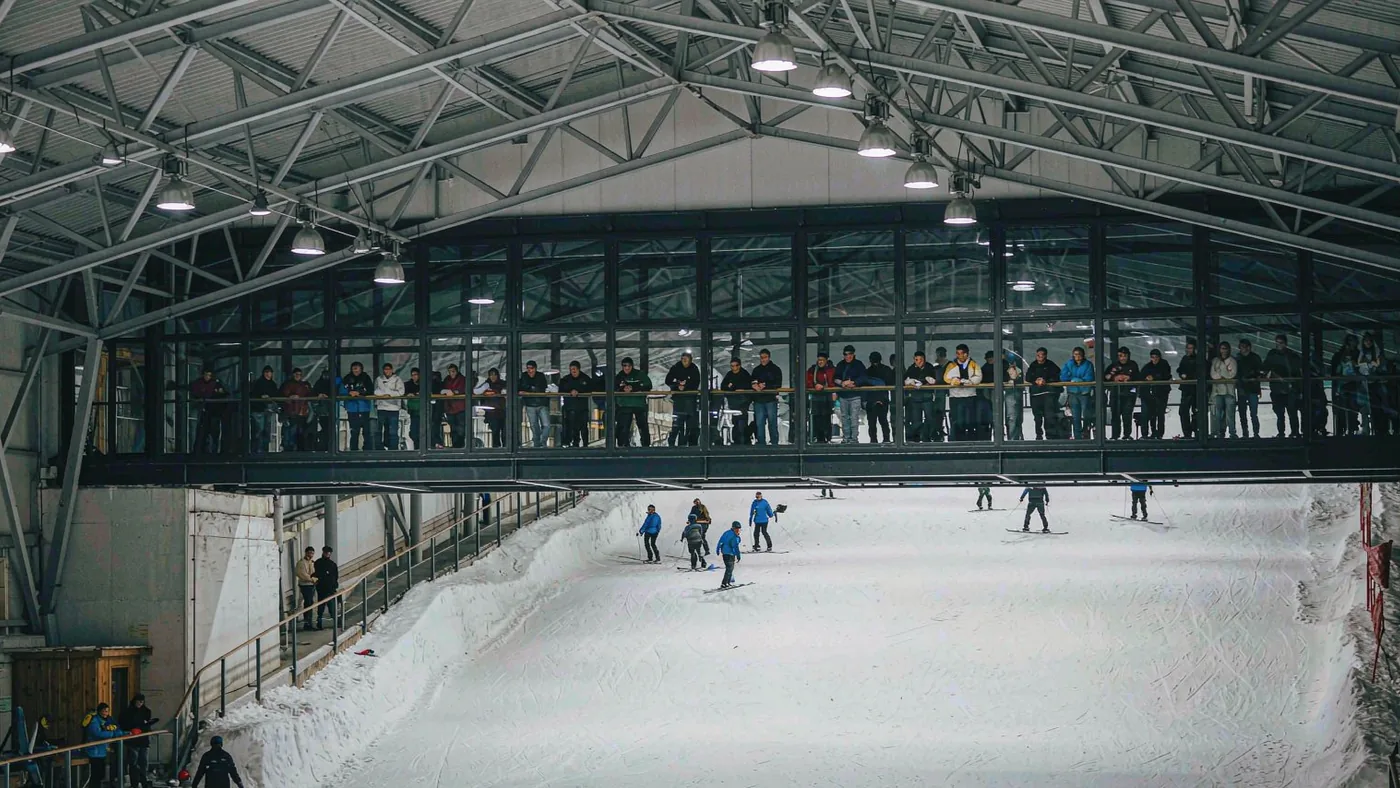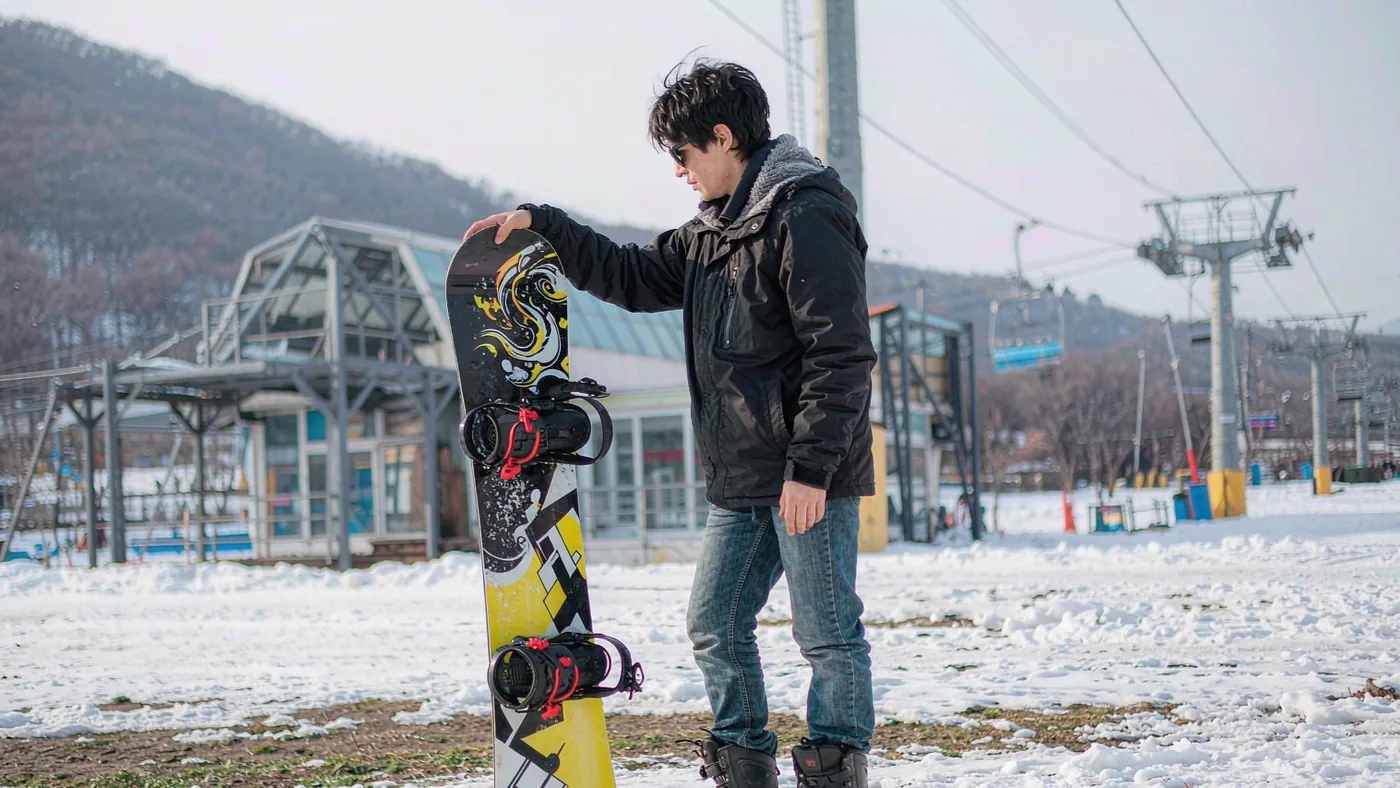
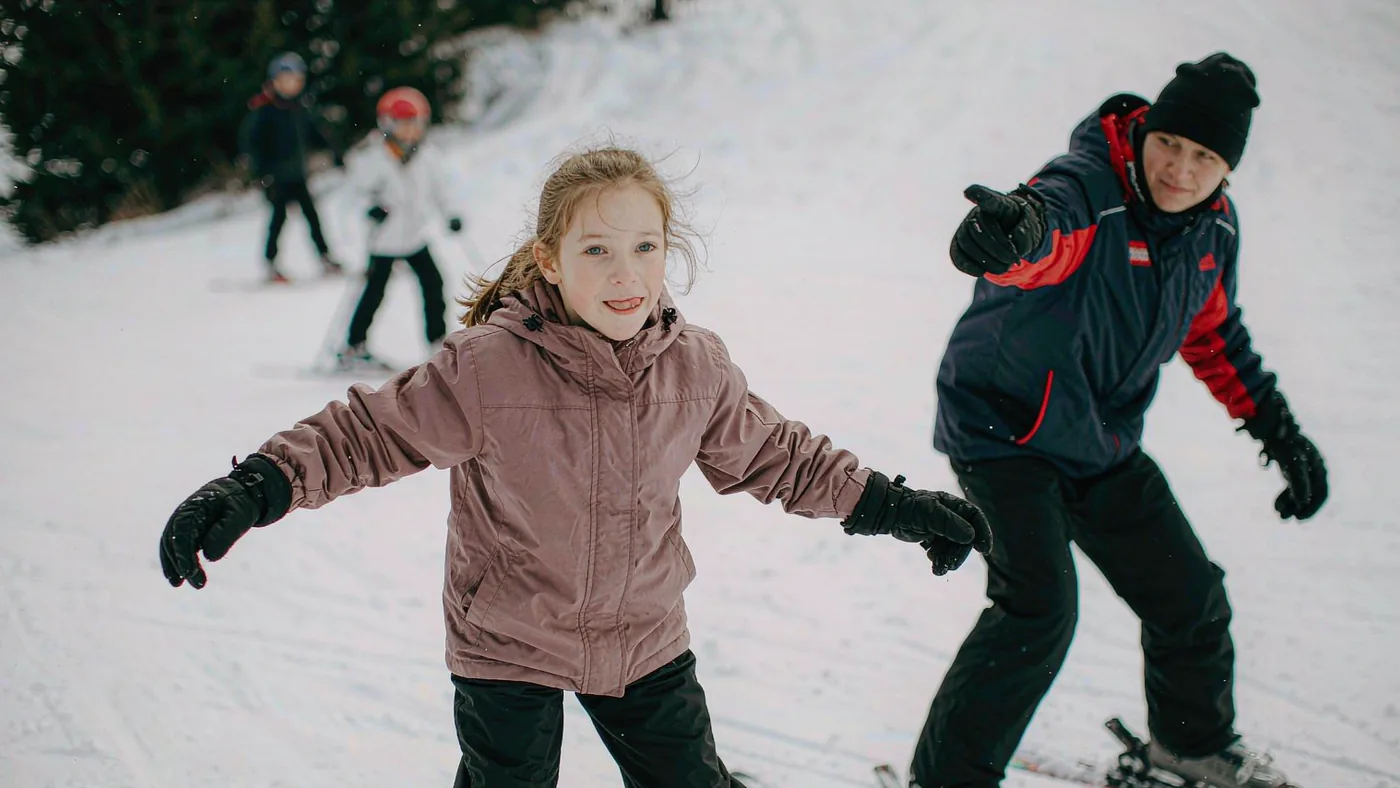
It is the Wednesday of a beginner week in Alpe d'Huez, the nursery slope has been scraped down to something close to ice by lunchtime, and you have just caught your downhill edge for the fourth time in ten minutes. The board you hired on Monday is two sizes too long, nobody in the hire shop asked how much you weigh, and you are starting to wonder whether this sport is for you at all.
Most people who quit snowboarding quit in that exact moment, and it is almost never their fault. A board that is too long, too stiff, or simply wrong for the conditions will punish every small mistake while you are still working out what an edge even is.
That is what a beginner board has to solve. It is not about graphics, and it is only partly about brand. It is about whether the board lets you get a detail wrong without throwing you onto your back, and whether it still does something sensible when the slope steepens on Thursday afternoon.
There is a trade-off at the heart of this category worth understanding before you spend anything. The qualities that make a board easy to learn on — a soft flex and loose, lifted contact points — are the same qualities that make it feel vague once you can link turns at speed. A beginner deck buys you confidence in week one and asks for some of it back in season two.
What actually makes a beginner board work
A soft flex. If you cannot bend the board, you cannot turn it. A soft or medium-soft flex lets a lighter rider push the deck into a shape at the speeds beginners actually ride at. Stiff boards reward people who already know how to load them, which is not yet you.
Lifted contact points in the tip and tail. This is the single biggest confidence feature on any beginner deck. Rockered or raised tips hold the upstream edge off the snow before it has a chance to hook up and slam you down. You will still fall, but you will fall far less often and with far less violence.
A length driven by weight, not height. Ignore the board-to-your-chin advice entirely. A 60kg rider on a 158cm deck will struggle to bend it, and a 95kg rider on a 150cm deck will fold it flat. Every manufacturer publishes a weight range for each length — use that and treat height as a rough sanity check.
One thing that gets overlooked: boots and bindings matter more than the board in your first season. If the budget is tight, spend it on boots that genuinely fit and a binding you can close with cold hands, then take the cheapest sensible board here.
The picks
All three of these are built around the same idea: make the first twenty days on snow as easy as possible without making the board useless by day twenty-one.
The friendliest shape here to learn on. Flat between the feet with rockered tips, so it will not catch an edge while you are still working out which way is up.
Best for
- Absolute beginners in their first season
- Occasional riders who want an easy board
Worth skipping if
- Riders who already carve confidently
- Anyone wanting a board to grow into for years
- Profile
- Flat with rockered tips
- Shape
- Directional
- Flex bias
- Soft
- Intended terrain
- Beginner all-mountain
Strengths
- Very hard to catch an edge
- Comfortable for a first week
- Encourages mileage, which is what beginners need
Trade-offs
- Runs out of stability once you pick up speed
- Most riders outgrow it within a season or two
Specifications reflect published manufacturer information, last checked 2026-09-28. We have not laboratory-tested this product; the assessment above is editorial, based on the published design and the rider profile it targets. How we review gear.
One of the few genuinely budget decks that does not feel disposable. Good enough to keep riding after your first season ends.
Best for
- Beginners who want something to grow into
- Riders adding a second, cheaper board to a quiver
Worth skipping if
- Aggressive riders
- Anyone wanting meaningful float in powder
- Profile
- Hybrid camber
- Shape
- Directional twin
- Flex bias
- Soft to medium
- Intended terrain
- All-mountain
Strengths
- Punches well above its price
- Versatile enough to keep after the first season
- Straightforward to tune and repair
Trade-offs
- Soft flex gets unsettled at speed
- Not a powder shape
Specifications reflect published manufacturer information, last checked 2026-09-28. We have not laboratory-tested this product; the assessment above is editorial, based on the published design and the rider profile it targets. How we review gear.
Cheapest board here that still behaves predictably. If you are only going to ride one week a year, buying this and spending the rest on boots is the sensible trade.
Best for
- First-time buyers on a strict budget
- Families kitting out several riders at once
Worth skipping if
- Riders who will ride more than a couple of weeks a season
- Anyone wanting to progress into freestyle
- Profile
- Rocker between feet, camber underfoot at contact points
- Shape
- Directional
- Flex bias
- Soft to medium
- Intended terrain
- Beginner all-mountain
Strengths
- Very low entry price
- Extruded base survives being left unwaxed
- Easy to resell at the end of a season
Trade-offs
- Slow base compared with sintered alternatives
- Limited ceiling as your riding improves
Specifications reflect published manufacturer information, last checked 2026-09-28. We have not laboratory-tested this product; the assessment above is editorial, based on the published design and the rider profile it targets. How we review gear.
How they compare
| Board | Profile | Flex | Forgives a mistake | Still useful after season one | Suits |
|---|---|---|---|---|---|
| Burton Ripcord | Flat with rockered tips | Soft | Excellent | Limited | Absolute beginners who want an easy first week |
| K2 Standard | Hybrid camber | Soft to medium | Very good | Good | Beginners who would rather buy once |
| Rossignol Evos | Rocker between feet, camber at contact points | Soft to medium | Very good | Limited | First-time buyers and families on a strict budget |
Published specifications, last checked 28 September 2026. Forgiving and useful are editorial judgements about the design, not laboratory measurements.
Hire first, or buy straight away?
If you have never stood on a snowboard, hire for the first week. You will spend most of it learning how to fall, and hire fleets at reputable European resorts are perfectly adequate for that job. Buying beforehand means committing to a length and a flex before you have any idea what you like.
Buying makes sense in three situations. You have already done a week and know you are coming back. You live near a dry slope or an indoor centre and will ride ten or more sessions a season. Or you are kitting out a family, and the hire bill for four people for a week is more than the cost of two cheap boards.
If that is you, the sensible version of buying early is to buy the board that is easiest to learn on and accept that you may replace it in two seasons. Both the Rossignol Evos and the Burton Ripcord hold their value reasonably well on the second-hand market, which softens that decision considerably.
Where beginners overspend
Two areas, and neither of them is the one people worry about. The first is the board itself. There is no benefit to a beginner in a premium core or a fast sintered base, because you will not be riding fast enough to feel either. Relative to a basic extruded base, a race-grade base is money you will never notice spending.
The second is graphics-driven buying: paying more for a board because it looks a certain way, then discovering it only comes in three lengths and none of them suit your weight. Check the size run before you fall for the artwork.
Put the money you save into boots that fit properly and a lesson or two. A private hour on day two will do more for your riding than any upgrade on this page.
Verdict
If you can link turns at moderate speed and hold an edge on a firm piste, none of these three is for you. The Ripcord and the Evos both run out of stability as you get quicker, and the K2 Standard's soft flex feels unsettled the first time you point it down a red at speed. Move up to an all-mountain board instead.
Frequently asked questions
How long should my first snowboard be?
Work from your weight, not your height. Check the manufacturer's weight range for each length and pick the one you fall inside. Beginners generally do better at the shorter end of their range, because a shorter board is easier to bend and turn at low speed. If you are between two sizes and unsure, go shorter.
Can I learn on an all-mountain board?
You can, but it will be harder work. Beginner decks have softer flex and looser tips, which makes catching an edge much less likely while you are still learning to control your edges at all. Once you can link turns confidently, stepping up to an all-mountain board becomes a genuine upgrade rather than a mistake.
Should I buy a second-hand beginner board?
Often yes, and it is the cheapest sensible route into the sport. Look for clean, unrusted edges, no lifting around the tip or tail, and a base without deep gouges. Avoid anything sold as vintage or retro — older boards tend to be stiff, heavy and the wrong shape for learning on.
Is a soft beginner board a waste of money?
Not if you buy it knowing its limits. A soft board gets you riding faster and falling less in your first twenty days, which is the whole point. The waste is buying a soft board expecting it to feel right when you are carving at speed two seasons later. Treat it as a stepping stone and budget accordingly.
Do I need a wide beginner board?
Only if your boots are large, roughly UK size 11 and above. Boots that overhang the edges will drag on every hard turn, and that is a real hazard rather than a cosmetic issue. If you have big feet, check that the board you want is offered in a wide version before you commit to it.
Where to go next
Start with our guide to choosing your first snowboard setup, then get the snowboard size chart out and check your length against your weight rather than your height.
Boots will change your riding more than the board will, so read our pick of snowboard boots for beginners, and if you are weighing up new against used, new vs used snowboard covers exactly what to inspect. When you are ready for the step up, move on to the best all-mountain snowboards round-up, and be honest with yourself about the frustrating parts with what to expect from your first season.