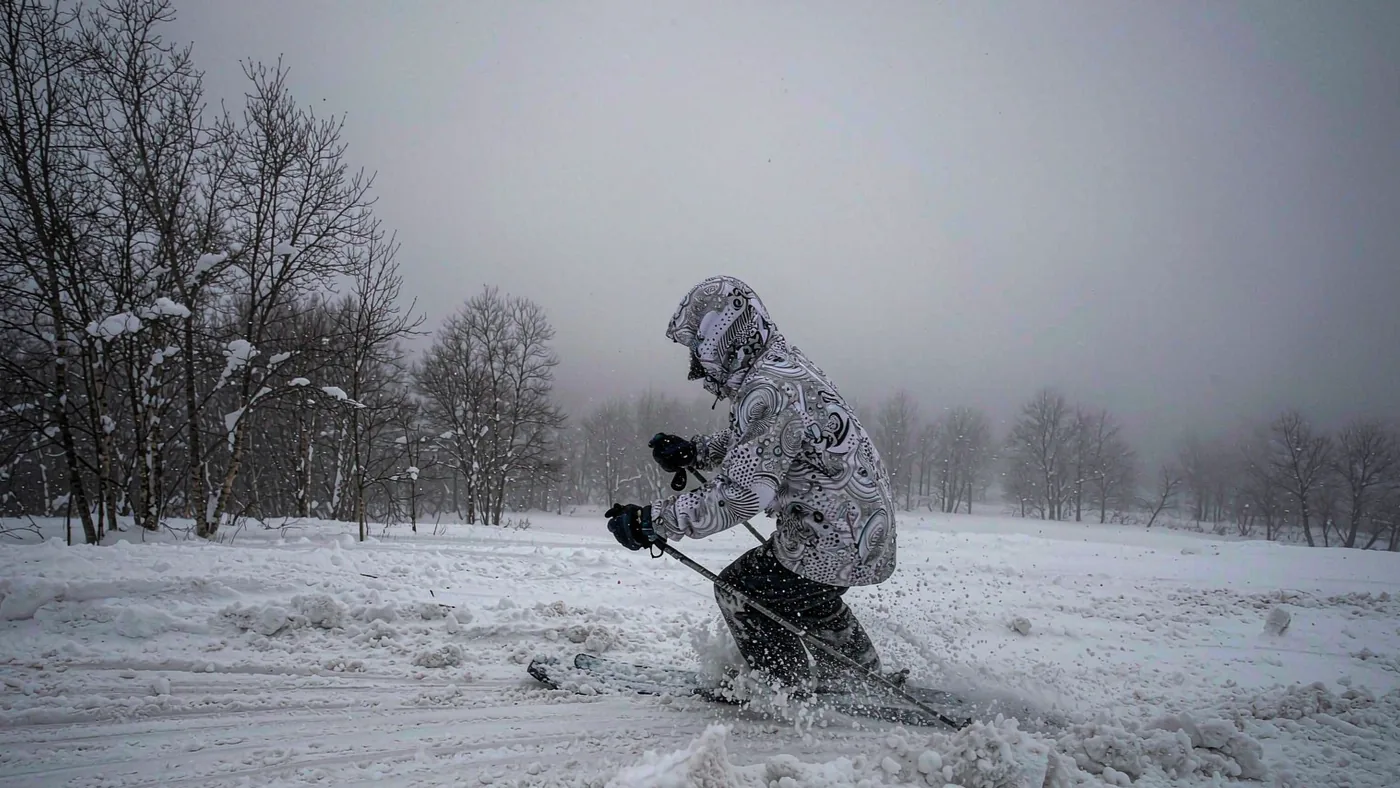
The Cairngorm access chair takes a long time to climb, and on a January afternoon with wet snow blowing in off the plateau it is comfortably the coldest part of the day. You are sitting still for the best part of ten minutes with your hands out in the wind, and by the top your gloves have gone from warm to cold to something worse than cold, which is wet and cold at the same time. The descent is fine. Your fingers hurt the whole way down.
Hands fail early, and once they do the day is effectively over. A rider with cold hands stops making good decisions, stops adjusting their stance, and starts riding defensively. It is worth spending properly here, because this is the one place in a snowboard kit where the difference between the cheap option and the good option is immediate and obvious rather than marginal.
There is also a cultural problem to get past. Riders in Britain wear gloves by default and think of mitts as something for children or for people who do not care how they look. That is backwards. On a genuinely cold day, a mitt is warmer than a glove of the same weight, full stop.
Why gloves fail in British conditions
Three things kill a glove in the UK and Alpine lift-line conditions, and only one of them is about warmth.
Water. Wet snow is the enemy. Any glove that gets saturated loses most of its insulating value, because the insulation depends on trapped air, and water fills the gaps. A waterproof insert is the difference between a glove that works for three hours and one that works for one.
Sweat. Hands sweat inside a glove, and on a glove with no breathability that moisture stays there and soaks the liner. Then the hand cools on the lift, and the moisture does the same job as rain. This is why a removable liner matters so much: you can dry the liner properly overnight rather than leaving a wet glove in a bag.
Neglect. Leather dries out and cracks. A durable water repellent finish wears off. A glove that has not been waxed in three seasons will wet out in twenty minutes. Most gloves that have "stopped working" have not failed, they have just never been maintained.
Gloves, mitts and the liner question
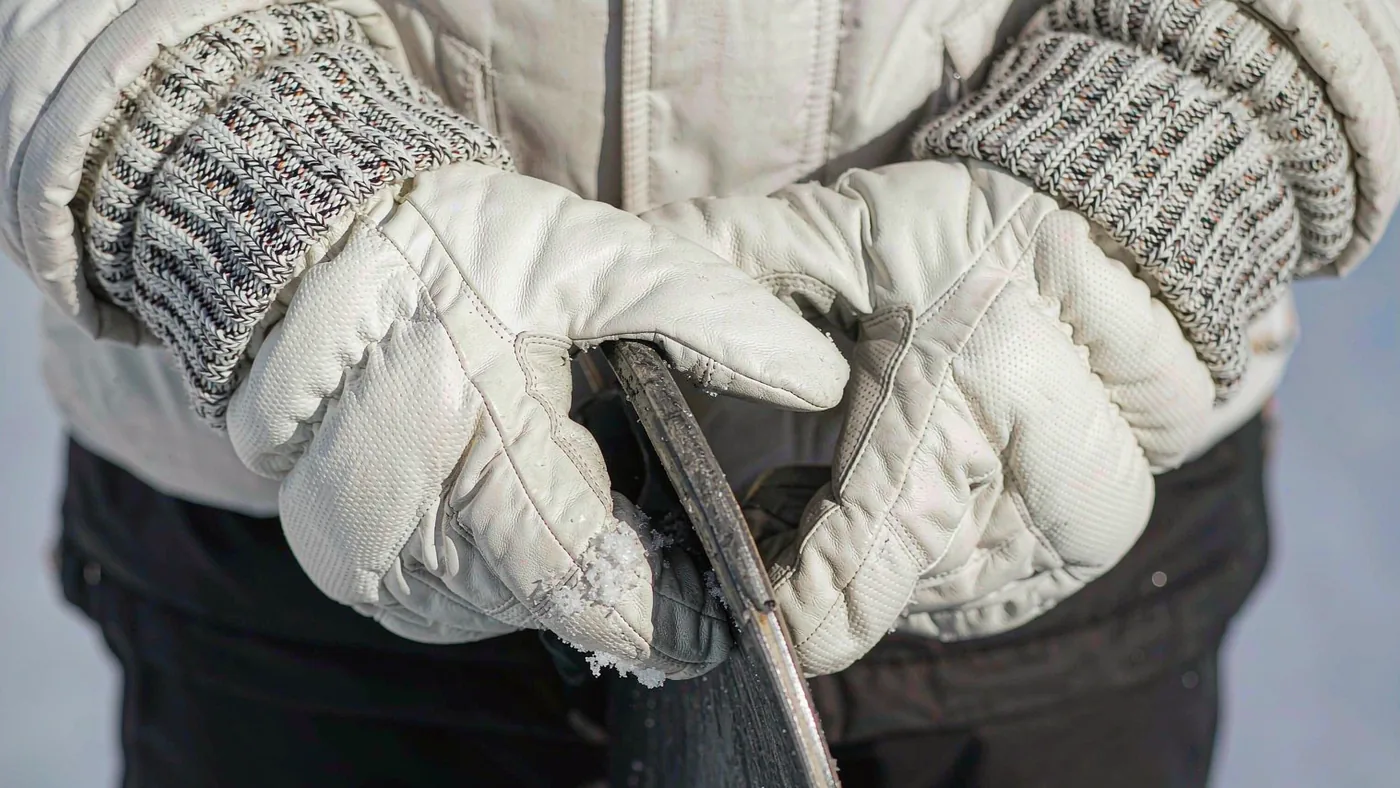
A mitt keeps your fingers together in one warm space, which means less surface area losing heat and more shared warmth between fingers. That is why a mitt is warmer than a glove of the same insulation. The trade-off is dexterity: doing up a binding ratchet or opening a pocket zip is harder in a mitt, and you will take them off more often.
The compromise most cold-handed riders eventually settle on is a light liner glove under a mitt. The liner keeps you functional when you take the mitt off to fiddle with a strap, and it adds a layer of warmth while you ride. The mitt goes back on for the lift and the descent.
If you ride a lot and get cold hands, buy a glove or mitt with a removable liner. It is the single feature that determines how many seasons you get, because you can replace the liner rather than the whole glove, and you can dry it separately from the shell, which stops the damp-feet problem happening to your hands.
The picks
The reference point for warm, durable snowboard gloves. Pricey, but they last for years and you can replace the liner rather than the whole glove.
Best for
- Riders who get cold hands easily
- Anyone riding in Scotland, Scandinavia or the Alps in January
Worth skipping if
- Riders who run hot and want maximum dexterity
- Budget buyers
- Construction
- Leather palm, removable liner
- Warmth
- High
- Intended use
- Resort and backcountry
Strengths
- Very warm without feeling like a mitt
- Replaceable liners extend the life significantly
- Leather palm copes with carrying boards
Trade-offs
- Needs regular waxing to stay water-repellent
- Expensive up front
Specifications reflect published manufacturer information, last checked 2026-09-28. We have not laboratory-tested this product; the assessment above is editorial, based on the published design and the rider profile it targets. How we review gear.
A serious cold-weather glove with a removable liner. Overkill for mild days, exactly right in January.
Best for
- Cold hands
- January riding in the Alps and Scandinavia
Worth skipping if
- Spring riding
- Riders who run hot
- Construction
- Leather shell, removable liner
- Warmth
- High
- Intended use
- Resort and backcountry
Strengths
- Very warm
- Replaceable liner extends life
Trade-offs
- Bulky for fine tasks
- Expensive
Specifications reflect published manufacturer information, last checked 2026-09-28. We have not laboratory-tested this product; the assessment above is editorial, based on the published design and the rider profile it targets. How we review gear.
A durable leather glove that sits between cheap knit gloves and premium expedition mitts.
Best for
- Most resort riders
- Riders who want leather durability
Worth skipping if
- Extreme cold
- Riders needing maximum dexterity
- Construction
- Leather palm, synthetic back
- Warmth
- Medium
- Intended use
- Resort
Strengths
- Durable palm for carrying boards
- Reasonable warmth for the price
Trade-offs
- Not a deep-winter glove
- Needs reproofing over seasons
Specifications reflect published manufacturer information, last checked 2026-09-28. We have not laboratory-tested this product; the assessment above is editorial, based on the published design and the rider profile it targets. How we review gear.
How they compare
| Glove | Construction | Warmth | Palm | Best suited to | Main trade-off |
|---|---|---|---|---|---|
| Hestra Army Leather Heli Ski | Leather palm with removable liner | High | Full leather | Riders who get cold hands easily, Scotland and Scandinavia | Needs regular waxing, and it costs a lot up front |
| Black Diamond Guide | Leather shell with removable liner | High | Full leather | Deep January cold in the Alps and Nordic resorts | Bulky for fine tasks, and expensive |
| Dakine Leather Titan | Leather palm, synthetic back | Medium | Leather | Most resort riders wanting durability on a budget | Not a deep-winter glove, and it needs reproofing |
Construction and warmth descriptions are editorial judgements based on published manufacturer specifications, last checked 28 September 2026.
Keeping them working
A glove that costs three times as much will not last three times as long unless you look after it, and looking after it takes about ten minutes a season.
Leather needs waxing. A leather palm that has gone pale and stiff will wet out almost instantly, and a wax treatment restores both the water repellency and the suppleness. Do it before the season starts rather than after the first wet day.
Liners need drying, separately from the shell, every single night. Pull the liner out, turn the shell inside out, and leave both somewhere warm and airy. A glove dried still assembled keeps the moisture in the insulation, which is why the second day of a trip is worse than the first.
Cuffs should go over your jacket sleeve, not under it. Water runs down your sleeve and straight into the glove if the cuff is tucked underneath, and that is the most common reason a rider's gloves fail while their friend's are fine. If your jacket has an inner cuff with a thumb loop, use it.
Finally, buy them at the right time of year. Leather gloves and mitts are discounted heavily once the season ends, so check current price in spring rather than in December, when you will be paying full rate for whatever is left in your size.
Verdict
If your hands go numb on a Scottish lift, the Hestra Army Leather Heli Ski is the glove that fixes it, and the replaceable liner means it will outlast three cheaper pairs. If you ride deep January cold in the Alps and want a single pair that covers it, the Black Diamond Guide is the pick, accepting that it is bulky. Do not buy the Hestra or the Black Diamond if you ride mild spring conditions or your hands run warm — they will be unbearable by eleven o'clock, and the cheaper Dakine Leather Titan is the more sensible purchase in those conditions.
Frequently asked questions
Are mitts warmer than gloves?
Yes, for the same amount of insulation. Keeping your fingers together in one space reduces the surface area losing heat and lets them warm each other. The cost is dexterity, which is why many cold-handed riders wear a thin liner glove underneath so they can still operate a ratchet without exposing bare skin.
Why do my gloves get wet inside when it is not raining?
That is almost certainly sweat. Hands produce a surprising amount of moisture, and if the glove cannot breathe it stays inside and soaks the liner, then cools on the lift. A removable liner you can dry overnight is the practical fix, and a breathable shell helps as well.
How do I stop water running into my gloves?
Wear the cuff over your jacket sleeve rather than under it, and use the inner jacket cuff with a thumb loop if there is one. Water follows the sleeve down and pools at the glove if the cuff is tucked inside. This single habit fixes more wet-glove complaints than any product upgrade.
How often should gloves be waxed or reproofed?
Treat leather gloves before the season and again mid-season if you ride regularly. You will know it is due when the leather looks pale and stops beading water. Waxing takes a few minutes and is the main reason one pair lasts five seasons while another lasts one.
Can I use snowboard gloves for skiing?
Yes. Gloves and mitts are not sport-specific, and a good snowboard glove works well for skiing, hill walking or winter commuting. The one thing to check is whether the cuff fits over the sleeve of whatever you are wearing, since that is where most of the water gets in.
Where to go next
Cold hands are usually a layering problem as much as a glove problem, so start with the best base layers for snowboarding. The best snowboard jackets for UK winters covers the other half of the wet-weather problem, and the goggles for flat light guide deals with the visibility side of the same conditions.
If you are pulling a kit together for a first season, the first setup guide and the pre-trip checklist put everything in order. More outerwear advice sits in outerwear.