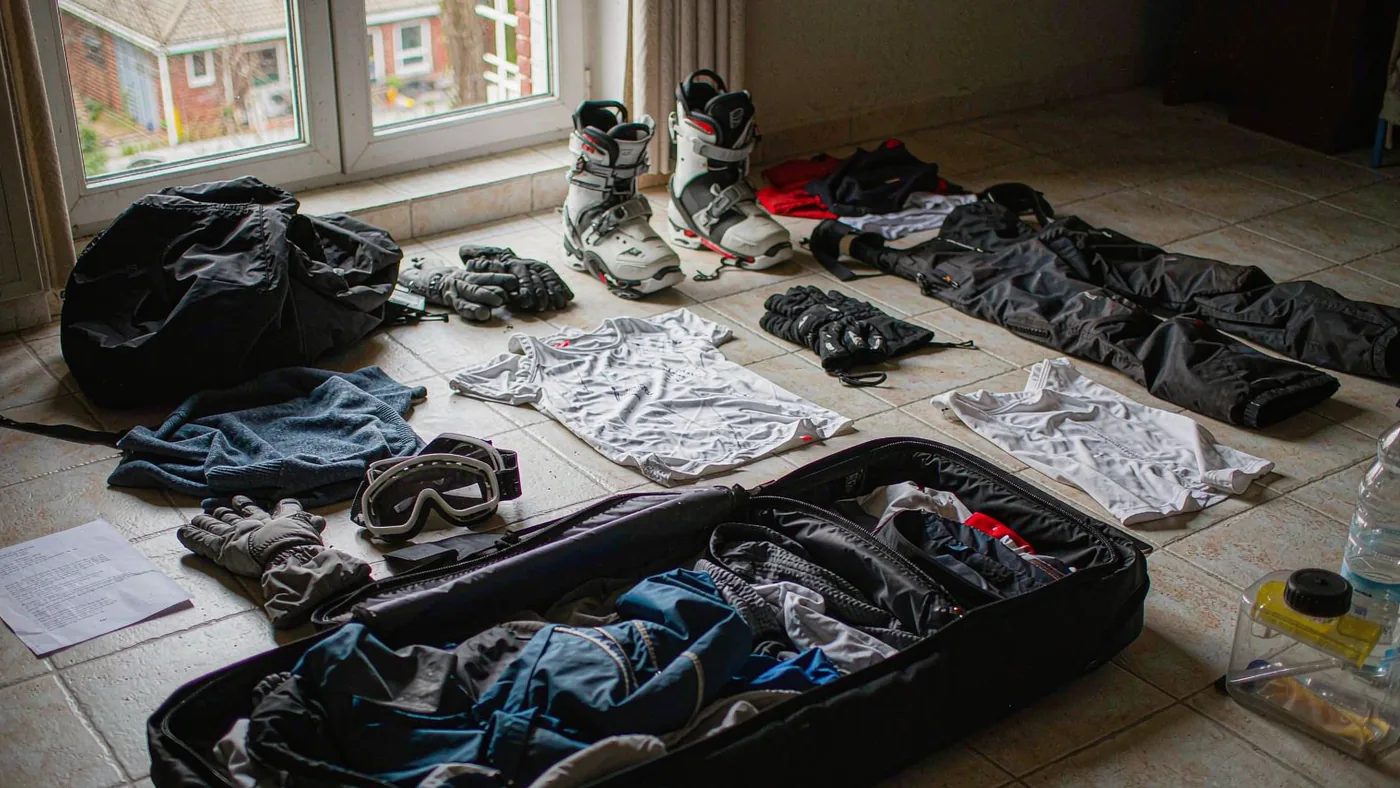
It is 9:40 on a Friday evening in a flat in Bristol. The board bag is open on the kitchen floor, the taxi is booked for 4:15am, and you have just discovered that one of your binding screws is missing. The nearest shop that stocks spares shut three hours ago, and the flight leaves before anything opens. The trip is still going to happen. But tomorrow will start with twenty minutes of improvisation in a hire shop rather than a coffee.
Almost everything that goes wrong on a snowboard trip is like this: small, boring, entirely preventable, and expensive in time rather than money. The fix is not a better list. It is doing the right things at the right distance from the trip.
Two to four weeks out
This is the window where you can still fix things properly rather than patching them.
Check that your boots, bindings and board have all been out of storage and inspected since last spring. Bindings left mounted all summer with the screws at full torque are worth loosening and remounting, and any strap that has gone stiff or cracked in the cold should be replaced now rather than discovered on a chairlift. Boot liners that were damp when you put them away in April will smell and may have gone mouldy.
Book any lessons you want, particularly for children. Half-term weeks across the European resorts fill up weeks in advance, and private instructors are the first thing to go.
Check your insurance covers snowboarding specifically, including off-piste if that is your plan, and read the section on helmet use and on alcohol, because those are the two clauses people discover at the worst possible moment.
Check your passport expiry date against the rules for your destination, and check your travel documents for any children in the party. Confirm your board bag allowance in writing with the airline, because "sports equipment" is treated differently by different carriers.
The week before
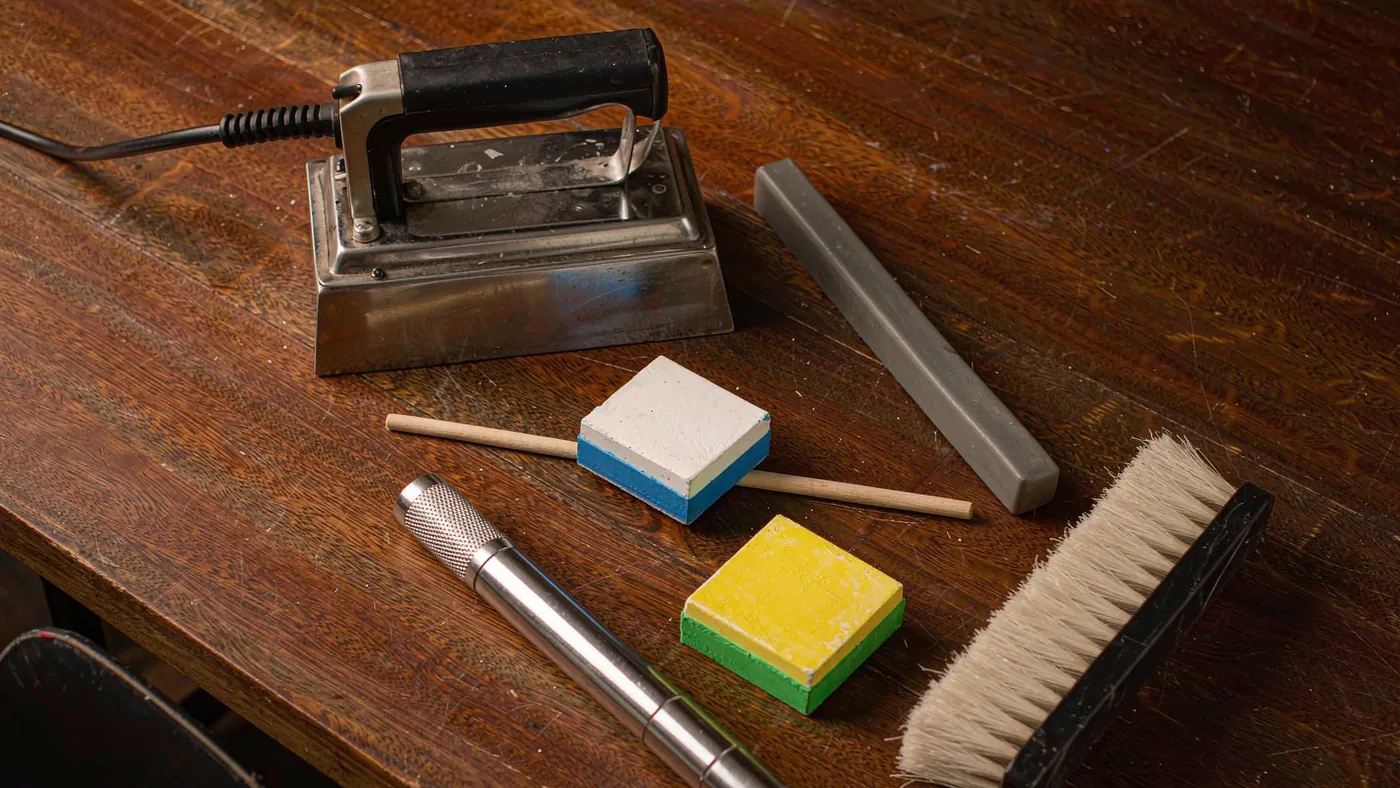
Wax and service the board. If you are doing it yourself, our guide to waxing and tuning at home walks through the process. If you are paying a shop, book it now — the week before half-term is the busiest week of the year in every workshop in the country.
Do a full dry run of packing, including getting the bag on the scales. Board bags are deceptively heavy once boots, bindings and a helmet are in them, and the excess baggage charge at a check-in desk is one of the worst-value purchases in travel. If you are near the limit, move boots and helmet into your cabin bag.
| Where to pack it | Item | Why it goes there |
|---|---|---|
| Board bag | Board, bindings, one set of outerwear, spare gloves | Bulk items; keep the bag as light as it can be |
| Board bag | Boots | Only if the weight allows — otherwise carry them |
| Cabin bag | Boots | Bulkiest heavy item; hardest to replace if the bag is delayed |
| Cabin bag | Helmet and goggles | Fragile and expensive, and useful the moment you arrive |
| Cabin bag | Base layers, one mid-layer, gloves | Lets you ride on day one if the board bag is late |
| Cabin bag | Screwdriver, spare screws, spare binding parts | Small, cheap and worth their weight many times over |
| Cabin bag | Sunscreen, lip balm, painkillers | Snow reflects an enormous amount of UV, even under cloud |
| Person | Passport, insurance documents, lift pass | Non-negotiable |
Editorial packing guidance for a one or two week European trip. Check your specific airline's rules for sports equipment, as allowances vary.
Two days before
Ride your boots indoors if you can, even for twenty minutes. Boots that have been in a cupboard since March will be stiff, and it is far better to find the pressure point in your living room than at the top of a red run.
Charge everything — headphone batteries, camera batteries, the power bank. Check the binding straps and ratchets move freely with gloves on. Check your goggles' lens is clean and that the spare lens, if you have one, is in the bag.
Pack your base layers and mid-layers in the order you will wear them, so that on the first morning you are not hunting through a suitcase in a dark apartment.
The night before
Do the screw check. Every binding screw on both bindings, at the correct torque, with a spare set in the cabin bag. This is the single most common failure and the one that ruins a first morning.
Check the bag weight again on the actual scale, with everything in it. Fill your water bottle. Charge your phone. Lay out the clothes you will travel in, including the layers you will want when you land into minus twelve.
Set two alarms. Not because you will sleep through one, but because a 4am alarm is exactly when people turn one off and go back to sleep.
First morning in resort
Do not go straight up the mountain. Spend fifteen minutes at the bottom. Put your boots on properly, click in, and check the setup feels right before you commit to a lift. If the boots feel wrong, or the bindings are set at angles you are not used to, fix it now while you are still next to your accommodation.
Check the avalanche and weather forecast even if you are only riding pistes, because it tells you how the day will develop and whether the lifts are likely to close. Check the lift pass works. Then go up.
If you are hiring all your equipment in resort, ignore the packing list and concentrate on the documents, the lessons and the layers. Riders who hire boots and a board have far fewer ways to get it wrong, and the only genuinely irreplaceable things are their own boots, their goggles and their paperwork.
Frequently asked questions
When should I service my board before a trip?
A week before you fly, or two weeks if you are using a shop in a busy period. Wax needs a day or two to settle into the base, and edges that have been freshly filed should be detuned slightly at the contact points if you are riding park. Doing it the night before a flight leaves no room to fix a mistake.
Should I take my own boots in hand luggage?
Yes, if your airline allows it. Boots are the bulkiest item that cannot be replaced with a comfortable equivalent, and hire boots will almost never fit as well as your own. Helmet and goggles belong in the cabin bag for the same reason.
How much does a board bag weigh when packed?
A single board, bindings and a set of outerwear will usually take the bag to somewhere near the typical sports equipment allowance, and adding boots and a helmet can push it over. Weigh the packed bag at home and move heavy items into your cabin bag if you are close to the limit.
What should I do on the first morning of a trip?
Put your boots on properly before you leave your accommodation, ride the first run slowly, and stop after two or three runs to check every binding screw. New setups, cold plastic and unfamiliar snow combine to make the first morning the most likely time for something to come loose.
Where to go next
If you have not ridden your board since last spring, start with snowboard care, waxing and edges or the step-by-step waxing and tuning at home guide. For the flight itself, read how to fly with a snowboard.
Beyond that, the snowboard size chart and binding sizes explained answer the kit questions that come up as you pack. You can also browse the rest of the advice section or the buying guides.