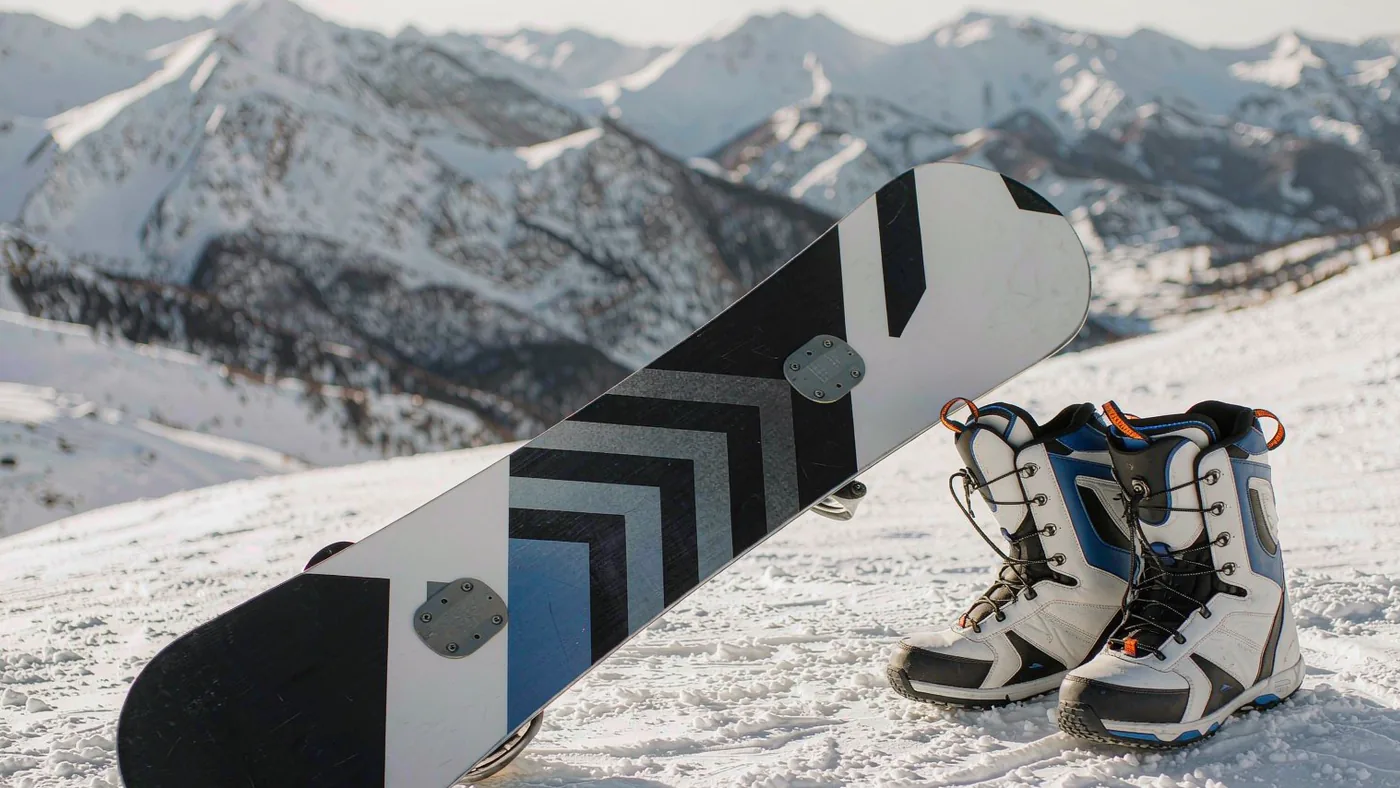
You are standing in a shop in Val Thorens on the Saturday evening before your week starts, looking at one board that costs roughly what you spent on your last three hire weeks combined. You ride a mix of blues and reds, you can carve a clean turn when the snow is decent, and you have finally decided to stop paying for hire boards that have been beaten flat by a hundred other people. The assistant has put the Burton Custom Camber in your hands and told you it is what everyone buys.
He is not wrong that everyone buys it. The Custom has been the benchmark all-mountain deck for so long that it is the board most other all-mountain boards are measured against, and the reason is not marketing. It is the profile: traditional camber, slightly set back, in a directional twin shape. That combination does a specific job extremely well, and this review is about whether that job is the one you need done.
Everything below is based on the published specification and the design intent rather than on measuring boards on a hill. Where I describe how it will feel, that is an editorial judgement about what the geometry does, not a test result.
Specifications
| Specification | Detail |
|---|---|
| Profile | Traditional camber underfoot |
| Shape | Directional twin with a small setback |
| Flex bias | Medium-stiff |
| Intended terrain | All-mountain |
| Base | Sintered, holds wax well over a trip |
| Size run | Broad, including wider waist options |
Published specifications, last checked 28 September 2026. Confirm current specification and sizing on the brand's own product pages before buying.
What the design does well
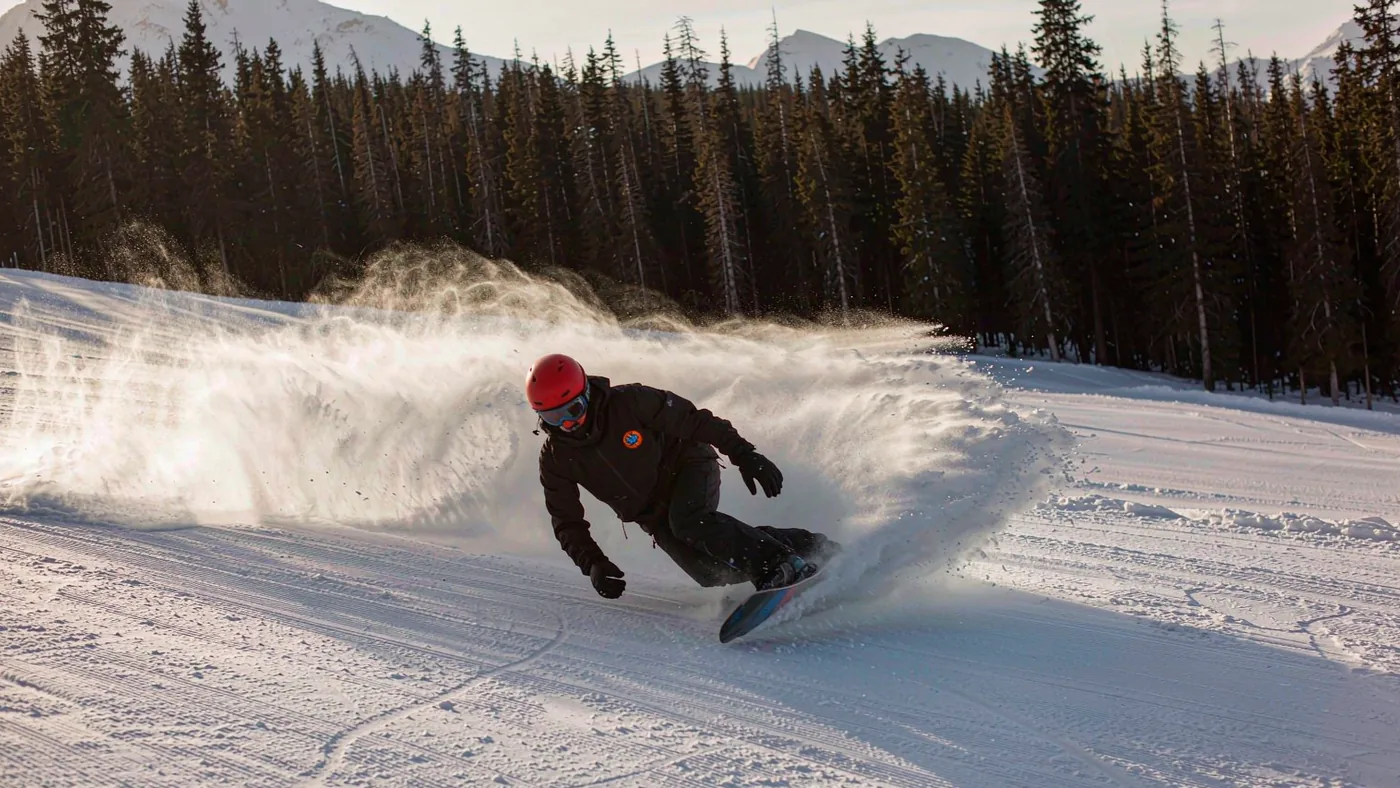
Edge hold on firm snow. This is the whole point of traditional camber, and it is why the Custom remains the default recommendation for European riding. Camber presses the contact points into the snow along the whole running length, which means the effective edge is working for you rather than just the tip and tail. On a scraped, refrozen piste at 8:45am, that is the difference between a confident first run and a sketchy one.
Predictability. A cambered directional twin behaves the way most riders expect a snowboard to behave. It comes round predictably, it holds a line under pressure, and it does not do anything surprising when you load it. For an improving rider moving up from a soft beginner deck, that predictability is worth more than any single performance figure.
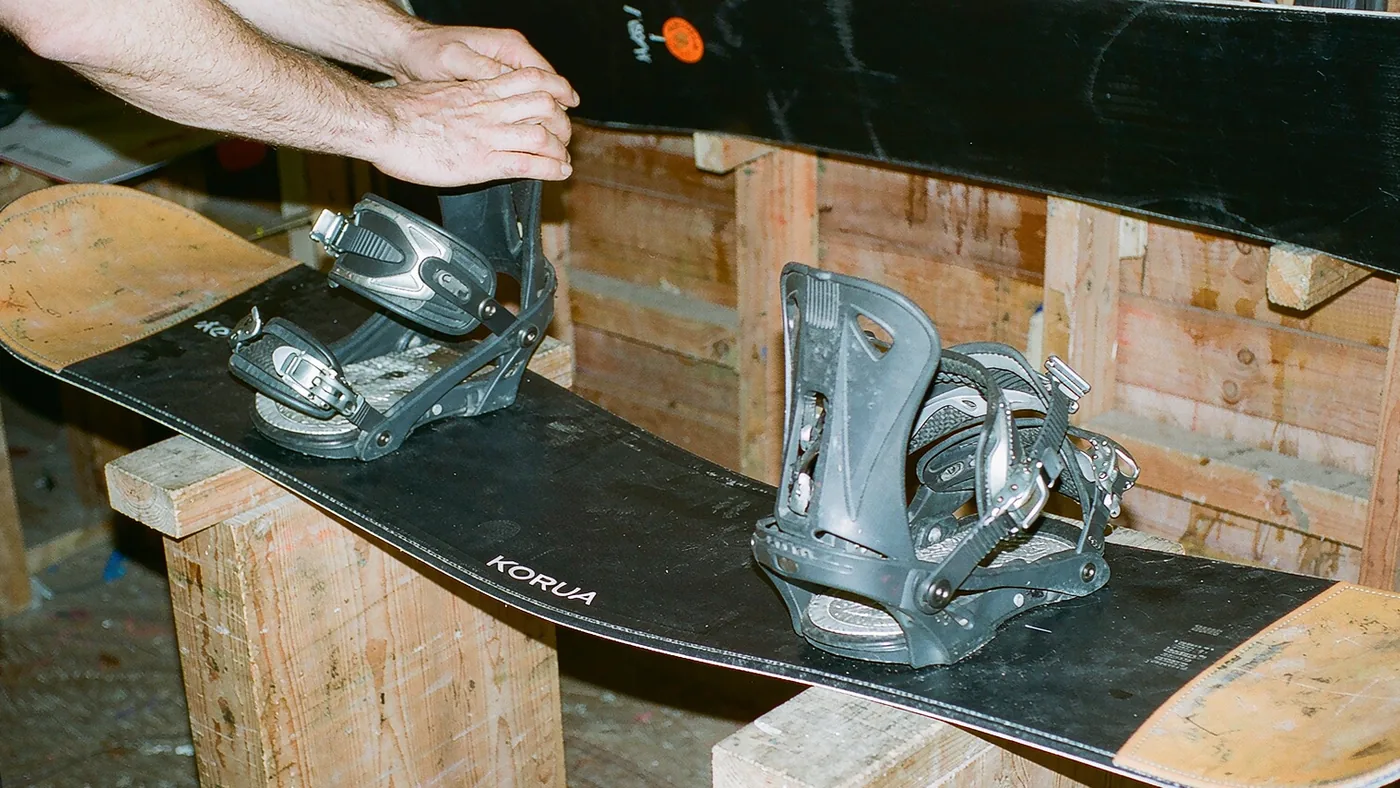
A sintered base that survives a trip. A sintered base takes wax properly and holds it, which matters across a seven-day week when you are not going to be waxing mid-trip. It is also faster across flat traverses and cat tracks, which is exactly where a budget base humiliates you.
A size run that includes wide versions. For riders with bigger boots, this is not a footnote. A wide waist that lets your boots sit properly on the board is worth more than any other specification on this page.
Trade-offs you should know about
Every board in this category gives something up, and the Custom gives up two things.
The first is performance in powder. Camber wants to arc into the snow rather than plane across it, so in deep snow the board has to be actively managed. You sit back, you keep the speed up, and you work for your float. Riders coming off a rockered or hybrid deck will notice immediately that a deep day feels like more effort. It is not that the Custom cannot handle powder — it is that it has not been designed primarily for it, and on a genuinely deep day you will feel that.
The second is that camber rewards good technique and exposes the lack of it. On a soft beginner deck, a mistimed weight shift is forgiving. On a medium-stiff cambered board, it is not. If you are still learning to hold an edge consistently, this board will tell you about it in a way that a softer deck conceals.
Then there is the price. The Custom sits at the premium end of the all-mountain market, and a large part of what you are paying for is weight and base speed. Both are real advantages, but both matter most to riders logging a lot of days. If you ride two weeks a year, you are buying engineering you will only half use.
Who it is not for
It is not for park riders. Anyone whose day is built around rails, boxes and butters wants a soft, pressable twin, and a medium-stiff cambered directional board is the opposite of that. It will feel like hard work in the park and it will not butter without a fight.
It is not for beginners. If you cannot yet link turns confidently on a groomed piste, the Custom will be unforgiving of exactly the mistakes you are still making. Learn on something softer, then come back to this category once you can hold an edge.
It is not for riders who spend most of their season chasing powder. If the days you care about most are the deep ones, a rocker-dominant or volume-shifted shape will serve you better for the same money. The Custom is a piste board that copes elsewhere, not a powder board that copes on piste.
And it is not for anyone on a tight budget, for a simple reason: the money saved by choosing a mid-range all-mountain deck instead is better spent on boots that fit. Boots change how a board feels. A lighter core does not, at least not at beginner and intermediate speeds.
The board most other all-mountain decks are judged against. Predictable, grippy on hardpack, and it stays composed when you push it harder than you meant to.
Best for
- Riders who want one board for the whole mountain
- Improvers moving up from a beginner deck
- Anyone riding a lot of European hardpack
Worth skipping if
- Park riders who want a soft, pressable twin
- Riders on a tight budget
- Profile
- Traditional camber
- Shape
- Directional twin
- Flex bias
- Medium-stiff
- Intended terrain
- All-mountain
Strengths
- Very predictable edge-to-edge behaviour
- Holds an edge on scraped European pistes
- Wide size run including wider waist options
Trade-offs
- Camber profile punishes lazy technique in powder
- Priced at the premium end for what it is
Specifications reflect published manufacturer information, last checked 2026-09-28. We have not laboratory-tested this product; the assessment above is editorial, based on the published design and the rider profile it targets. How we review gear.
Verdict
The Custom is the safer buy for a confident rider who spends most of the week on groomers and wants one board that behaves. But if you get a lot of deep days, or if you are still learning to link turns, this is not your board — a softer deck or a rocker-dominant shape will give you more enjoyment for less money. Buy it because you ride pistes well, not because it is the famous one.
Frequently asked questions
Is the Burton Custom Camber good for intermediate riders?
It suits a confident intermediate who can already carve and hold an edge on firm snow. If you are still working on linking turns, it will feel demanding and will punish small errors. The step up is worth making once your technique is solid, but not before.
How does traditional camber behave in powder?
It works, but it takes effort. Camber pushes the contact points into the snow rather than planing across it, so you have to sit back and keep your speed up to get float. Riders used to rockered or hybrid profiles will notice the difference immediately on a deep day.
Do I need the wide version of the Custom?
If your boots are around UK size 11 or larger, yes. Boot overhang on a standard waist means your toes and heels drag on hard turns, which costs you edge grip and is genuinely risky at speed. Check the actual waist measurement against your boot length rather than just trusting the word wide.
Is a sintered base worth paying for?
For a rider doing a week or two at a time, yes, mainly because it holds wax through a trip and stays quick on flat sections. For a rider on a tight budget, an extruded base is a reasonable trade — it needs more waxing but tolerates neglect far better and costs less to repair.
What should I buy with the Custom to get the most from it?
Boots that fit properly and a binding stiff enough to drive the board. A medium or medium-stiff all-mountain binding pairs sensibly with a medium-stiff deck; putting a very soft park binding on it wastes most of what you paid for. Get the boots fitted first and build outwards from there.
Where to go next
If you are weighing the Custom against the other big all-mountain names, our best all-mountain snowboards round-up and the CAPiTA Mercury review both cover the same ground from a different angle. The camber profiles guide explains why profile matters more than any other specification on this page.
Before you buy, check the length against your weight rather than your height with the snowboard size chart, and pair the board properly with our best snowboard bindings round-up. Browse the rest of the boards archive for anything else on your shortlist.