The moment most people decide to buy a helmet is the morning after a friend catches an edge on the icy run under the chairlift and spends the rest of the week in the apartment with a headache they cannot shake. It happens on the third or fourth day, when everyone is tired and riding faster than their legs can support, on a slope that has been scraped down to blue ice by a thousand other people doing the same thing.
If that sounds familiar, the good news is that helmets have never been better value. The bad news is that the marketing on the side of the box is confusing, and the shop fitting takes five minutes when it should take twenty.
Rotational protection: what MIPS actually is
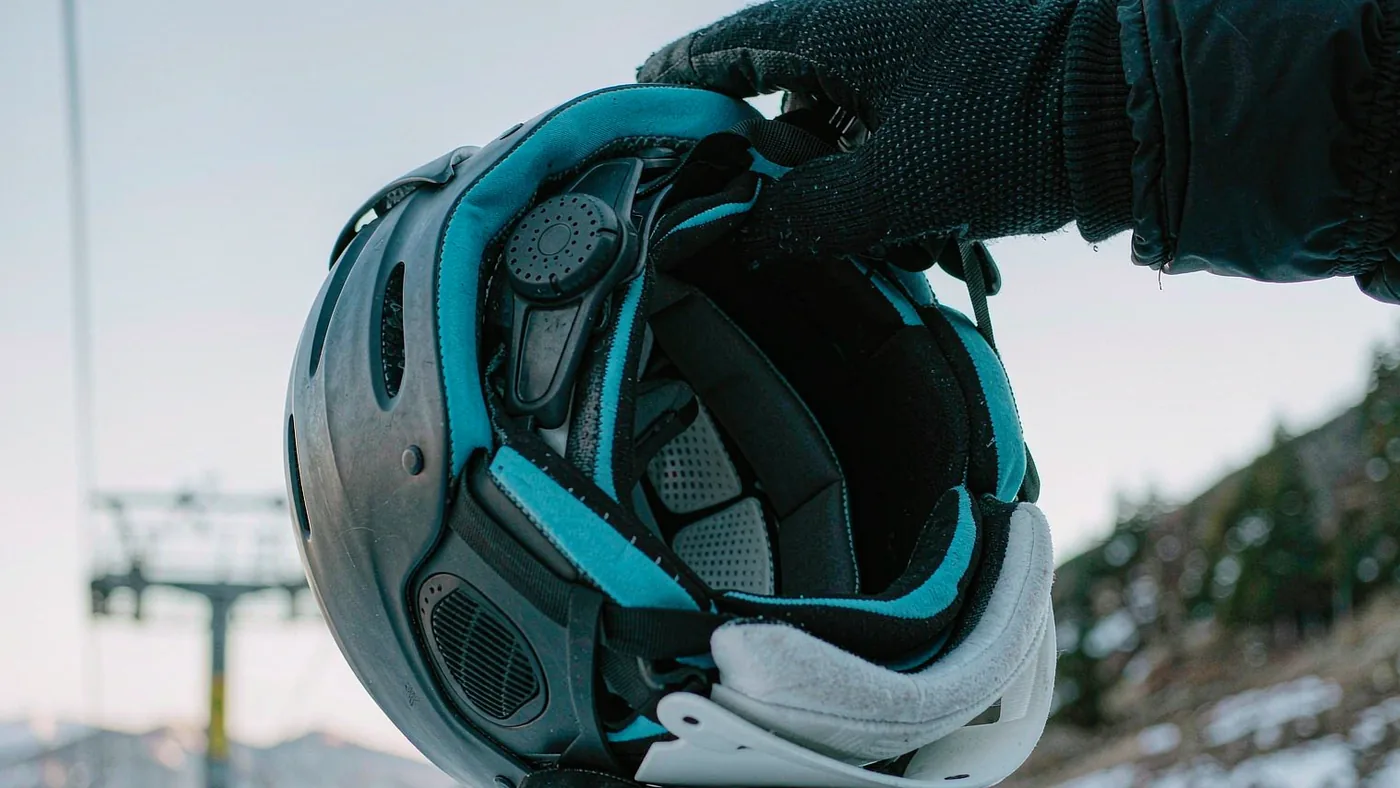
A helmet is a shell with a foam liner inside it. The shell spreads the load of an impact across a wider area. The foam crushes on impact and absorbs energy, which is why a helmet that has taken a hard hit is finished even if the outside looks perfect.
Rotational protection is a second, separate idea. When your head hits the snow at an angle, the impact tries to spin your brain inside your skull, and that rotational force is a common cause of concussion. Rotational systems — MIPS is the best-known, and there are several others — put a low-friction layer between your head and the liner so the helmet can slide a few millimetres on impact rather than gripping and twisting.
Does that mean you should refuse to buy a helmet without it? No. A well-fitted helmet with no rotational system is far better than a badly fitted helmet with one, and the difference between the best and worst rotational systems is not something a rider can feel. But the systems are now available at accessible prices, and on a hard, icy European piste where the impacts are firm and often slightly glancing, it is worth having.
Fit is the whole thing
Measure the circumference of your head about two centimetres above your eyebrows, then buy to that measurement rather than to the size on the hat you wear. Between sizes, take the smaller one, because helmet liners and pads pack down with use and a helmet that is comfortable in the shop will be loose by the end of the week.
The helmet should sit level, not tilted back off your forehead like a sun visor. The front edge should come down to roughly two fingers' width above your eyebrows, and the rear should cover the base of your skull without pressing on it. When you shake your head firmly, the helmet and your scalp should move together. If your scalp moves inside the helmet, it is too big or the dial is not tight enough.
Comfort matters more than people admit. Riders take a helmet off when it hurts, and a helmet in a backpack protects nobody.
Vents, and how much of the week you will spend warm
Venting is where helmets differ most in daily use, and it is usually the reason somebody with a perfectly good shell buys another one.
Fixed vents are holes that are always open. They are cheaper and lighter, and they are fine in midwinter. In spring, when you are working hard on a soft afternoon at 1,800 metres, they are not enough, and you end up carrying the helmet rather than wearing it.
Adjustable vents are sliders or vents you can close. On a cold January morning crossing an exposed ridge you close them; on a warm afternoon you open them. If you ride late season, or you overheat easily, this is the feature to prioritise.
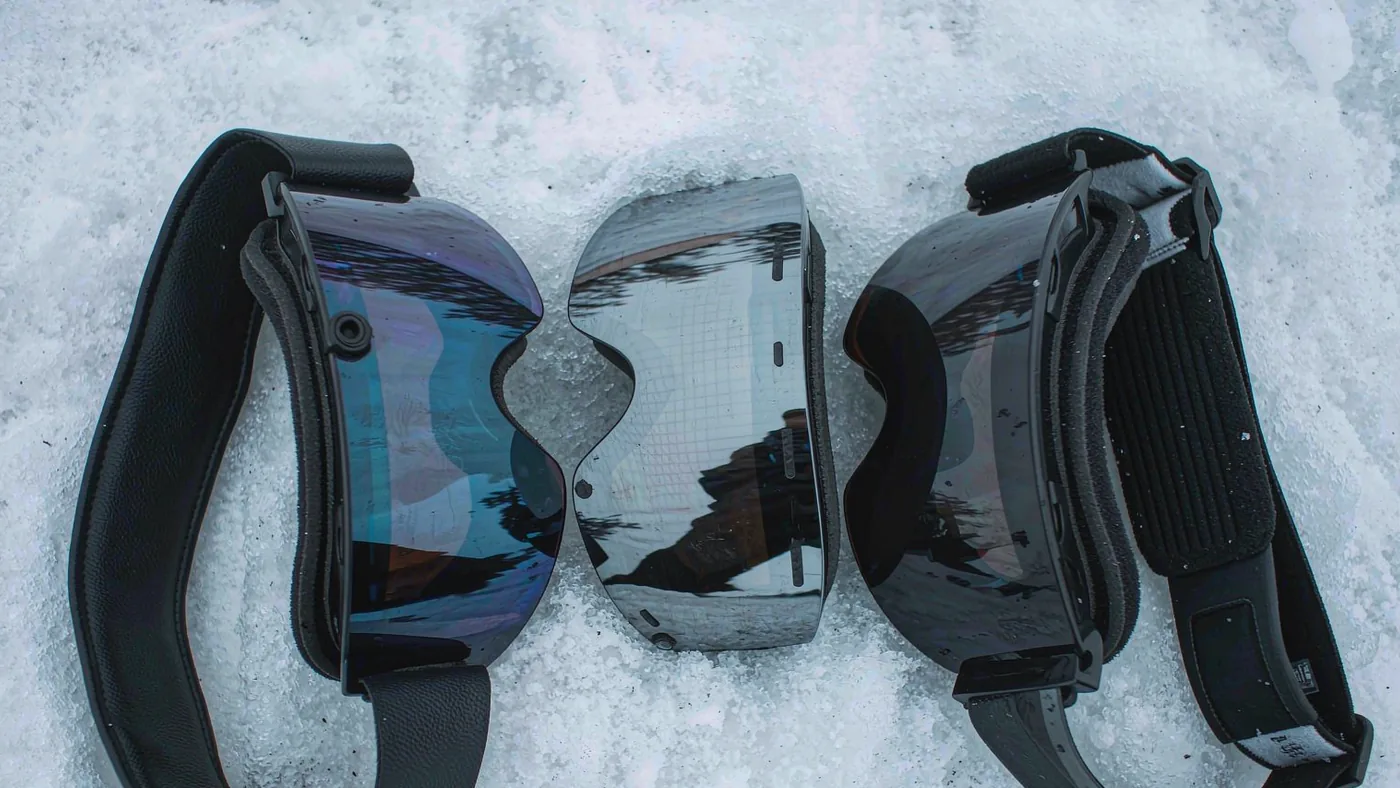
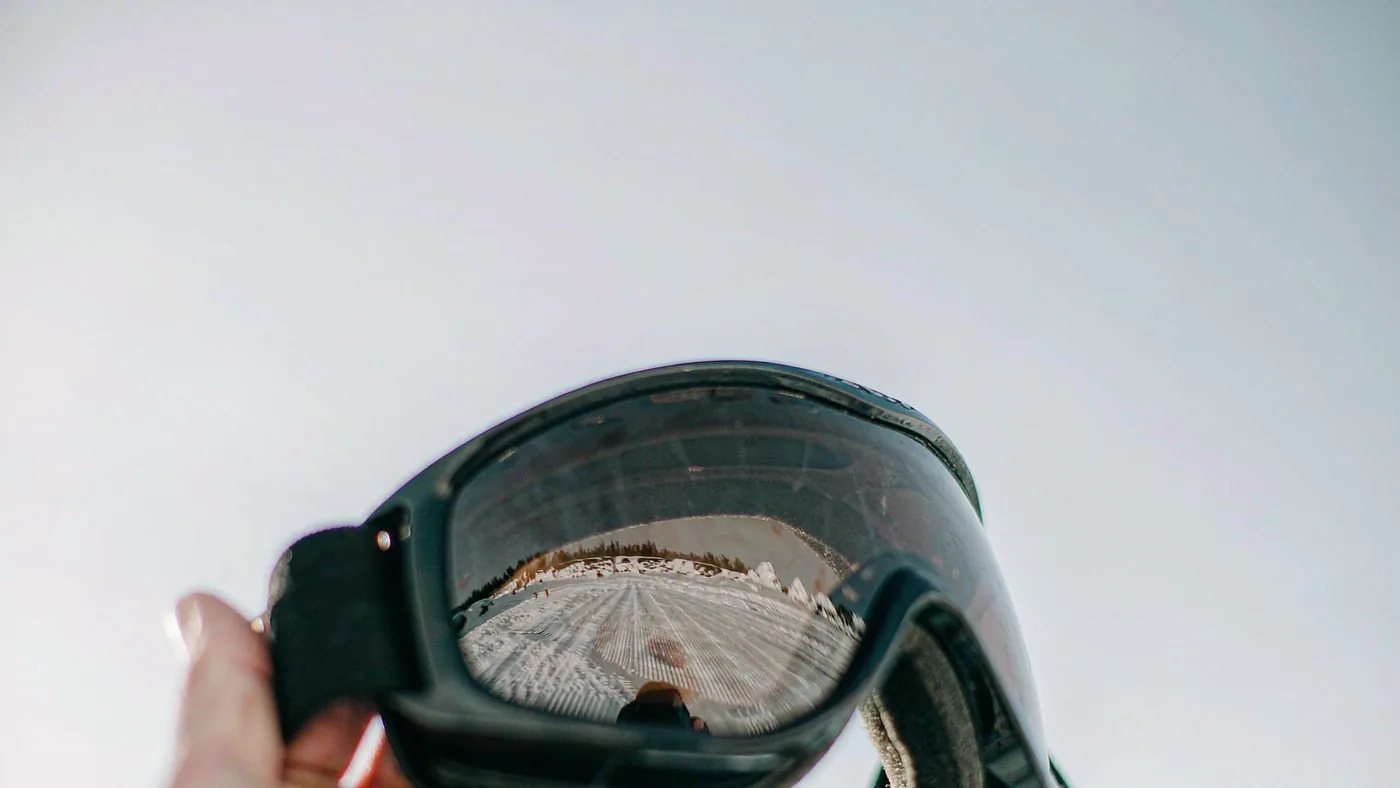
Two more details worth checking before you buy. First, goggle compatibility: a helmet with a brim that pushes your goggles down will leave a gap at the top of the lens, and cold air funnelling in there is the fastest route to a fogged-up goggle. Take your goggles to the shop and try them together. Second, earpads: removable pads make a helmet cooler in spring and are worth having if you also use the helmet for anything else.
The picks
A well-priced helmet that includes rotational impact protection. If you have been riding without a helmet, this is the cheapest sensible way to fix that.
Best for
- First helmet purchase
- Resort riders
Worth skipping if
- Riders needing maximum venting
- Backcountry weight weenies
- Protection
- In-mould construction with rotational liner
- Fit
- Adjustable dial
- Venting
- Fixed vents
Strengths
- Good protection at a fair price
- Comfortable adjustable fit
Trade-offs
- Less ventilated than premium models
- Heavier than top-end shells
Specifications reflect published manufacturer information, last checked 2026-09-28. We have not laboratory-tested this product; the assessment above is editorial, based on the published design and the rider profile it targets. How we review gear.
Excellent venting and refined rotational protection. Worth the extra if you overheat in a helmet on warm spring days.
Best for
- Riders who overheat
- Spring riding
Worth skipping if
- Tight budgets
- Riders wanting the lightest possible shell
- Protection
- MIPS rotational protection
- Fit
- 360-degree adjustment
- Venting
- Adjustable venting
Strengths
- Best-in-class venting
- Refined fit system
Trade-offs
- Premium price
- Not the lightest option
Specifications reflect published manufacturer information, last checked 2026-09-28. We have not laboratory-tested this product; the assessment above is editorial, based on the published design and the rider profile it targets. How we review gear.
A clean, low-profile shell at an accessible price. Good if you want a helmet that does not look like a mushroom.
Best for
- Riders wanting a simple, modern look
- First helmet purchase
Worth skipping if
- Riders needing extensive venting
- Protection
- Hard shell with MIPS option
- Fit
- Adjustable dial
- Venting
- Fixed vents
Strengths
- Discreet look
- Affordable
- Comfortable padding
Trade-offs
- Basic venting
- Heavier than in-mould shells
Specifications reflect published manufacturer information, last checked 2026-09-28. We have not laboratory-tested this product; the assessment above is editorial, based on the published design and the rider profile it targets. How we review gear.
How they compare
| Helmet | Rotational protection | Venting | Fit system | Suits |
|---|---|---|---|---|
| Smith Mission | Rotational liner included | Fixed vents | Adjustable dial | A first helmet that does not cut corners |
| POC Obex MIPS | MIPS | Adjustable venting | 360-degree adjustment | Riders who overheat and spring days |
| Giro Ledge | MIPS available on this model | Fixed vents | Adjustable dial | Riders who want a discreet, simple shell |
Specifications reflect published manufacturer information, last checked 28 September 2026. Protection and venting descriptions are based on published design information; we have not impact-tested any helmet.
When to replace a helmet
Replace it after any impact hard enough that you would have been shaken up without it. The foam has compressed and cannot compress twice, even if the shell looks untouched. Replace it after a car park knock onto tarmac as well; that counts.
Replace it anyway once the pads no longer hold it snug, the dial has stopped gripping, or the liner has started to feel loose or crumbly. Straps that have been stored tight for years lose their elasticity. And if a helmet was bought second-hand, remember you do not know its history — an impact-compromised helmet gives no outward sign.
Verdict
If you ride one week a year on gentle pistes, a well-fitted mid-range helmet with rotational protection is all you need. The premium price buys venting, weight and refinement, and you will not feel the difference in a fortnight at 1,500 metres. Riders who ride spring snow, or who overheat by lunchtime on any warm day, get genuine value from the more ventilated option.
Frequently asked questions
Do I need a helmet for snowboarding?
It is not compulsory in European resorts, but head injuries are one of the most common serious injuries in snowboarding and helmets are cheap relative to lift passes and hospital transfers. Most riders now wear one, most rental shops offer them, and most travel insurers look favourably on riders who do.
Is MIPS worth paying for?
It is worth having if the helmet fits you properly. Rotational protection systems reduce the forces that contribute to concussion, and they are now available at reasonable prices. But fit matters more: a snug, correctly sized helmet without a rotational system is safer than a loose one with it.
How do I know if my helmet fits?
It should sit level, with the front edge about two fingers above your eyebrows and the rear covering the base of your skull. When you shake your head, the helmet and your skin should move together. If you can slide your scalp inside it, it is too big or too loose.
Can I wear my helmet over a beanie or a hood?
A thin skull cap or balaclava is fine and many riders wear one in cold weather. A thick beanie or a bunched hood pushes the helmet up off your forehead and stops the liner contacting your head properly, which reduces protection. If the helmet is uncomfortable with a thin layer under it, it is the wrong size.
How long does a snowboard helmet last?
There is no fixed expiry date, but replace it after any significant impact, whether it happened on snow or on tarmac in a car park. Beyond impacts, replace it when the padding packs out, the fit dial stops holding, or the liner starts to deteriorate — typically after several seasons of regular use.
Where to go next
Helmets and goggles have to work together, so read the goggles for flat light guide before you buy either. If you are still deciding what to spend across your whole kit, the budget guide sets out the order of priorities.
For the rest of your outerwear, see the best jackets for British winters and the outerwear archive. Beginners starting from nothing should begin with the first setup guide.