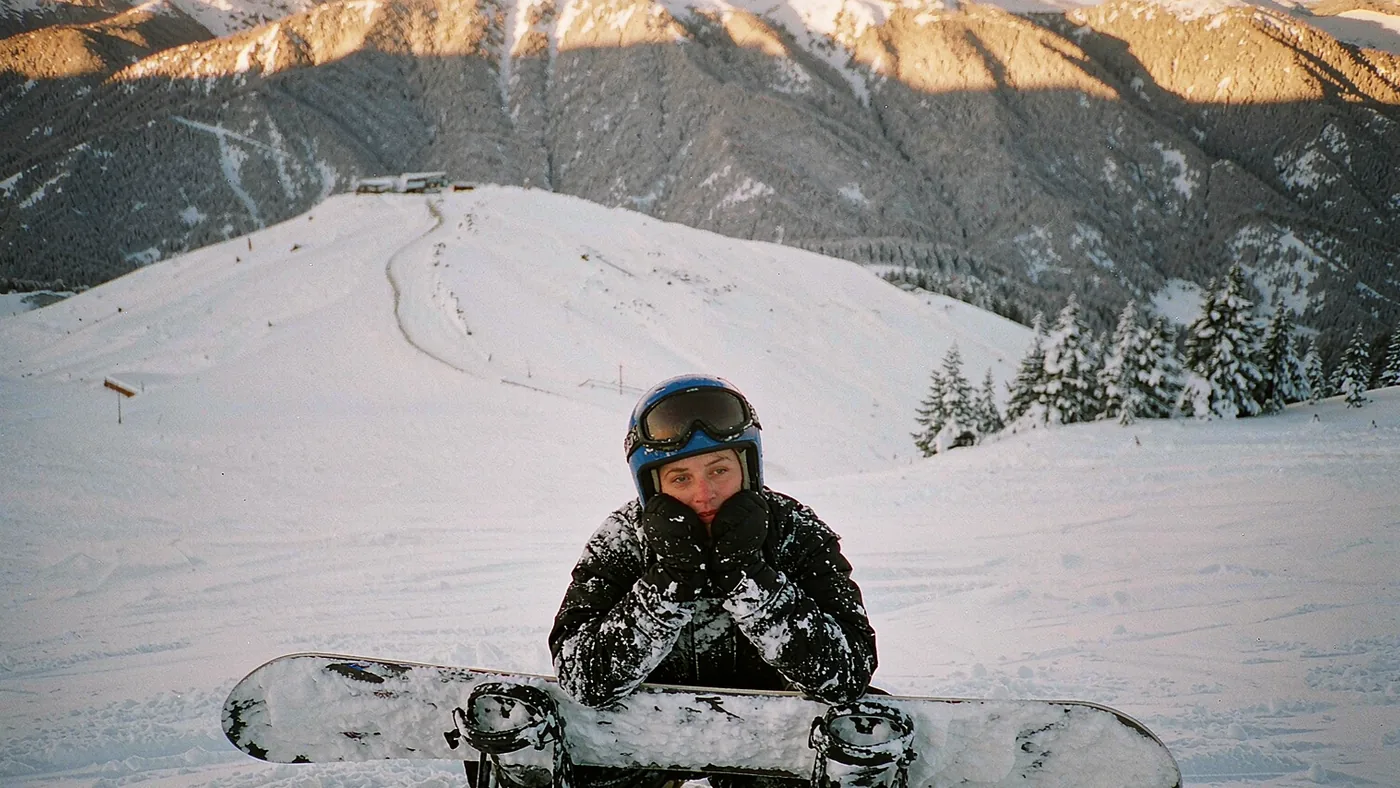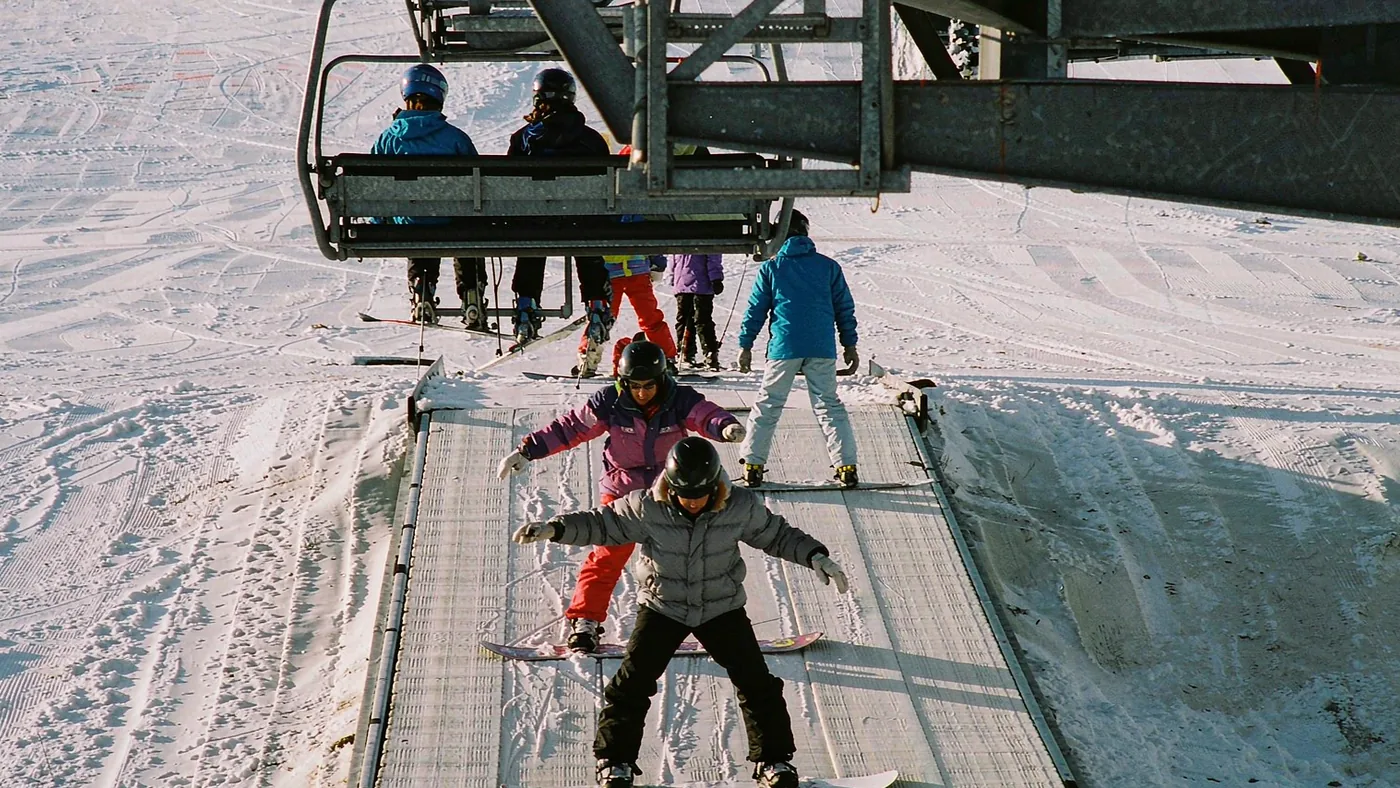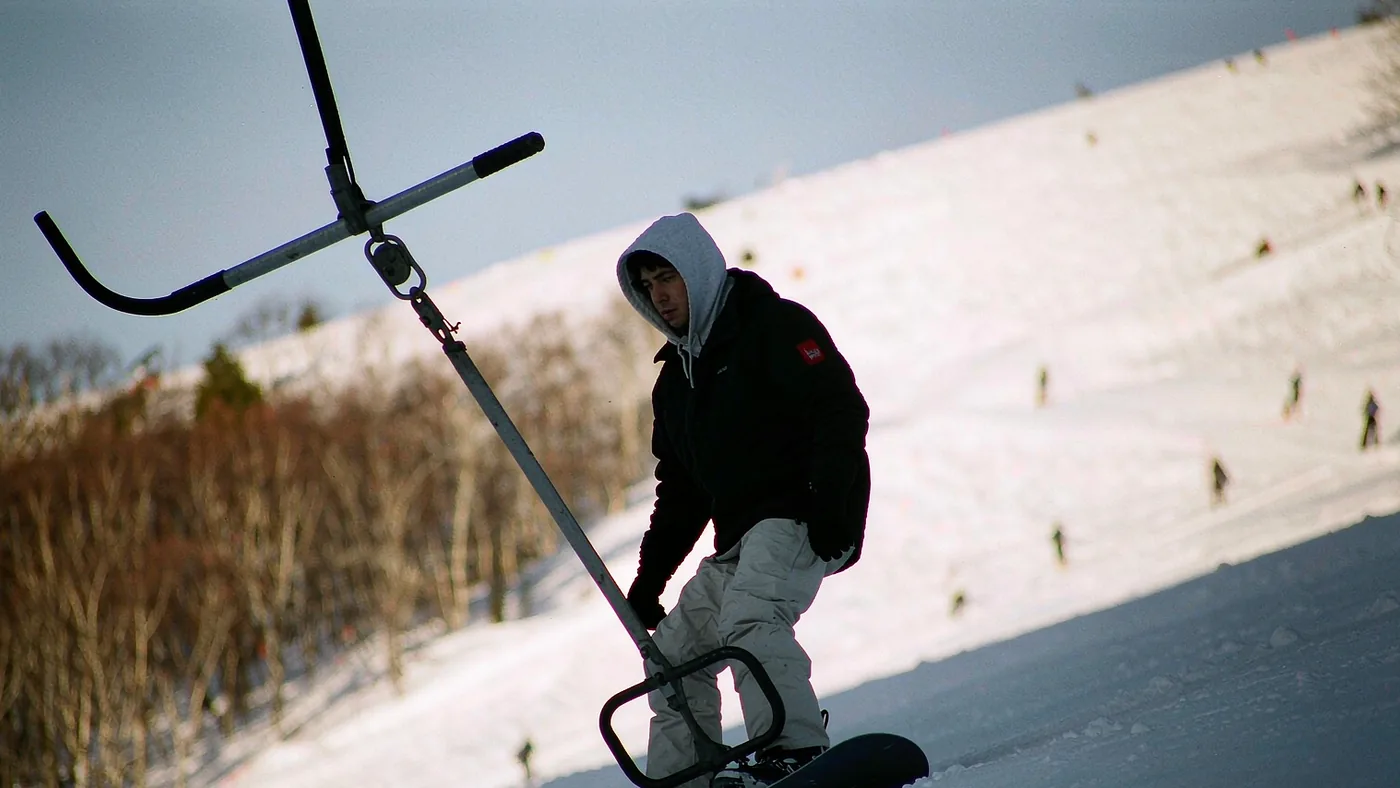
Halfway down a long flat run-out towards a chairlift in Serre Chevalier, the people around you are still gliding and you have stopped. Not because you are tired, and not because the snow is slow — everyone else is moving. Your base has gone grey and dry and is gripping the snow like a brake pad. That is what an unwaxed base feels like, and it is one of the few maintenance jobs where doing it yourself produces as good a result as a shop.
What you actually need
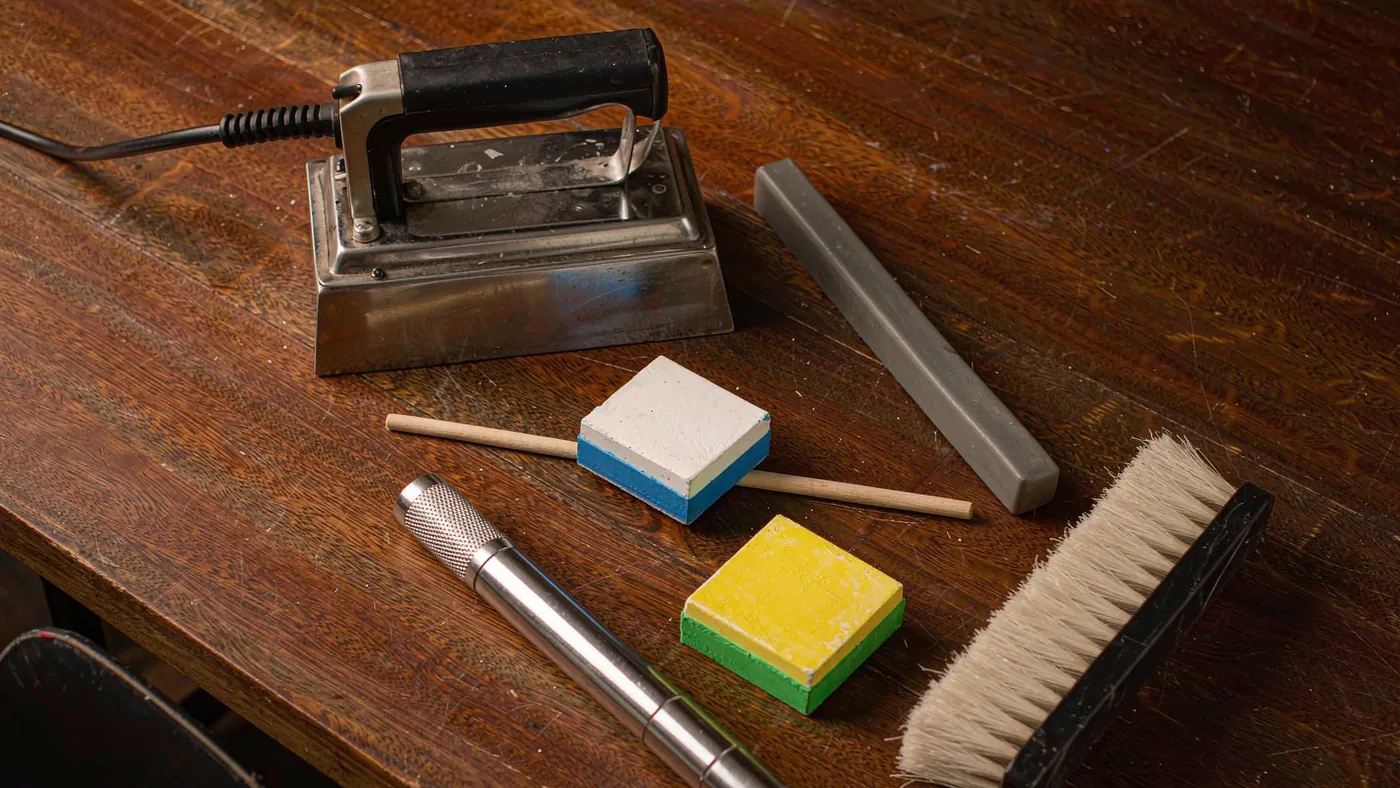
The kit list is shorter than the internet suggests. A waxing iron — a proper one, not a clothes iron, which has no accurate temperature control at the low end and will burn the base. A block of universal wax. A plastic scraper. A stiff nylon brush and ideally a brass brush. A file and a diamond stone for edges. A base cleaner for when the base is genuinely dirty.
Everything beyond that is a refinement. You do not need a base grinding machine, a rotobrush set or a specialist wax for every snow temperature. One universal wax applied properly will outperform five specialist waxes applied badly.
How to wax a snowboard
Waxing is not complicated. It is slow, repetitive and forgiving, which makes it a good job to do while listening to something.
- Mount the board base-up on waxing supports, or a workbench with soft jaws. Two stacks of books under a towel will do if the board is stable.
- Clean the base. Brush off loose dirt and scrape away old wax that has gone grey. On a genuinely dirty base, use base cleaner and let it dry completely.
- Set the iron to the wax manufacturer's recommended temperature. Start low. If the wax smokes, it is too hot and you are burning it.
- Drip wax along the base by holding the block against the iron, aiming for an even distribution rather than a thick layer.
- Iron the wax in with slow, smooth passes, keeping the iron moving and never parking it in one place.
- Let the board cool for at least twenty minutes. Scraping warm wax removes most of it and wastes the job.
- Scrape with a plastic scraper, held at a shallow angle, in long strokes from tip to tail, until no more wax lifts off on your finger.
- Brush from tip to tail, nylon first and then brass. Brushing opens the base structure and clears wax dust out of the pattern — this is what separates a decent wax job from a cosmetic one.
- Finish with a light buff using a soft brush or felt pad. The base should look slightly sheened rather than matt.
Wax choice without the mythology
Wax hardness matters, but less than people pretend. Soft wax wears off quickly in cold, dry snow; hard wax drags in wet, warm snow. Universal wax is the compromise that works across a normal European week.
| Condition | Wax type | Why |
|---|---|---|
| Cold, dry, fresh snow | Harder cold-weather wax | Soft wax wears off within a run in cold, abrasive snow |
| Typical mid-winter conditions | Universal wax | The best all-round compromise for one or two weeks a year |
| Warm spring snow and slush | Softer warm-weather wax | Hard wax drags and feels sticky in wet snow |
| Wet British and Scottish snow | Warm-weather wax, applied thickly | Water content is high, so lubrication matters more |
| Artificial snow and indoor slopes | Universal, applied often | Dry and abrasive, strips wax from the base quickly |
Editorial guidance based on how wax hardness behaves in different snow. Manufacturer temperature charts are a useful starting point.
Edges: what to do and what not to do
Edges need less attention than the internet implies, and most riders do more harm than good by over-filing.
For routine maintenance, a diamond stone is the right tool. Two or three light passes along each edge, following the existing angle, removes burrs and keeps the edge sharp enough for hardpack without taking off material. Count your passes so both edges get the same treatment.
A file is for repairing damage, not routine maintenance. If the edge has burrs, rust or a rolled section from a rock, a shop can reset it correctly. Filing by hand at the wrong angle is how riders end up with edges that will not hold. Detuning is the other thing worth knowing: deliberately dulling the edge at the tip and tail contact points makes the board less likely to catch during spins and presses, which is useful in the park and a mistake on piste.
| Task | How often | Who should do it |
|---|---|---|
| Wax | Every three to five days of riding | You, at home |
| Brush and scrape | With every wax | You, at home |
| Diamond stone on edges | Every five to ten days | You, at home |
| P-tex repair of deep gouges | As needed after damage | Either, depending on depth |
| Binding inspection and screw check | Before every trip and mid-trip | You, at home |
Editorial guidance on maintenance intervals. Riders on artificial snow or riding more than thirty days a season should wax considerably more often.
Base repairs you can do yourself
Shallow scratches need nothing beyond wax. Deep gouges that reach the core need a p-tex repair: clean the gouge with a sharp tool and isopropyl alcohol, drip p-tex in from a candle, let it cool, then scrape it flat. Clean it properly first, because p-tex will not bond to dirty or wet material.
If you ride a lot of hardpack and care about edge hold, or if you race, do not learn edge filing on the board you rely on. A badly filed edge at the wrong angle cannot be put back without taking material off, and each mistake shortens the life of the edges permanently. Learn on an old board, or pay a shop — a diamond stone is different and safe for anyone.
Frequently asked questions
How often should I wax my snowboard?
Every three to five days of riding for a normal sintered base, and more often on artificial snow, which is dry and abrasive. If the base looks grey, feels dry to the touch, or you can see the pattern going white, it is overdue. Waxing before a trip is the minimum habit worth keeping.
Can I use an ordinary clothes iron to wax a snowboard?
No. Clothes irons are not calibrated at the low temperatures waxing requires, and a hot spot will damage the base permanently. A dedicated waxing iron costs little and holds a stable temperature, and it will pay for itself within a couple of seasons of home waxing.
Do I need to scrape off all the wax?
Yes, for normal riding. Wax sitting on top of the base creates drag rather than reducing it. The wax that matters is the wax worked into the structure of the base. Scrape until no more comes off, then brush properly, which is the step most people skip and the one that makes the biggest difference.
Can I repair a gouge that goes through to the core?
Sometimes, but carefully. Clean it out, make sure there is no moisture in the core, then fill with p-tex and scrape flat. If the core has been wet, or the gouge is very deep and wide, take it to a shop — a wet core can rot from the inside and turn a repairable board into scrap.
Where to go next
For storage and long-term care between seasons, read snowboard care, waxing and edges. If you are preparing for a trip, the pre-trip checklist sets out what to do and when, and how to fly with a snowboard covers packing the board once it is serviced.
For the rest of the setup, how to set up snowboard bindings covers mounting and angles, and snowboard binding sizes explained covers matching bindings to boots. Browse the advice section for more maintenance guides.