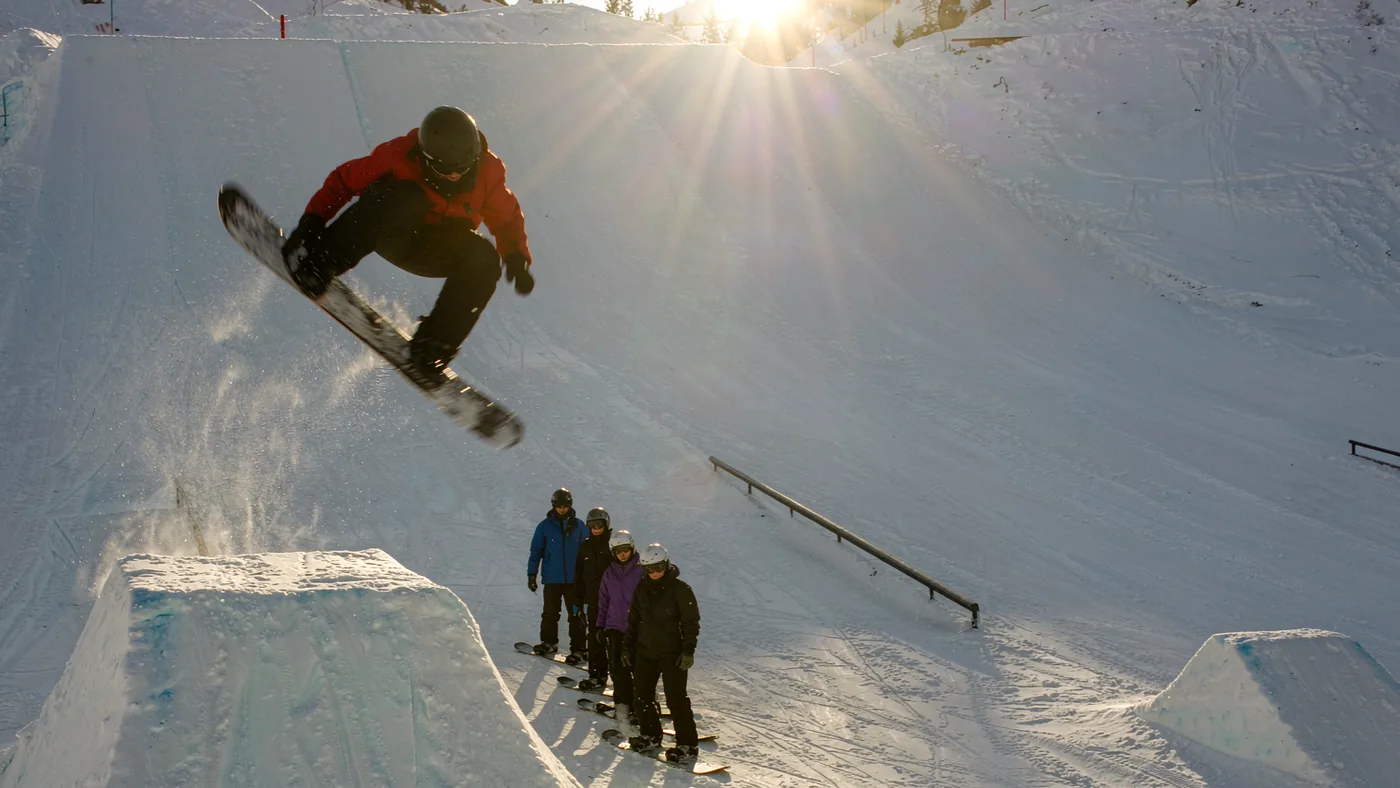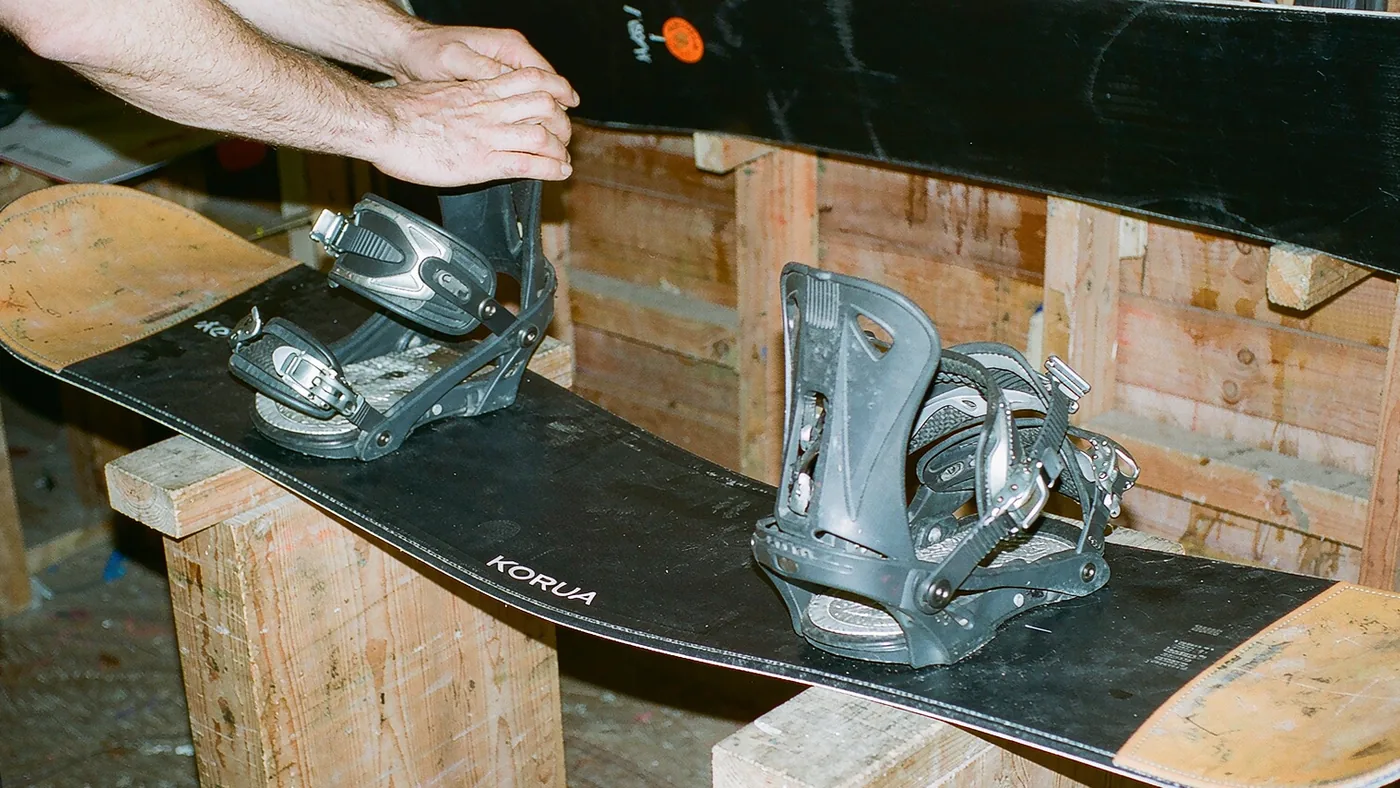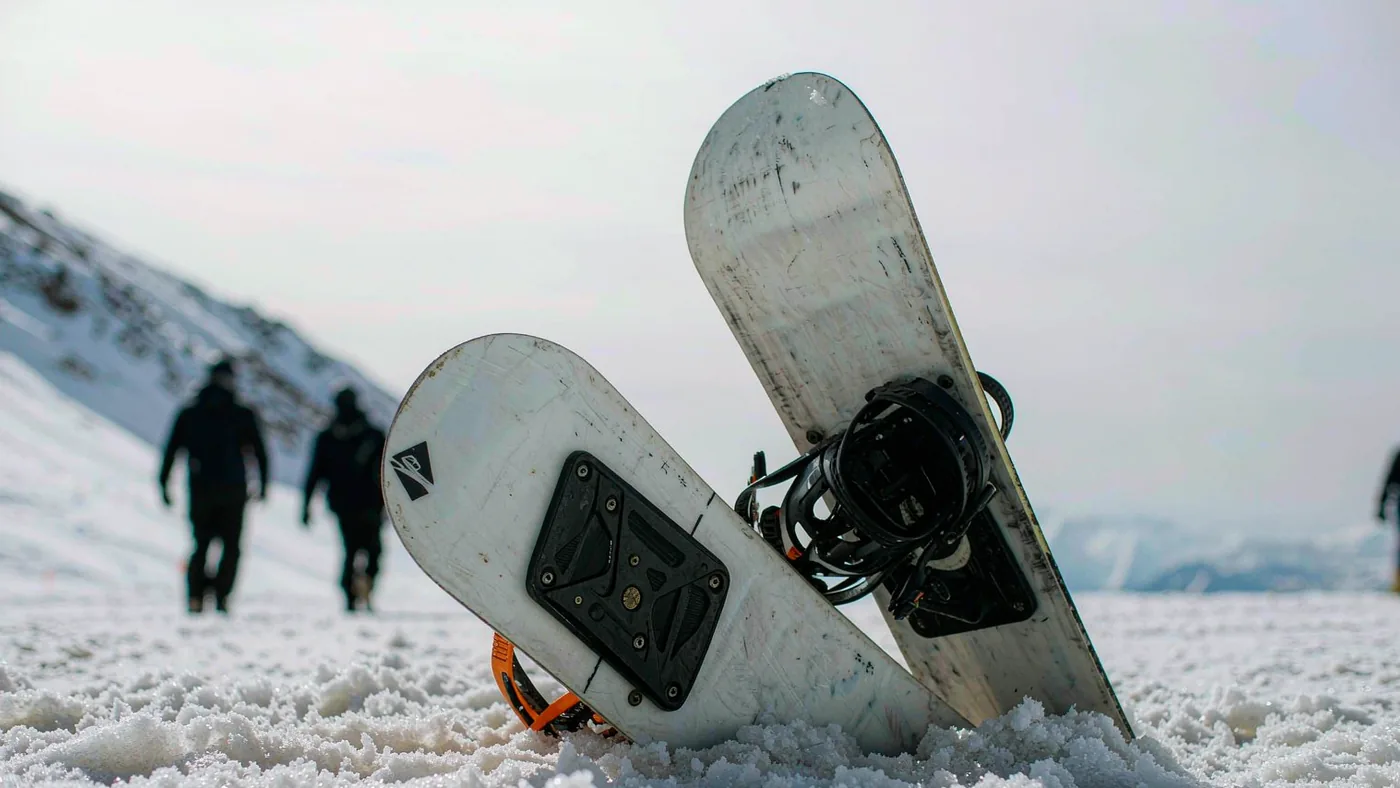
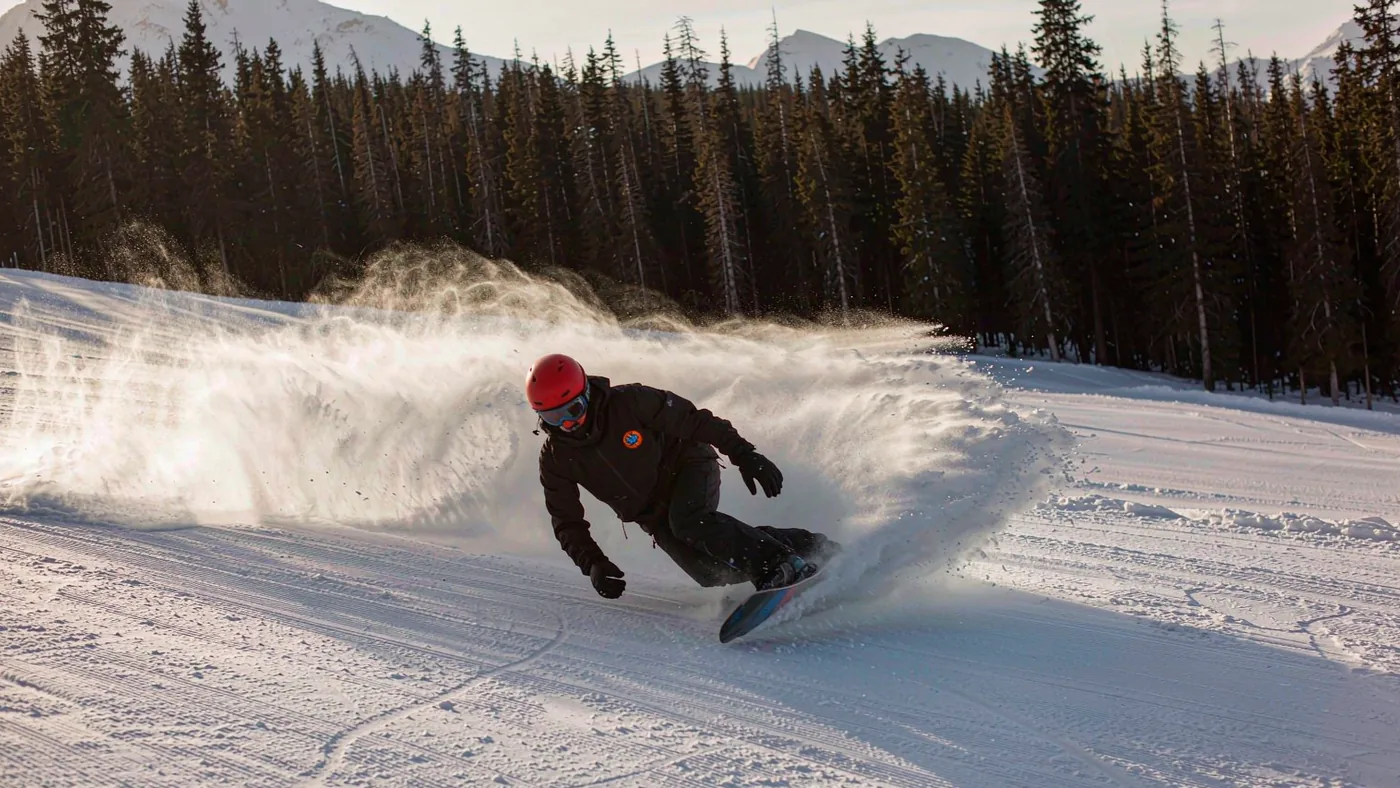
Most people asking me which all-mountain snowboard to buy are describing the same week. They have booked seven days in a French resort in late January, they ride a mix of blues and reds with a couple of blacks when the legs are fresh, and they will get one powder day if they are lucky. They want a board that grips on the icy first run down at 8:45am and does not feel like a plank when it softens up after lunch.
That rider does not need a quiver. They need one board that is honest across a wide range of conditions, and they need to be honest with themselves about which end of that range they ride most.
What actually makes an all-mountain board work
Three things matter more than the marketing copy.
Profile. Camber under and between your feet gives you edge grip, which is what you need on European hardpack. Rocker in the tips makes the board feel looser and floatier in soft snow. The hybrid profiles that dominate this category are all variations on how much of each you get and where. More camber means more grip and a more demanding ride. More rocker means more forgiveness and less bite.
Flex. A medium flex is the compromise that works. Too soft and the board folds when you push it at speed on a firm piste. Too stiff and you spend the week working hard for very little reward as an improving rider.
Width. If your boots are UK size 11 or above, a standard waist width will have your toes and heels dragging on every hard turn. Buy a wide version. This is the single most common expensive mistake in this category.
The picks
The board most other all-mountain decks are judged against. Predictable, grippy on hardpack, and it stays composed when you push it harder than you meant to.
Best for
- Riders who want one board for the whole mountain
- Improvers moving up from a beginner deck
- Anyone riding a lot of European hardpack
Worth skipping if
- Park riders who want a soft, pressable twin
- Riders on a tight budget
- Profile
- Traditional camber
- Shape
- Directional twin
- Flex bias
- Medium-stiff
- Intended terrain
- All-mountain
Strengths
- Very predictable edge-to-edge behaviour
- Holds an edge on scraped European pistes
- Wide size run including wider waist options
Trade-offs
- Camber profile punishes lazy technique in powder
- Priced at the premium end for what it is
Specifications reflect published manufacturer information, last checked 2026-09-28. We have not laboratory-tested this product; the assessment above is editorial, based on the published design and the rider profile it targets. How we review gear.
A true do-everything deck. It has enough camber to grip and enough rocker in the tips to stay relaxed when the snow gets soft.
Best for
- Riders splitting time between piste, park and side hits
- Anyone wanting a single-board quiver
Worth skipping if
- Dedicated deep-powder days
- Absolute beginners
- Profile
- Hybrid camber (camber between feet, rocker in tips)
- Shape
- Directional twin
- Flex bias
- Medium
- Intended terrain
- All-mountain / freestyle
Strengths
- Genuinely versatile across conditions
- Forgiving enough to progress on
- Works as a travel board when you fly with one deck
Trade-offs
- Not the float of a dedicated powder shape
- Top sheet scratches fairly easily on rails
Specifications reflect published manufacturer information, last checked 2026-09-28. We have not laboratory-tested this product; the assessment above is editorial, based on the published design and the rider profile it targets. How we review gear.
A twin that still holds an edge. Better than most twins in crud, and happier in the park than most all-mountain boards.
Best for
- Riders who want switch riding without giving up grip
- Resort riders who mix piste and park in one lap
Worth skipping if
- Deep-day powder hunting
- Riders who want a soft, jib-friendly feel
- Profile
- Hybrid camber
- Shape
- True twin
- Flex bias
- Medium
- Intended terrain
- All-mountain freestyle
Strengths
- Strong grip for a twin
- Handles chunder better than the flex suggests
- Solid eco-credentials with no performance penalty
Trade-offs
- Overkill if you never ride switch
- Notably more expensive than comparable twins
Specifications reflect published manufacturer information, last checked 2026-09-28. We have not laboratory-tested this product; the assessment above is editorial, based on the published design and the rider profile it targets. How we review gear.
A stiff, fast all-mountain deck for riders who treat groomers like a race course. It rewards commitment and punishes hesitation.
Best for
- Confident intermediate and advanced riders
- Heavier riders who flex boards easily
Worth skipping if
- Beginners
- Park-focused riders
- Profile
- Traditional camber
- Shape
- Directional twin
- Flex bias
- Stiff
- Intended terrain
- All-mountain / freeride
Strengths
- Excellent stability at speed
- Holds up on hard, refrozen slopes
- Wide sizes suit bigger riders properly
Trade-offs
- Demanding for lighter riders
- Little forgiveness for sloppy technique
Specifications reflect published manufacturer information, last checked 2026-09-28. We have not laboratory-tested this product; the assessment above is editorial, based on the published design and the rider profile it targets. How we review gear.
Gets you most of the way to a premium all-mountain board for noticeably less money. The compromise is a slightly less refined ride in chop.
Best for
- Second-board buyers who know they want all-mountain
- Riders who would rather spend the saving on boots
Worth skipping if
- Riders chasing the last few per cent of damping
- Beginner-first purchases
- Profile
- Hybrid camber
- Shape
- Directional twin
- Flex bias
- Medium
- Intended terrain
- All-mountain
Strengths
- Strong price-to-performance
- Grippy where it matters, under the feet
- Easy board to keep in good condition
Trade-offs
- Feels less planted at speed in chopped snow
- Base is not as fast as premium sintered decks
Specifications reflect published manufacturer information, last checked 2026-09-28. We have not laboratory-tested this product; the assessment above is editorial, based on the published design and the rider profile it targets. How we review gear.
How they compare
| Board | Profile | Flex | Grip on hardpack | Float in powder | Best suited to |
|---|---|---|---|---|---|
| Burton Custom Camber | Traditional camber | Medium-stiff | Excellent | Fair | Confident riders who live on groomers |
| CAPiTA Mercury | Hybrid camber | Medium | Good | Good | Riders who want one board for everything |
| Jones Mountain Twin | Hybrid camber | Medium | Very good | Fair | Switch riders and park-inclusive days |
| Nitro Team | Traditional camber | Stiff | Excellent | Poor | Fast, heavy, aggressive riders |
| YES Typo | Hybrid camber | Medium | Good | Fair | Second-board buyers watching the budget |
Published specifications, last checked 28 September 2026. Grip and float are editorial judgements about the design, not lab measurements.
What not to overpay for
The biggest price jump in this category buys you a lighter core and a faster sintered base. Those are real differences, but they matter most to riders doing sixty days a season. If you ride two weeks a year, the extra money is better spent on boots that actually fit your feet — that will change your riding far more than a 200-gram weight saving.
The second thing to be sceptical about is the size run. A board that only comes in three lengths is a board built for an average rider. If you are at either end of the weight range, look for a brand that offers a wide version or a broader length spread, and check the weight recommendation rather than the height chart on the wall of the shop.
Verdict
The Burton Custom Camber is the safest all-mountain purchase for a confident rider, and the YES Typo is the best value if the budget is tight. But the honest answer is that for a rider doing one or two weeks a year, the boots and the binding matter more than which of these five decks you pick. Get the fit right first.
Frequently asked questions
Should my all-mountain board be longer or shorter than my height?
Ignore the old "board to your chin" rule. Board length should be driven by your weight and your boot size, not your height. A heavier rider on a short board will overpower it; a light rider on a long board will never bend it. Use the manufacturer's weight range as the primary guide and treat height as a rough sanity check.
Is a traditional camber board bad in powder?
No, but it is harder work. Camber gives you grip and pop, which is why it is still the profile of choice for riders who care about carving. In deep snow it wants to dive rather than plane, so you have to sit back and work for float. A hybrid profile with rockered tips gets you most of the grip with far less effort in soft snow.
How much should I spend on an all-mountain board?
If you ride one or two weeks a year, the mid-range is the sweet spot: genuinely capable boards without the premium for weight and base speed you will not notice. Spending more only pays off if you ride frequently enough to feel the difference and to wear the board out.
Do I need a wide board?
Check your boots first. If your boot is UK size 11 or larger, or you have been told you have wide feet, you almost certainly do. Toe and heel drag on a hard turn is a real, dangerous problem, not a cosmetic one. Most of the boards above are available in a wide version — take it.
Can I learn on an all-mountain board?
You can, but a forgiving beginner-specific board will get you riding faster. Beginner decks have softer flex and looser tips, which makes it much harder to catch an edge while you are still learning to control your edges at all. Start there, then move to this category once you can link turns confidently.
Where to go next
If you have not bought boots yet, start with our guide to boots for beginners and our wide feet boot round-up. Binding choice matters too — see the best snowboard bindings round-up and the Union Force vs Burton Cartel comparison.
Still unsure about size? The snowboard size chart explains how to pick a length from your weight, and the camber profiles guide covers what each profile will feel like underfoot.