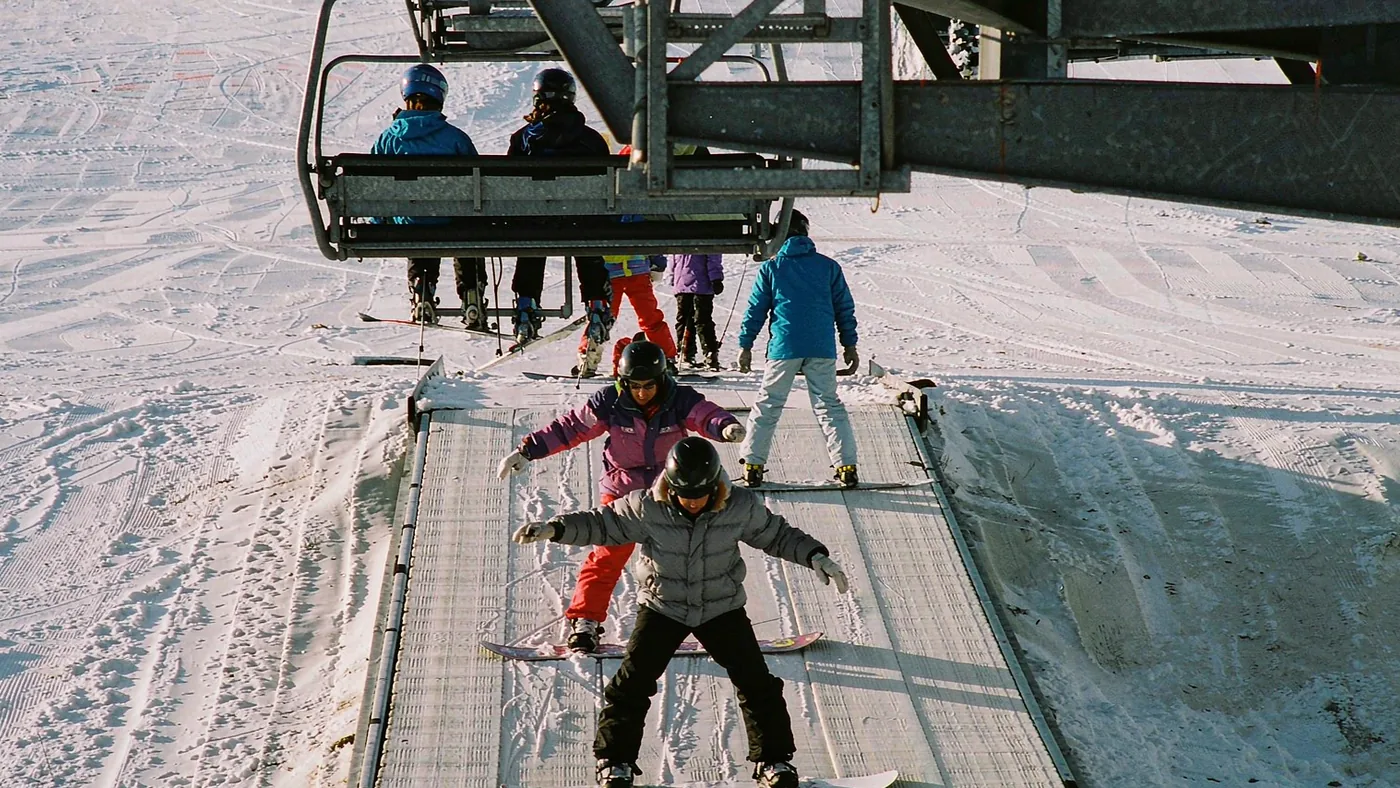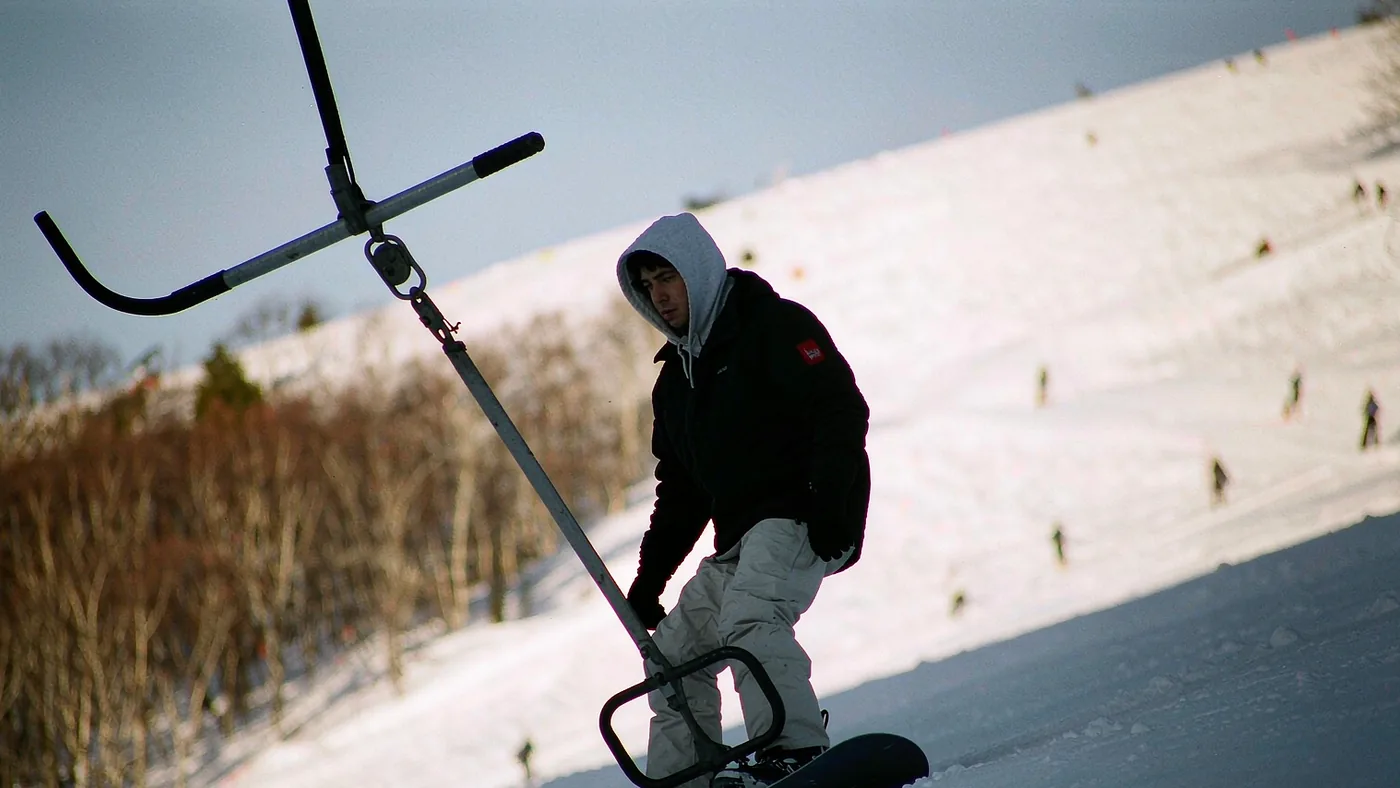
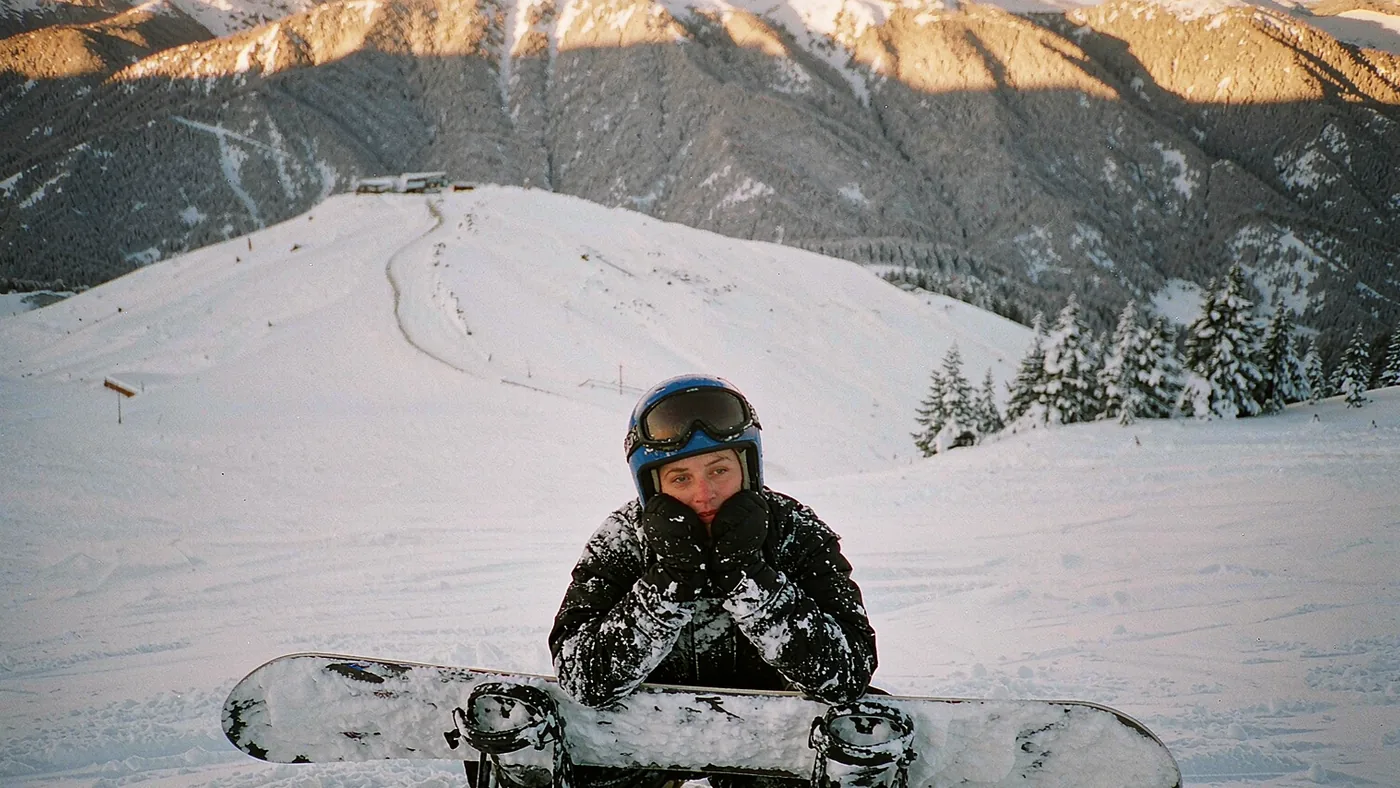
It is two o'clock on the second afternoon of your first snowboard trip. You are sitting in the snow halfway down a green run, your gloves are wet, your tailbone has been introduced to hardpack at least fifteen times, and a group of eight-year-olds on skis has just gone past you in a neat line without stopping. Everyone around you seems to be having a better time. You are wondering, quietly, whether this was a mistake.
It was not. What nobody tells you is that the second afternoon is the low point of the entire first season, and it is close to universal. Riders who get through it almost always end the week wanting to come back.
The shape of a first season
The first season is not a smooth curve. It has a specific, predictable shape, and knowing it in advance is genuinely useful because it stops you interpreting a bad afternoon as evidence about your ability.
| Stage | What it feels like | How long it lasts |
|---|---|---|
| Day one morning | Sliding, standing, falling on the flat | A few hours |
| Day one afternoon | Very tired, very bruised, no turns yet | A few hours |
| Day two | The wall — everything hurts and nothing works | One to two days |
| Day three or four | First linked turns, first real confidence | A day or two |
| End of first week | Riding easy blues, stopping when you want to | The best part of the trip |
| Months one to three | Plateau: you cannot work out what to learn next | Weeks |
| Second trip | Noticeably better in the first hour than the last hour of trip one | Immediate |
A general pattern reported by instructors and beginners, not a measured progression curve. Individual experiences vary widely.
That plateau after the first trip is real and worth planning for. Between trips you have no snow and no feedback, and fitness fades. Most riders arrive on their second trip roughly where they left off, not better, and then improve quickly once they are back on snow. That is normal, not a sign you have hit your ceiling.
The second-day wall is physical, not mental
The reason day two hurts is straightforward. On day one you use muscles you have never used in that combination — the ankles and feet for edge control, the glutes and quads for the semi-squat you hold all day, the core for balance, and the neck for looking where you are going. On day two every one of them is sore, and your balance is worse because everything is stiff.
There is a practical fix. Ride shorter days for the first two days, take a proper lunch, and stop before you are completely empty. Four focused hours on the slope beat eight exhausted ones, and the riders who progress fastest in week one are usually the ones who went in early and came back fresh.
On the fitness side, build leg endurance and core stability before a trip. Cycling, squats and single-leg balance work all transfer directly, and being able to hold a shallow squat for a minute or two without your knees collapsing is more useful preparation than running a half marathon.
Kit you do not need yet
The single most reliable way to waste money in your first season is to buy equipment before you can ride. Hire everything for the first trip, including the board, and expect the hire board to be fine.
Two exceptions. Buy your own boots as quickly as you can afford to, because boots must fit your foot rather than someone else's. And buy your own gloves, goggles and helmet, which are personal items and improve the week immediately.
The rest can wait. Within a season you will know whether you want all-mountain, freestyle or something else, and buying before you know means buying twice. Our guide to how much you should spend covers where the money is worth spending, and the first setup guide walks through the order to buy things in.
What nobody warns you about
Weather ruins days, and that is normal. A season in the UK or the lower Alps includes rain, fog, wet snow and closed lifts. If your only experience is one perfect week in the Alps in March, a bad week can make you conclude you do not enjoy it. It does not.
Lessons are not a beginner luxury. The riders who improve fastest are the ones who take a lesson on day three, once they can actually ride a bit, rather than only on day one. A lesson at that point corrects the specific habits you have already started building, and those habits are the reason people plateau for years.
Your first board is not your last. Nearly everyone outgrows their first board within a season or two, which is an argument for buying used or buying cheap. Our new vs used guide and the budget boards under £300 round-up cover the value end of the market.
How to keep improving after the first trip
Pick one thing per trip. Not "get better at snowboarding" but "hold my edge across an icy traverse" or "ride switch down a whole green run". Single goals are measurable and they compound.
Ride with people slightly better than you — one step ahead, not a whole level, which is demoralising. Book a private lesson on the second or third day of your next trip, because one or two hours with an instructor at that point is worth more than a week of following a friend down a run.
And ride a variety of conditions on purpose. Riders who only ever ride fresh groomed snow fall apart on ice and slush.
If you are only committed to one trip this season, or you are not certain you enjoy snowboarding yet, do not buy a board and bindings no matter how good the end-of-season discounts look. Buy boots, gloves, goggles and a helmet, hire the rest for a second trip, and make the hardware decision once you have ridden enough to know what you like.
Frequently asked questions
How long does the first season really take to get good?
Most riders can link turns and ride easy blue runs by the end of their first week of instruction. Genuine comfort across a resort — reading the snow, controlling speed in all conditions, riding a red without thinking about it — usually takes two or three trips. There is no shortcut, but lessons compress the timeline considerably.
Is it normal to feel worse on the second day?
Yes, and it is close to universal. The muscles you use for snowboarding are specific, and on day two they are sore while your balance and confidence are not yet established. Take shorter days, ride through it, and day three is usually dramatically better.
Should I buy my own board in the first season?
Only if you are riding enough to justify it. A common sensible order is boots first, then goggles and helmet and gloves, then a used board, then new bindings. Buying a full new setup before you know what kind of riding you enjoy usually means buying twice.
How fit do I need to be to snowboard?
Fitter helps, but the bar is lower than people fear. The main demands are leg endurance, core stability and balance. Cycling, squats and single-leg balance work are the most transferable preparation. Turning up after months of no exercise at all is what makes the first two days brutal.
Where to go next
If you have not learned yet and are still deciding, read snowboard vs skis for beginners and the beginner board guide. For the equipment order of operations, how to choose your first setup is the place to start.
Once you own kit, how to set up snowboard bindings will make the first morning easier, and the pre-trip checklist covers everything to sort before you fly. Browse more of the advice section or the buying guides.