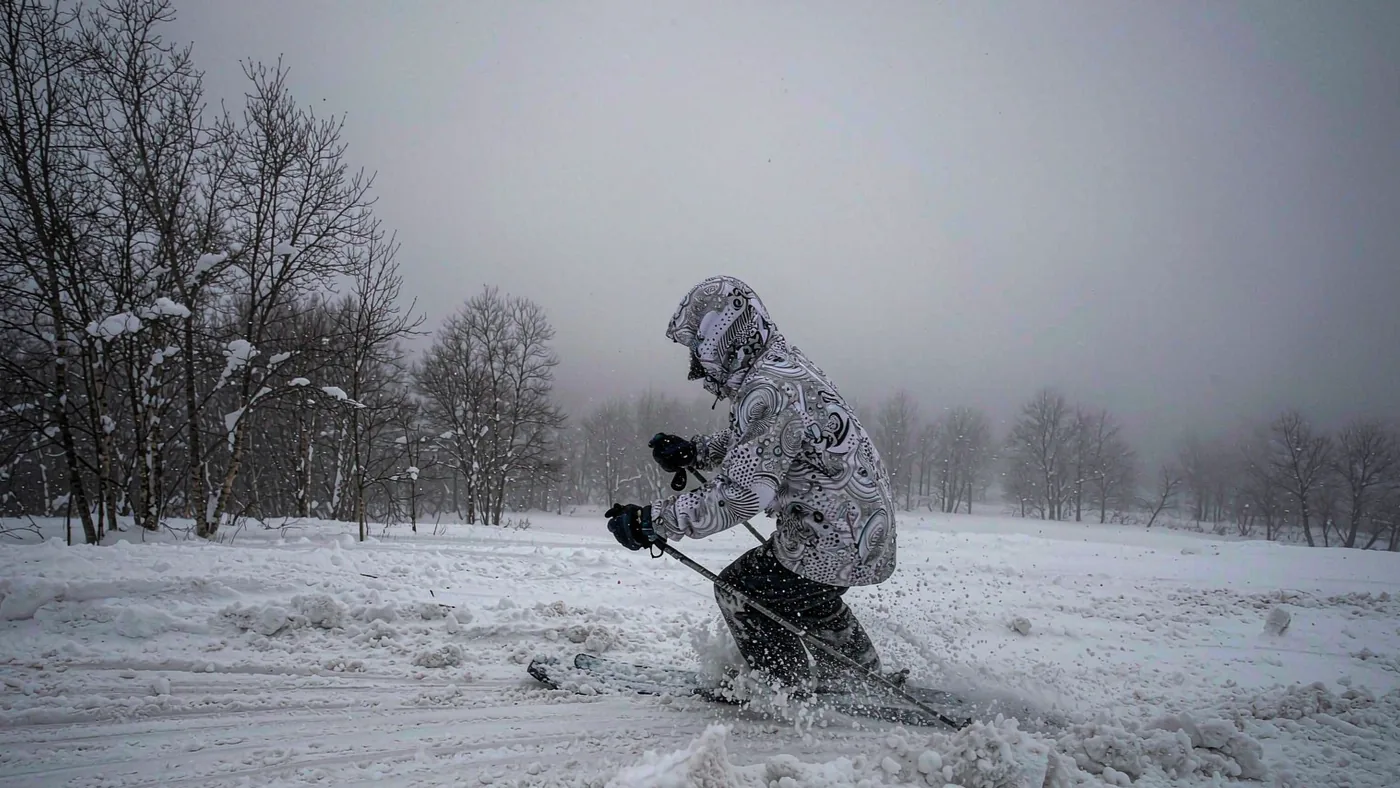
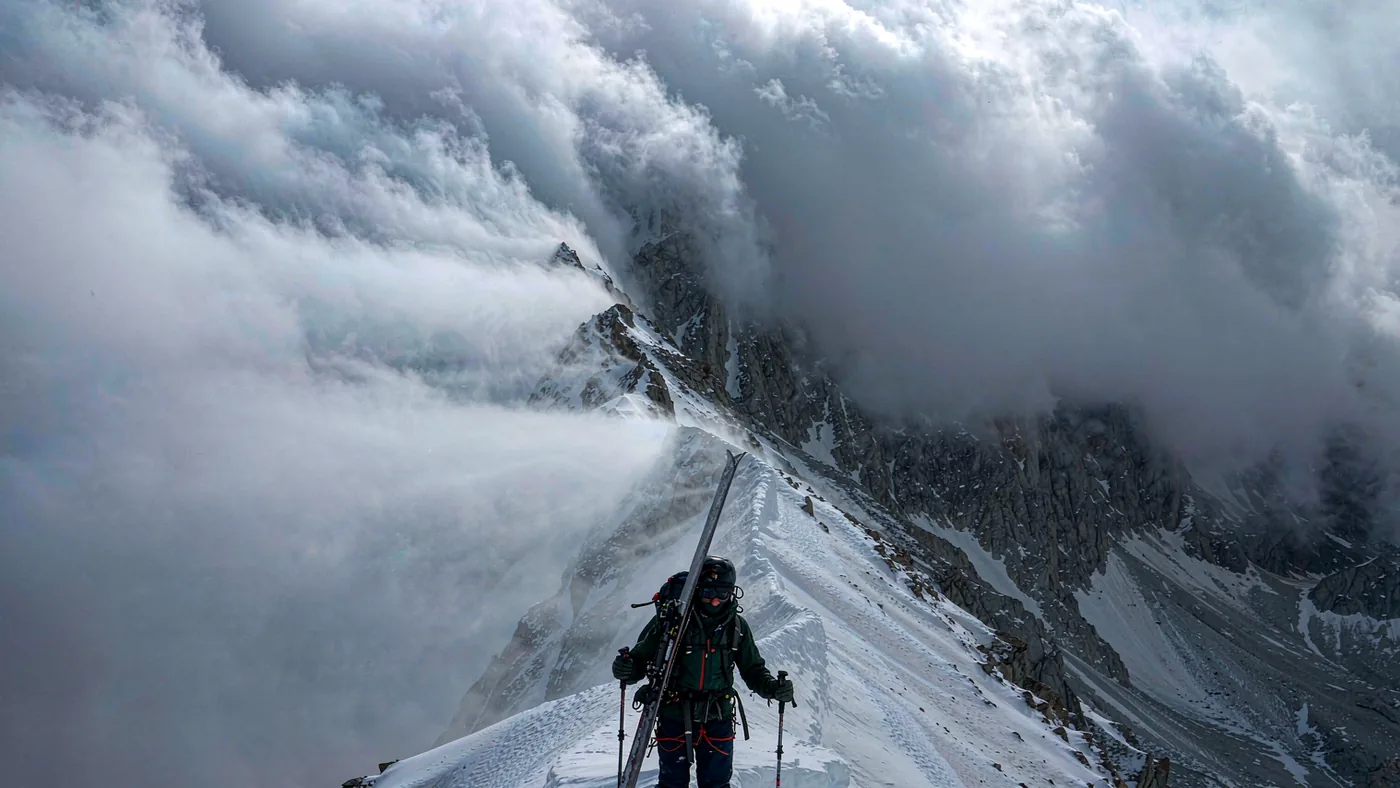
You get off the top lift in St Anton on a Friday morning, the gate to the sidecountry is open, and you have maybe forty minutes of hiking ahead of you to reach the shoulder where the untracked snow starts. Halfway up, the pack you borrowed is swinging from side to side, the board strapped across it keeps catching the wind, and your shoulder strap has worked loose twice. The turns at the top are excellent. The hike was miserable, and it is the part you will remember when you decide whether to do it again next year.
That is what separates a good snowboard pack from a bag that happens to have straps on it. The features are not complicated. They just have to be in the right places.
What actually matters in a snowboard pack
Board carry that works with a board, not skis. Diagonal carry is comfortable on the walk and quick to release. Vertical carry puts the weight closer to your spine and swings less in wind, but it is taller and it catches low branches. Both are fine. What matters is that the straps are wide enough to take a board with bindings still mounted, and that the buckles can be operated with gloves on.
A harness that does not move. A pack that shifts when you turn is worse than no pack at all, particularly on the ride down. Look for a proper waist belt rather than a token strap, and shoulder straps with a bit of shape rather than flat webbing.
Back panel access. Sidecountry riders take the pack off once, fill it with snow or pull a layer out, and put it back on. A pack that opens flat against your back is quicker and stops snow getting into the main compartment.
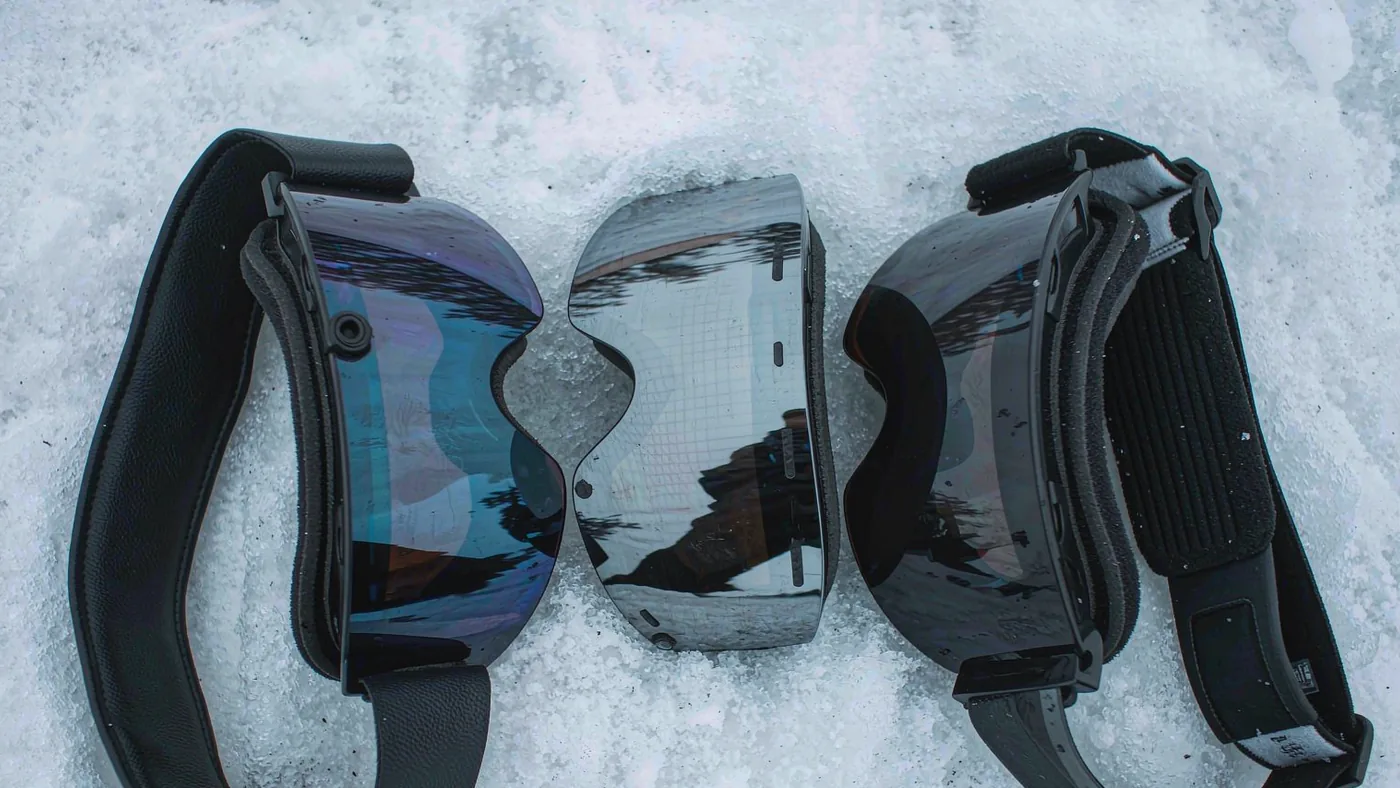
A goggle pocket that is actually fleece-lined. This is where a spare lens lives, and a scratched lens is a ruined lens. It is one of the few features worth paying for.
The picks
A well-organised 20-litre pack that carries a board comfortably on the hike and does not swing around on the ride down.
Best for
- Resort riders carrying layers and lunch
- Short sidecountry hikes
Worth skipping if
- Multi-day touring
- Riders wanting a dedicated airbag pack
- Volume
- 20 litres
- Carry options
- Vertical and diagonal board carry
- Intended use
- Resort / sidecountry
Strengths
- Stable when riding with layers in it
- Goggle pocket actually protects the lens
- Good compression for a small pack
Trade-offs
- Twenty litres limits what you can carry
- No dedicated avalanche tool pocket
Specifications reflect published manufacturer information, last checked 2026-09-28. We have not laboratory-tested this product; the assessment above is editorial, based on the published design and the rider profile it targets. How we review gear.
A pack designed around winter gear rather than adapted from a summer hiking bag: proper board carry, goggle pocket, and a harness that does not swing on the ride down.
Best for
- Resort and sidecountry days
- Riders carrying gear for a full day
Worth skipping if
- Multi-day touring
- Riders wanting minimum bulk
- Volume
- 22 litres
- Carry options
- Vertical and diagonal board carry
- Intended use
- Resort / sidecountry
Strengths
- Stable when riding
- Well-organised pockets
- Comfortable harness
Trade-offs
- Only 22 litres
- No avalanche tool pocket on this model
Specifications reflect published manufacturer information, last checked 2026-09-28. We have not laboratory-tested this product; the assessment above is editorial, based on the published design and the rider profile it targets. How we review gear.
An avalanche airbag pack. It is not a substitute for training, a transceiver, a probe and a shovel, but it is a real piece of safety equipment for riders going out of bounds.
Best for
- Backcountry riders with avalanche training
- Riders who go out of bounds regularly
Worth skipping if
- Resort-only riders
- Anyone without avalanche training or rescue gear
- Volume
- 22 litres
- Type
- Avalanche airbag backpack
- Intended use
- Backcountry
Strengths
- Real safety equipment for out-of-bounds riding
- Well-organised for rescue gear
Trade-offs
- Expensive
- Requires training and maintenance to be useful
Specifications reflect published manufacturer information, last checked 2026-09-28. We have not laboratory-tested this product; the assessment above is editorial, based on the published design and the rider profile it targets. How we review gear.
The first two do the same job for different riders. The Dakine is the simpler pack and the one most people should buy: it carries a board, holds a layer and a sandwich, and does not ask you to think about it. The Osprey is the better choice if you like pockets and want your gear organised in a specific place every time.
The third is a different category of object entirely, and it needs a different sentence in this article.
How they compare
| Pack | Volume | Board carry | Goggle pocket | Airbag system | Suits |
|---|---|---|---|---|---|
| Dakine Heli Pro 20L | 20 litres | Vertical and diagonal | Yes, fleece-lined | No | Lift days and short hikes with layers and lunch |
| Osprey Kamber 22 | 22 litres | Vertical and diagonal | Yes, fleece-lined | No | Riders who want everything in a fixed pocket |
| BCA Float 22 | 22 litres | Vertical and diagonal | No | Yes | Trained backcountry riders carrying rescue gear |
Specifications reflect published manufacturer information, last checked 28 September 2026. Volume figures are manufacturer-stated and are a rough guide to capacity, not a precise measure.
What to carry, and what not to
For a lift day with a bit of walking, the pack holds things you would otherwise be wearing or buying at mountain prices. A spare layer, a spare pair of gloves, water, food, sun cream, a small tool, and somewhere safe for a spare goggle lens. That is a 20-litre load and it is comfortable.
What you should not do is treat a pack as a place to store your entire kit. Weight moves your centre of mass backwards, which is exactly the wrong direction when you are trying to hold an edge on a firm piste. If you can feel the pack pushing you around in a turn, take something out of it.
If you are heading through a gate and out of bounds, the contents change completely. A transceiver, probe and shovel are not optional, and they are useless unless everyone in the group is carrying them and has practised with them. An airbag pack is a piece of equipment inside a system, not a substitute for one. It does nothing at all if you have not read the avalanche forecast, cannot interpret the terrain and have never dug a snowpack test.
The honest position on airbags is this: they are heavy, they are expensive, they need maintenance and annual cylinder checks, and they are only worth carrying if you actually travel in avalanche terrain often enough to justify the weight and the cost. Resort riders should not buy one. Nobody should carry a packed airbag without knowing how to deploy it and having practised.
Packing so it does not swing
Put the heaviest items in the middle of the pack, against your back, at roughly shoulder-blade height. That is where weight interferes least with balance. Water bladders go flat against the back panel, and if you are carrying both a bladder and a flask, drink the flask first — a partly filled bladder sloshes, and a sloshing pack is a moving pack.
Strap the board on tight enough that it cannot move, and check it again after the first five minutes of walking, because it will have settled. Loosen the waist belt before you start riding down; a properly cinched pack is comfortable at walking speed and restrictive when you are turning.
Verdict
If you ride groomed pistes all week and never walk anywhere, you do not need one. A pack adds weight, changes your balance and makes lift rides slightly more awkward. Buy one when you start carrying a spare layer, walking for turns, or going through a gate with proper rescue gear.
Every product in this category is a compromise between capacity, weight and how much it moves. Work out which of those three you can live with before you spend anything.
Frequently asked questions
How big a backpack do I need for snowboarding?
For lift days and short hikes, 18 to 22 litres is the sensible range. It is enough for a layer, food, water and a spare lens without making you feel like you are wearing a shopping trolley. Anything over 30 litres starts to affect your balance and is really a touring pack.
Is a backpack allowed on a chairlift?
Yes, but wear it on the chair and keep the board on your feet where you can. A pack worn on the chair is fine; a pack dangling from one strap while you wrestle with a board is how things end up on the snow under the lift. Some older lifts have tighter bar clearances, so sit forward and keep the pack against your back.
Can I carry a snowboard on a backpack?
Most snow-specific packs will carry a board vertically or diagonally using two straps. Diagonal carry is usually more comfortable for walking because the board sits along your side rather than above your head. Check that the straps are long enough to take a board with bindings still mounted.
Do I need an avalanche airbag pack?
Only if you regularly ride in avalanche terrain with a trained group, and only once you already own a transceiver, probe and shovel and know how to use them. For resort and short in-bounds hikes, an airbag adds weight and cost for no benefit. Training comes first, equipment second.
Should I put my boots in my backpack?
For short walks, strapping boots to the outside of a pack is awkward and shifts the weight badly. Most riders walk in their boots, or carry boots in a separate bag and change in the car park. If you are hiking something long enough that you want to walk in shoes, you need a bigger plan than a 20-litre pack.
Where to go next
If you are building a backcountry loadout, the best splitboards for European touring covers the boards, and the pre-trip checklist lists the small items people forget. Layering properly reduces what you need to carry, so the base layers guide is a good companion read.
For the rest of your kit, see the outerwear archive and the gloves and mitts round-up. If this is your first season, start with the first season guide.