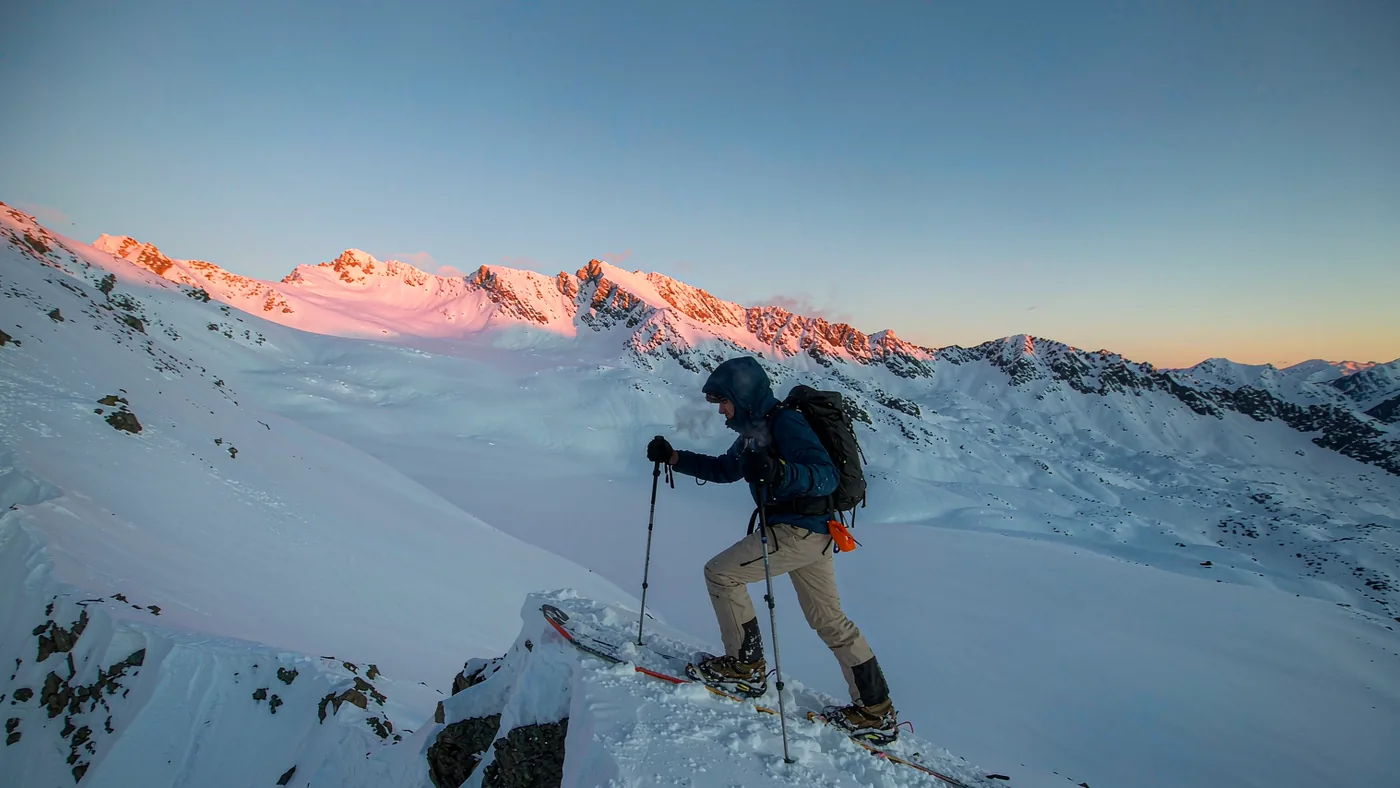
It is 6:40am in the car park at Bonneval-sur-Arc, the temperature is around minus twelve, and you are standing in the dark clipping two halves of a board together by headtorch while your hands stop working. The climb ahead is roughly 900 vertical metres of skinning to a col, and the descent on the other side is the reason you got up at five. Everything you have bought for this day is a compromise between those two things.
That is the central fact of splitboard buying. Unlike a resort board, a split has to be two contradictory objects: light and efficient on the way up, and a real snowboard on the way down. Nobody has yet built one that is best at both, so the honest question is not "which split is best" but "which half of the day do you care more about".
Most riders touring in the Alps, Scandinavia or the Pyrenees tour for the descent. They are not packing distance the way a long-distance ski tourer might; they want a few good runs off a col and a lift home in daylight. If that is you, a heavier split that rides properly is the right buy, and you should stop feeling guilty about the weight.
The four things that separate a good split from a bad one
Weight, obviously. But be specific about it. A kilogram on your feet on a skin track costs far more than a kilogram in your rucksack, which is why weight matters more here than on any other board you will ever buy.
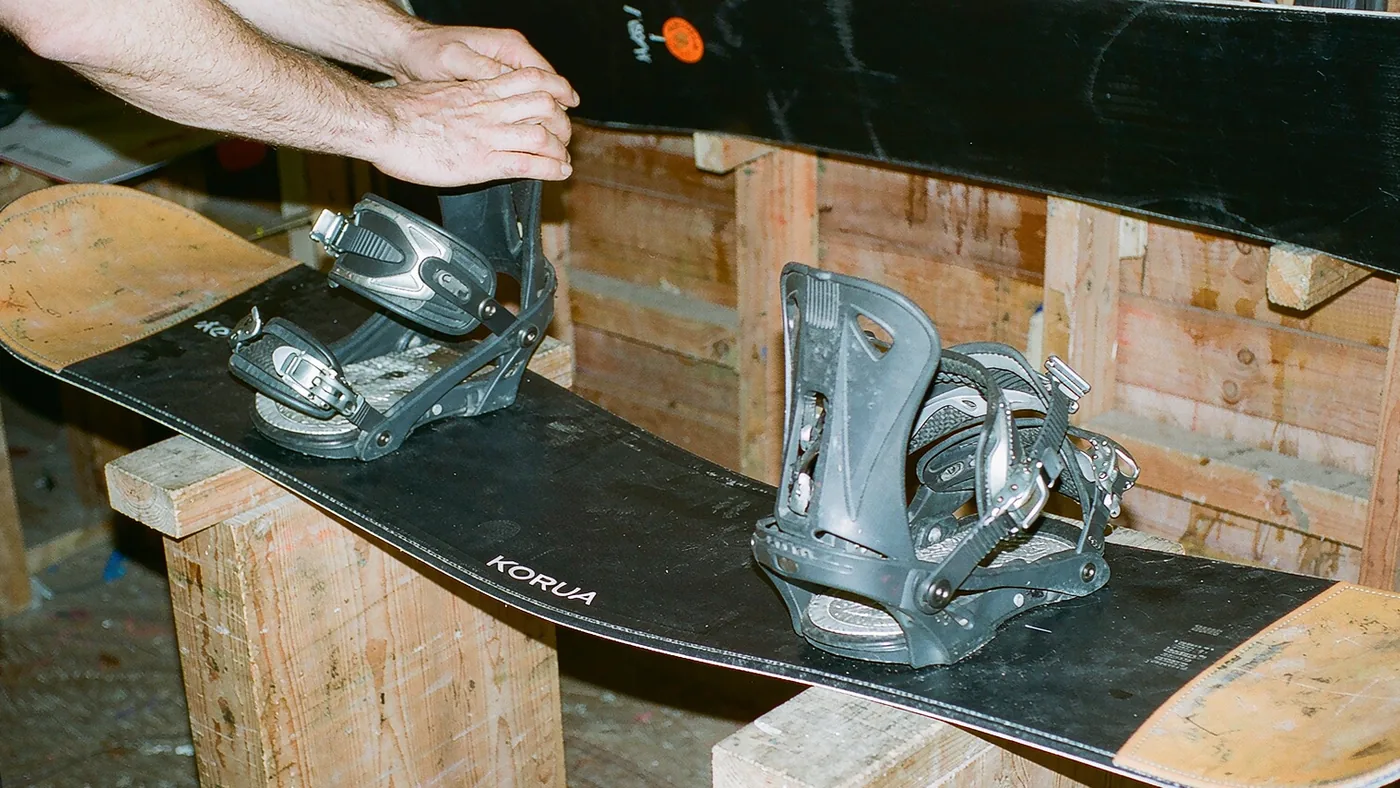
Seam stiffness. A split has a join down the middle where a solid board has a core. Soft or sloppy joins flex between the halves and the board feels hollow and vague when you load it in a turn. This is the number one quality issue in the category and it is not visible in any spec table.
The profile on hard, wind-affected snow. Most split descents are not powder. They are windboard, breakable crust, refrozen spring snow or a narrow couloir with a firm entry. A rocker-dominant powder shape is miserable in all of those, which is why most touring splits carry camber underfoot.
Hardware compatibility. Standard split inserts and a standard interface pattern keep your options open. Something proprietary is fine until the day it is discontinued.
The picks
A split that rides like a proper board on the descent rather than a compromise. The right choice if you tour mainly to snowboard, not to tick off distance.
Best for
- Riders touring in the Alps and Scandinavia
- Anyone wanting a split that still carves
Worth skipping if
- Resort-only riders
- First-time buyers on a tight budget
- Profile
- Hybrid camber
- Shape
- Directional
- Flex bias
- Medium-stiff
- Intended terrain
- Backcountry / touring
Strengths
- Rides like a real snowboard downhill
- Confident on wind-affected and variable snow
- Durable seam construction
Trade-offs
- Expensive, especially once you add hardware
- Heavier than a dedicated lightweight touring split
Specifications reflect published manufacturer information, last checked 2026-09-28. We have not laboratory-tested this product; the assessment above is editorial, based on the published design and the rider profile it targets. How we review gear.
A touring split that gets you into the backcountry for a lot less than a premium deck, with a small penalty in weight.
Best for
- First splitboard purchase
- Riders touring a few times a season
Worth skipping if
- Riders chasing minimum weight
- Resort-only riders
- Profile
- Hybrid camber
- Shape
- Directional
- Flex bias
- Medium
- Intended terrain
- Backcountry / touring
Strengths
- Much cheaper than premium splits
- Performs well on the descent
Trade-offs
- Heavier on the skin track
- Fewer size options than premium lines
Specifications reflect published manufacturer information, last checked 2026-09-28. We have not laboratory-tested this product; the assessment above is editorial, based on the published design and the rider profile it targets. How we review gear.
Built to be ridden hard downhill once you have earned the turns. Not the lightest climber, but one of the most confidence-inspiring descenders.
Best for
- Riders prioritising the descent
- Freeride touring in the Alps
Worth skipping if
- Long-distance touring where weight matters most
- Budget builds
- Profile
- Directional camber
- Shape
- Tapered directional
- Flex bias
- Medium-stiff
- Intended terrain
- Backcountry freeride
Strengths
- Excellent downhill performance for a split
- Handles variable snow well
Trade-offs
- Premium price
- Heavier on long approaches
Specifications reflect published manufacturer information, last checked 2026-09-28. We have not laboratory-tested this product; the assessment above is editorial, based on the published design and the rider profile it targets. How we review gear.
How they compare
| Splitboard | Profile | Shape | Flex | Bias towards | Main compromise |
|---|---|---|---|---|---|
| Jones Solution | Hybrid camber | Directional | Medium-stiff | Balanced, with a proper snowboard feel downhill | Expensive once you add hardware and skins |
| K2 Marauder Splitboard | Hybrid camber | Directional | Medium | Value, with a sensible descent | Heavier on the skin track |
| Burton Hometown Hero Splitboard | Directional camber | Tapered directional | Medium-stiff | Freeride descents and variable snow | Premium price and weight on long approaches |
Published specifications, last checked 28 September 2026. Descent feel and weight bias are editorial judgements about the design, not laboratory measurements.
The cost people forget: the rest of the kit
Nobody buys a splitboard kit for the price of a snowboard. Budget for the following, and treat the numbers as a real part of the decision rather than an afterthought.
First, the bindings. Splitboard bindings are a separate purchase and a substantial one, and they are not the same item as your resort bindings. Second, skins, cut to your board — the K2 Marauder is often sold in packages that include this, which is part of why it undercuts the others on total cost.
Then there is the safety kit, and this is not optional. A transceiver, a probe and a shovel, plus the training to use them, are the price of admission to any terrain where avalanches are possible. If you are going out of bounds, an airbag pack is worth considering as well — the BCA Float 22 is one of the reference options, though no piece of equipment substitutes for a course and a cautious attitude.
Add all that up and you are looking at a commitment several times the cost of the board alone. If that number is uncomfortable, hiring a full split kit for a guided day or two is an entirely sensible way to find out whether you enjoy the uphill at all.
Should you tour on your resort board instead?
If your objective is a short sidecountry hike to a stash that is a twenty-minute walk from the lift, you do not need a split at all. A solid board with a pack on your back is fine, and a short hike is a very different exercise from a two-hour skin track.
A split earns its keep when you start doing full days out, when the lines you want are more than an hour from the lift, and when you want to link multiple descents without carrying a board on your back. Until then, put the money into avalanche training first. It will make you safer than any deck on this page.
Verdict
None of these three is for a rider who does two weeks a year on groomers with the occasional lift-accessed off-piste run. The Jones Solution and the Burton Hometown Hero are both expensive, and both are heavier than a lightweight touring split aimed at distance. If you have not yet done an avalanche course and you are not going far from the lifts, buy a resort board and spend the difference on training.
Frequently asked questions
Do I need a special board to start touring?
You need some way to travel uphill, and a splitboard is the most practical answer for a snowboarder. The cheapest route in is to hire a full split kit, including skins and bindings, for a guided day. That tells you whether you enjoy the uphill before you spend the price of two or three boards on a setup.
How much heavier is a split than a solid board?
Meaningfully heavier, and the difference is most noticeable in your legs rather than on a scale. There is a joining mechanism down the centre and the board is generally built more heavily to survive the load of touring. This is precisely why lighter splits cost more, and why riders who prioritise the climb pay the premium.
Can I use my normal bindings on a splitboard?
Usually not. Splitboard bindings are a separate category, designed for the touring mode and the ride mode, and the two are not interchangeable on the same board. When you price up a split setup, cost the bindings in from the start rather than treating them as an accessory.
Is a splitboard worse than a solid board on the descent?
A good split is closer to a solid board than people expect, and a poor one is noticeably worse. The difference comes down to how stiff the join is and how well the profile suits the snow you are riding. On deep, soft snow almost nobody notices; on hard, wind-affected snow, a good split is worth the money.
What else do I need before going out of bounds?
A transceiver, probe and shovel at minimum, and training in how to use them. An avalanche course and a check of the local forecast are not optional extras. Consider an airbag pack if you go out regularly, but treat it as one layer of safety rather than a substitute for judgment.
Where to go next
Sort your pack and your safety kit before anything else — our snowboard backpack round-up covers resort, sidecountry and airbag options side by side. If you are still building the resort side of your quiver, the best all-mountain snowboards and powder snowboards guides are the places to start.
Flying with a split and skins takes a bit more planning than a resort trip, so read how to fly with a snowboard before you book, and check the pre-trip checklist so nothing gets left on the kitchen table. Browse the rest of the boards archive for anything else you are comparing.