Your board bag is on the scales at the budget airline desk at Geneva, it is 5:40am, and you have packed exactly one snowboard for a week in the Trois Vallées. You have gambled on the snow holding and on there being at least one soft morning. Whatever is in that bag has to work on a polished red at nine in the morning, on a slushy blue at four in the afternoon, and on the one day the storm arrives and the whole resort goes quiet. That is the job the CAPiTA Mercury has been designed for.
Plenty of boards claim to be a one-board quiver. Most of them turn out to be an all-mountain board with a marketing line attached, or a freestyle twin that is tolerable on a piste. The Mercury is one of the small group that takes the claim seriously, and the reason is in the profile: camber between the feet for grip, rocker towards the tips to keep the contact points from biting when the snow softens.
Everything below is based on the published specification and the stated design intent rather than on hill testing. Where I describe how it will feel, treat it as an editorial judgement about what the design does, not a measurement.
Specifications
| Specification | Detail |
|---|---|
| Profile | Hybrid camber — camber between the feet, rocker in the tips |
| Shape | Directional twin |
| Flex bias | Medium |
| Intended terrain | All-mountain and freestyle |
| Construction | Sturdy layup designed to last a full season |
| Strongest case | Riding one board across piste, park and soft snow |
Published specifications, last checked 28 September 2026. Confirm current specification and sizing on the brand's own product pages before buying.
What the design does well
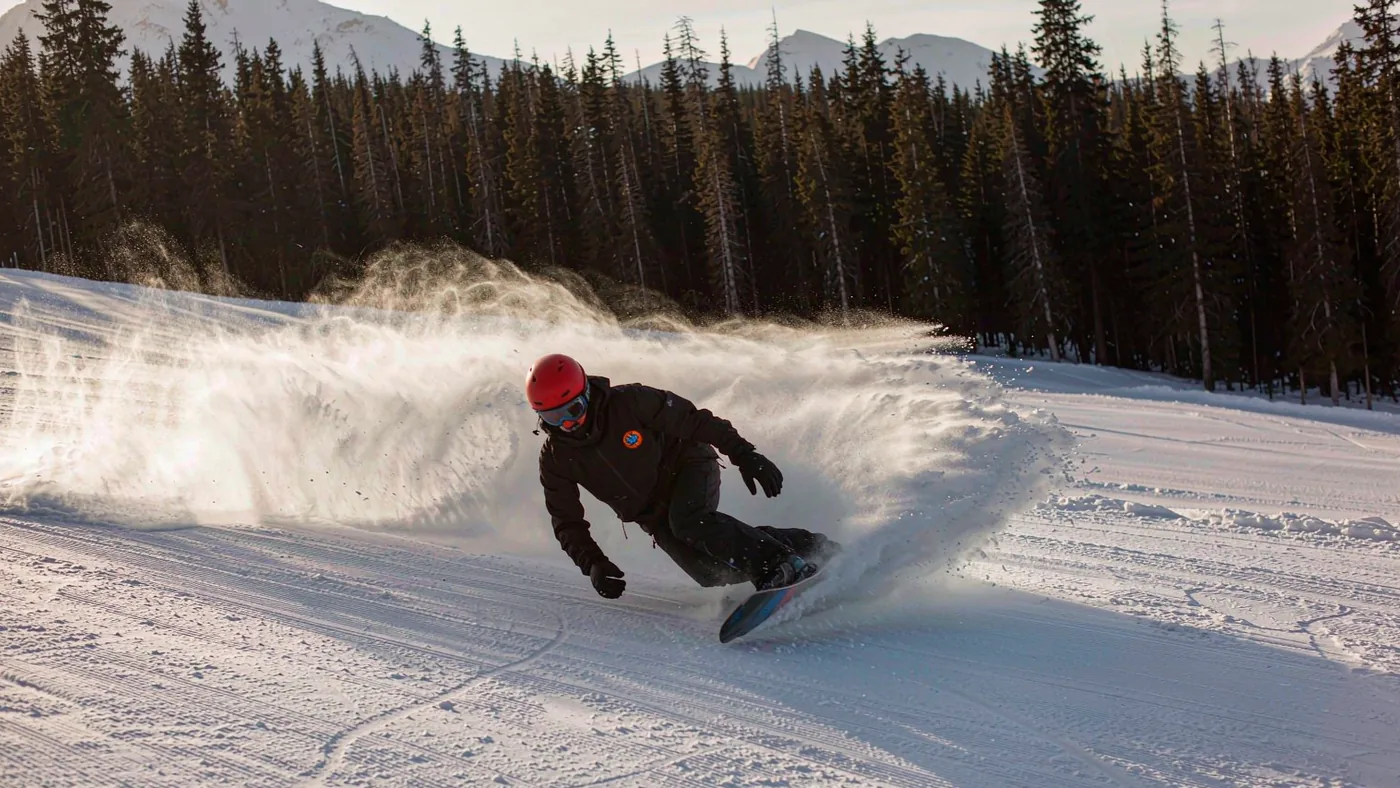
It solves the grip-versus-float argument. Traditional camber grips and dives; full rocker floats and washes out. The Mercury puts camber under your feet, where your weight and edge pressure actually are, and lifts the tips. On a firm European piste you get a real effective edge. When the snow turns soft, the rockered nose stops the board from hooking up and trying to bury itself. It is not the best of both worlds — that does not exist — but it suits a European week far better than either extreme.
It is forgiving enough to progress on. A medium flex will not fight a rider who is still sharpening their technique, and it will not collapse under a heavier one. If you are moving up from a beginner or lower-intermediate deck, the Mercury is a sensible place to arrive.
It works as a travel board. This is the most underrated quality here. If you fly with one board bag, you need a deck that is fine in tracked-out afternoon slush and fine on a hard early-morning piste, because you do not know which you are going to get. A directional twin with a medium flex and a hybrid profile is the shape that hedges that bet better than anything else.
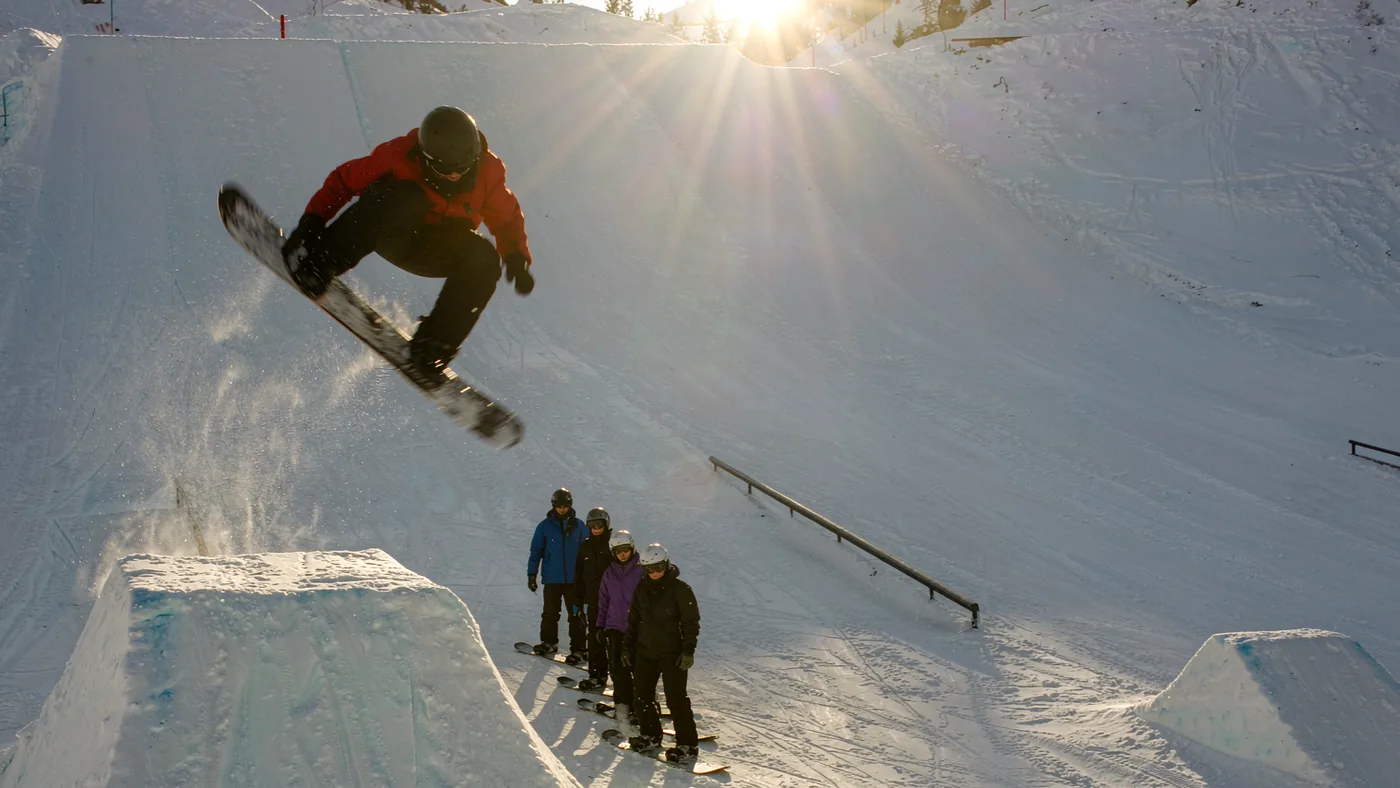
A directional twin that still rides switch. If you want to land and ride away switch, or spend time in the park without carrying a second board, the near-twin geometry means switch riding is not a compromise.
Trade-offs you should know about
The first trade-off is powder. This is not a powder board and it does not pretend to be. On a genuinely deep day the Mercury will float better than a pure camber deck, but it will not give you the effortless planing of a tapered, rocker-dominant shape. If your season is built around chasing storms, that difference is the whole point of the purchase and you should buy a specialist instead.
The second is a specific, practical irritation: the topsheet marks up fairly quickly, and rails are the usual culprit. If you spend a lot of time on park features, expect the graphic to take a beating. It does not affect how the board rides, but it does affect what it looks like when you come to sell it.
The third is damping at speed. A medium flex hybrid is a good all-rounder and not a high-speed weapon. On a long, firm, steep piste at the end of a day, a stiffer cambered board will feel more planted and more secure underfoot. Riders who treat groomers as a race track are better served by a firmer deck.
Then there is the premium pricing: you are paying for a durable layup and a well-executed hybrid profile, and neither will transform your riding if you are out for one week a year.
Who it is not for
It is not for dedicated powder riders. If the days you book your trip around are deep ones, a tapered, rocker-dominant shape will give you float the Mercury simply does not have. Buying this board for powder is buying the wrong tool.
It is not for absolute beginners. A hybrid profile with camber underfoot is less forgiving than a flat or rockered beginner deck, and a rider who cannot yet hold an edge consistently will find it harder to learn on. Start on something softer and come to this once you can link turns.
It is not for riders who want a soft park twin. If your day is rails, boxes and butters, a medium-flex board with camber between the feet will feel like work. Buy a stiffer-than-soft park deck with a flatter profile instead.
And it is not for the furthest edge of aggressive, high-speed piste riding. There, a stiff traditional camber deck is a more honest answer.
A true do-everything deck. It has enough camber to grip and enough rocker in the tips to stay relaxed when the snow gets soft.
Best for
- Riders splitting time between piste, park and side hits
- Anyone wanting a single-board quiver
Worth skipping if
- Dedicated deep-powder days
- Absolute beginners
- Profile
- Hybrid camber (camber between feet, rocker in tips)
- Shape
- Directional twin
- Flex bias
- Medium
- Intended terrain
- All-mountain / freestyle
Strengths
- Genuinely versatile across conditions
- Forgiving enough to progress on
- Works as a travel board when you fly with one deck
Trade-offs
- Not the float of a dedicated powder shape
- Top sheet scratches fairly easily on rails
Specifications reflect published manufacturer information, last checked 2026-09-28. We have not laboratory-tested this product; the assessment above is editorial, based on the published design and the rider profile it targets. How we review gear.
Verdict
The Mercury is the right buy for a rider who wants one board to cover a European week without thinking about it, and who values versatility over excellence in any single condition. It is the wrong buy if you are chasing deep powder, if you ride mostly park, or if your idea of a good day is pointing a stiff board down a firm black run at speed. Those riders should buy a specialist and accept the limits it brings.
Frequently asked questions
Is a hybrid camber profile as grippy as traditional camber?
Not quite, but it is close enough for almost every rider. Because the camber sits between the feet, you keep an effective edge under the part of the board where you apply pressure. What you lose is some of the locked-in feel towards the tip and tail. Most riders will not notice the difference outside a hard, fast carve.
Can I learn to snowboard on the CAPiTA Mercury?
It is not the ideal first board. Hybrid profiles with camber underfoot are less forgiving than flat or rockered beginner decks, and a rider who has not yet learned to control an edge will find this harder to start on. Learn on something softer, then move to this as a second board.
How does the Mercury handle a week of hard European pistes?
It handles them well, which is the point of the design. Camber between the feet gives you grip on scraped morning snow, and the rockered tips keep it from feeling twitchy when the surface softens after lunch. What it will not do is feel as composed as a stiffer cambered deck at genuinely high speed.
Should I size the Mercury differently from other boards?
No — size it from your weight using the manufacturer's range, the same as any other board. It is a directional twin rather than a volume-shifted shape, so it is ridden at conventional lengths. Between two sizes, choose on whether you want float or playfulness.
Is the Mercury a good travel board?
It is one of the better choices if you fly with a single board. A medium-flex directional twin with a hybrid profile covers hard morning pistes, tracked afternoon slush and the odd soft day without being bad at any of them. Its weakness is genuinely deep snow, where a specialist shape will always have the advantage.
Where to go next
If you are comparing this against the other big all-mountain decks, our best all-mountain snowboards round-up and the Burton Custom Camber review give you the two ends of the category.
Sort the length properly with the snowboard size chart, read up on profiles in the camber profiles guide, and pair it with a binding from our best snowboard bindings round-up before you buy. The rest of the boards archive is worth browsing for alternatives.