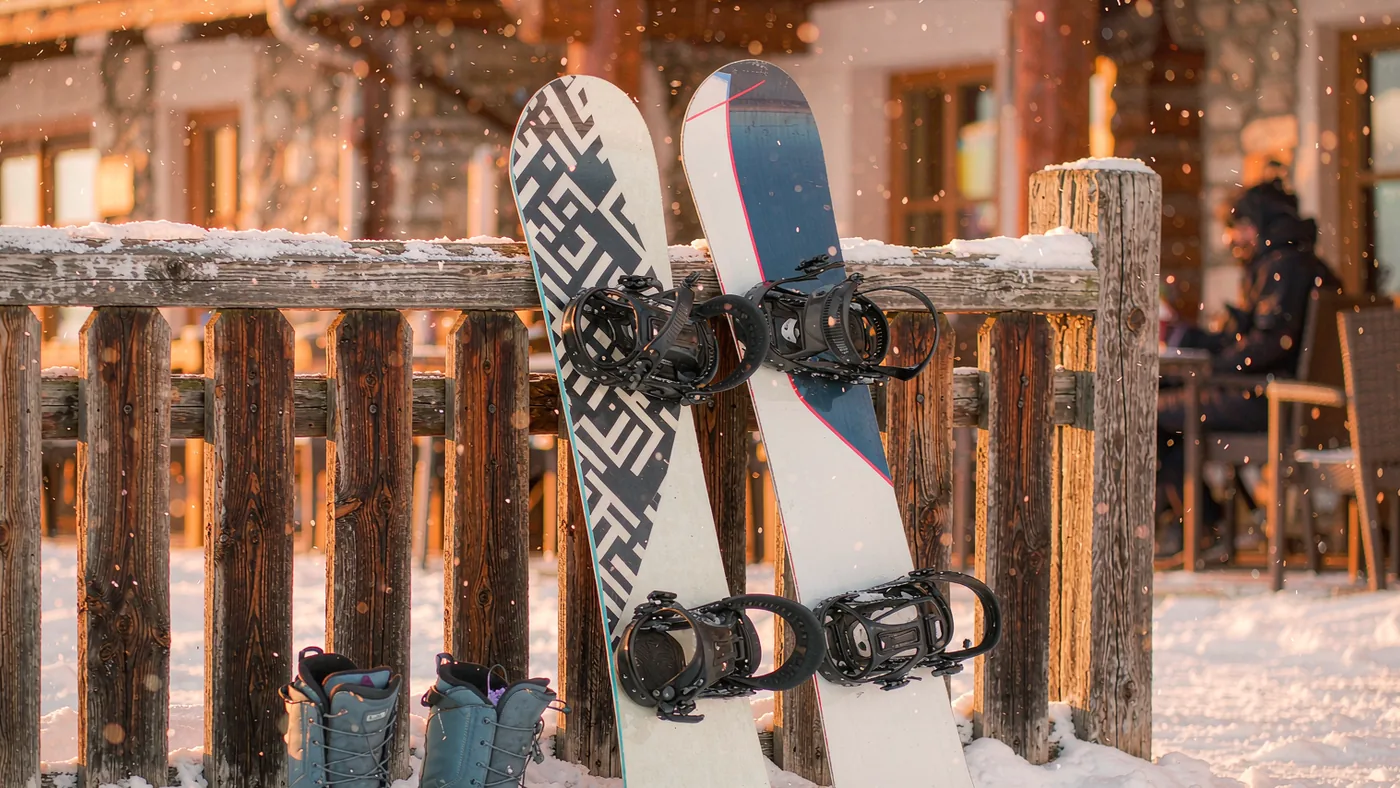
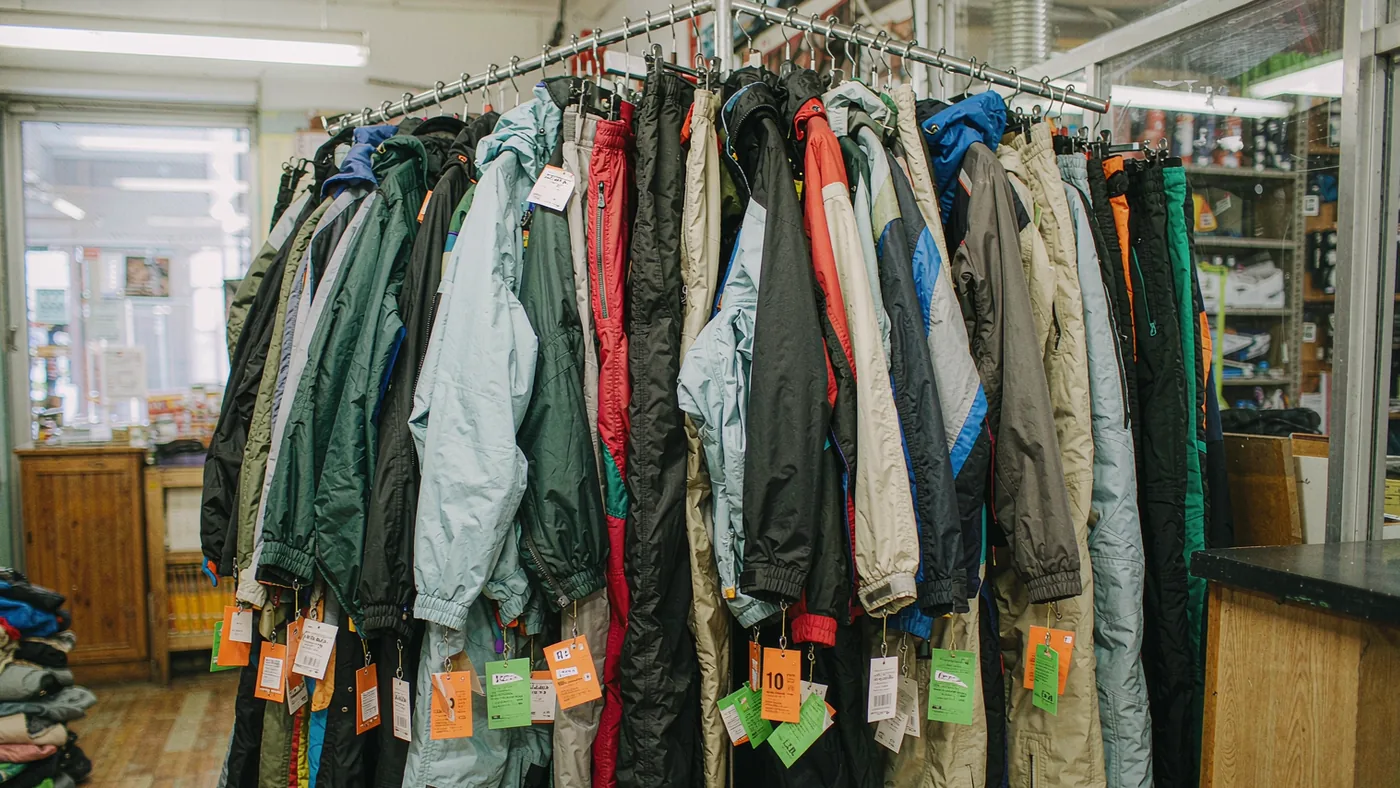
It is the second Saturday in April, the lifts above the resort close in a week, and the shop by the bottom station has moved everything onto a rack in the doorway. Jackets in two colours nobody wanted in December, boots in the sizes that did not sell, and four boards leaning on a rail with hand-written tags. It is genuinely the cheapest the gear will be all year. It is also the point at which the size you actually needed went out of stock six weeks ago.
That tension is the whole subject. Snowboard gear follows a predictable discount calendar, and the calendar is driven by the trade-off between how much you save and whether the thing you want still exists in your size. Knowing the rhythm lets you decide which side of that trade-off you are on.
The shape of the season
September to October. New-season stock lands and the shops begin competing before anybody has snow. Pre-season sales and bundle deals are the most common form of discount here, and they are usually on current-season gear with a modest reduction. What you are buying is choice: every size, every colour, and a full season of riding ahead of you.
November to early December. The pre-Christmas push. Discounts on clothing and accessories are common, and there is usually one promotional weekend late in November that every retailer joins. Boots begin to sell through in the popular sizes.
January. The quiet window. Christmas is over, half term has not arrived, and shops that over-ordered in the autumn start trimming prices on the gear they are carrying too much of. This is often the best moment for mid-range boards and bindings, and stock is still reasonable in common sizes.
February to mid-March. The busiest weeks of the European season. Half term across several countries empties the shelves and nothing gets cheaper. If you need something now, you pay for it, and this is exactly the moment when a repair service or a spare part is most useful, which is why binding care and a mid-season wax matter more than shopping.
Late March to April. The clear-out. Resort shops and online retailers alike are running down winter stock before summer, and this is where the largest reductions appear, on the widest range of categories. It is also where the size run is at its thinnest.
May to August. Leftovers, and a second wave of clearance online as warehouses are emptied. Odd sizes, last-season graphics, and a long wait before you can ride whatever you buy.
| Window | What tends to be reduced | What tends not to be | Stock risk | Best for | Watch out for |
|---|---|---|---|---|---|
| September–October | Current-season bundles, modest discounts | The newest boards and flagship models | Very low | Buying exactly what you want | Paying full price for something discounted in January |
| November–December | Clothing, goggles, accessories | Popular boot and board sizes | Low to moderate | Outerwear and gifting | Promotional weekends that are smaller than the advertising suggests |
| January | Mid-range boards, bindings, boots that did not sell | Current-year popular models | Moderate | Mid-range kit for the rest of the season | Buying for a board you do not own yet |
| February–mid March | Almost nothing | Everything | Stock runs out | Nothing — this is a maintenance month | Paying a premium because you have no alternative |
| Late March–April | Boards, boots, clothing, ex-demo and rental fleet | Nothing much | High — sizes go first | Buying a season ahead | Leftover sizes and the last colour in the range |
| May–August | Whatever is left online | — | Very high | Deal hunters with flexible requirements | Buying gear that then sits for six months |
A description of how the retail season normally behaves in Europe rather than any measured discount data, last checked 28 September 2026. Individual retailers set their own calendars and the picture varies by brand and country.
What actually gets discounted
Boots. Boots are the most heavily discounted category for a simple reason: they are sold in a full run of sizes and the extremes — very small and very large — barely sell. If you have small or large feet, waiting is usually rewarded. If you are in the middle of the range, your size is the one that disappears first.
Clothing and accessories. Jackets, pants, gloves, goggles and base layers are seasonal fashion items as much as technical ones, and colours are replaced every year even when the construction is identical. Late-season outerwear is where the biggest genuine savings sit, with the least risk, because fit matters less precisely than it does with boots.
Last-season boards in the sizes nobody wanted. Boards in the middle of the popular length range sell out early. What is left in April is usually the very short and the very long lengths, sometimes with wide or narrow waists in the wrong combination for your boots. Our guide to reading a spec sheet is worth having open before you buy a discounted board whose geometry you have not checked.
Ex-demo and rental fleet. Resort shops and larger retailers sell off their demo boards and hire fleets at the end of the season. These are ridden hard, but a shop-maintained demo board usually has a decent base and edges, and the discount is real. Inspect it exactly as you would any second-hand purchase.
What almost never gets discounted
The current year's most wanted boards, in the popular sizes. A board with a waiting list at full price in December will not be reduced in April in 158 cm. The demand curve does not care about the calendar.
New releases and new technology. Anything launched in the autumn holds its price through the season, because the shops willing to discount it do not have it yet.
Bindings, relative to boots and clothing. Bindings sell in three or four sizes rather than a full run, hold their value across seasons, and are usually the category with the smallest reductions and the longest shelf life. If you need bindings, waiting saves less than you would expect.
The real risk of buying late
Sizes are gone, not just the colours. This is the risk that matters. A discount on a boot that is half a size wrong is a discount on a boot you will not enjoy, and boots are the one item where fit beats savings every time.
You are committing to last season's geometry. Usually that is fine — most annual board updates are graphic and minor — but occasionally a shape, flex or profile changes meaningfully, and a clearance board may be two generations behind rather than one.
Short warranty windows in practice. Buying in April often means the gear sits unused for six months, so any manufacturing fault surfaces long after the purchase rather than during the trip.
Discounts make bad decisions easy. The most common expensive mistake is buying the wrong size or the wrong board because it was reduced. A cheaper mistake is not a cheaper purchase.
Verdict
If you are buying boots, if you wear a common size in anything, or if you need the gear for a specific trip with a fixed date, buy when you find the right thing rather than when the calendar is cheapest. Riders who should absolutely wait are those at the extremes of size, anyone buying outerwear or accessories, and any rider willing to accept last season's graphics to move up a band in quality. The plan that fails is buying in April for a trip in December and discovering in November that the boots are wrong.
Frequently asked questions
What is the cheapest month to buy snowboard gear?
Late March and April, when shops clear winter stock before summer, followed by the online leftovers in May and June. January is the next best window, and it usually offers a better choice of sizes than the spring clear-out does.
Do snowboard prices drop before Christmas?
Clothing, goggles and accessories usually do, particularly around a promotional weekend in late November. Boards and boots are discounted less, because that is when the season is starting and demand is high rather than when shops are trying to clear stock.
Should I buy boots in the end-of-season sale?
Only if the size is right. Boots are the most heavily discounted category because the size extremes do not sell, and a wrong-sized boot is a bad purchase at any reduction. If you find your size in a boot that fits properly, the April sale is genuinely the best time to buy it.
Why are wide and narrow boards so cheap in April?
Because they are made in small runs and sell to a smaller group of riders. Retailers end the season holding the widths and lengths they could not shift, so a rider with narrow feet or a very large boot can do unusually well in the spring.
Where to go next
Before you buy anything on a discount tag, decide what your setup should actually be: the first setup guide sets the order of priorities and how much to spend explains what each band buys. If you are still weighing hire against ownership, buying versus renting covers year one.
For the retail side, where to buy snowboards in the UK compares the routes, and what a first season costs puts kit in its place against lessons and travel.