There is a specific kind of afternoon in the Alps that separates bindings from one another. It is two o'clock, the sun has been off the slope since noon, the morning's soft snow has been scraped back to something grey and glassy, and the last run down to the village is a corridor of frozen footsteps and ice patches. Riders on firm, direct setups are standing up tall between turns, knees stiff, taking the chatter in their joints. Riders on something damper are sitting lower and looking considerably less tired.
The Burton Cartel is built for the second group. It is the mainstream all-mountain binding for riders who want the mountain to feel less harsh underfoot, and it does that job by giving away a small amount of the directness that makes the crispest bindings feel so sharp on a hard morning.
What damping actually is
Damping is not the same as softness, and the two get muddled constantly in binding descriptions. Softness is how far the frame moves when you push it. Damping is how quickly it stops vibrating once it has been disturbed.
A binding that is stiff and undamped passes every lump of refrozen crud straight through to your boot. That is what makes a firm binding feel vivid on fast, smooth pistes and unpleasant three hours later. A binding with a cushioned baseplate absorbs some of that high-frequency chatter before it reaches you, so the ride stays calmer without the frame becoming vague in a turn.
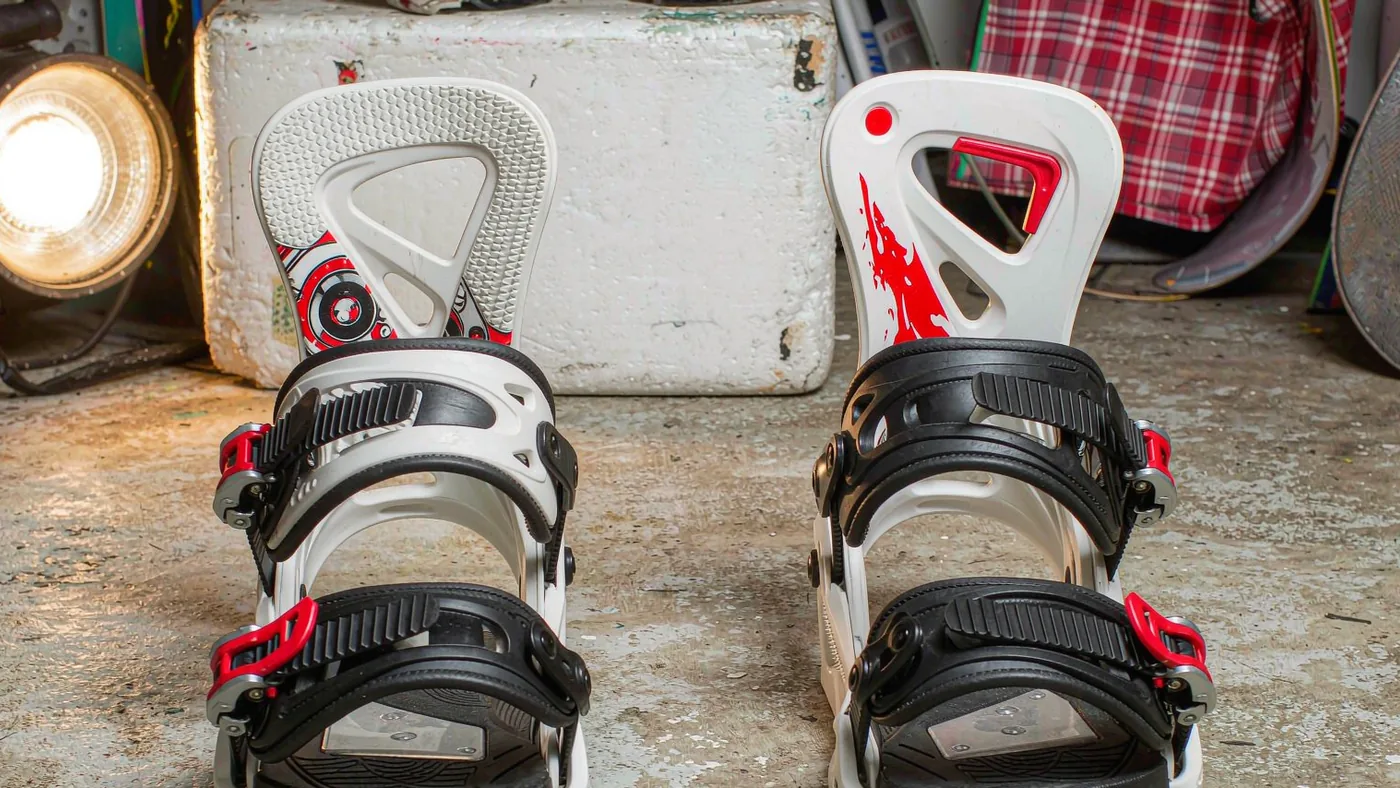
The Cartel sits in the middle of that idea. Published flex is medium-soft, which is one step below a medium all-mountain binding, and the baseplate is cushioned rather than raw. The effect on a hard European piste is noticeable in the legs rather than in the stopwatch. You do not go faster. You finish the day less worn out, and the difference between those two things matters if you are riding seven days in a row.
Who benefits most
Riders with knee, ankle or shin trouble. This is the clearest case for the Cartel. If you have finished days early because your joints have had enough, a binding that filters chatter is not a luxury. It is the single cheapest change you can make to a setup that is otherwise fine.
Riders on refrozen or scraped pistes. European resorts below about 1,600m spend a lot of the season on hard, chattered surfaces, particularly on the runs back to the village and anything north-facing. That is exactly the snow the Cartel is designed around.
Lighter riders on firm boards. A 60kg rider on a stiff deck has to work hard to bend the board at all, and a firm binding adds another layer of resistance. A medium-soft, damped binding makes the same board feel more cooperative without changing the board.
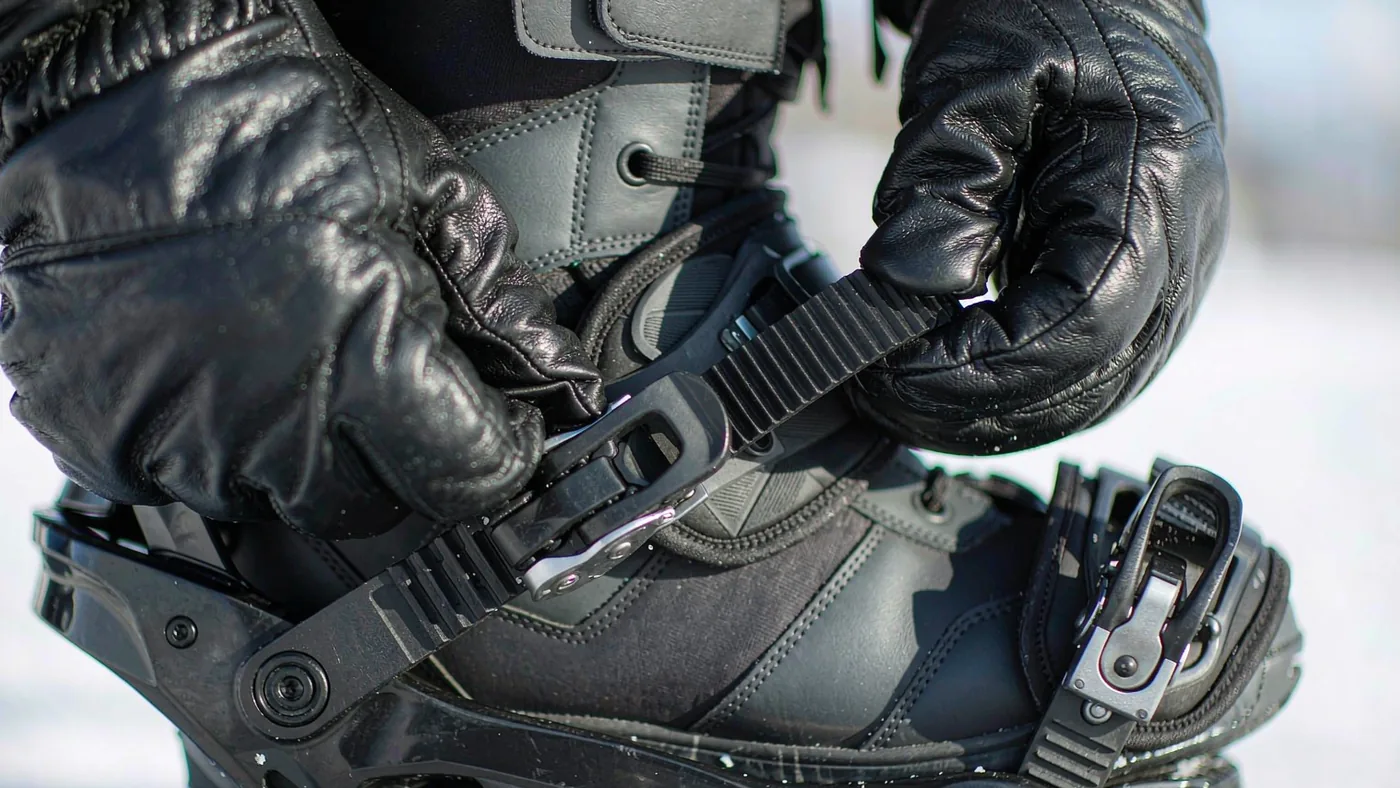
Riders who want comfortable straps. The Cartel's strap geometry works over thicker boots and wider feet, which matters if you have ever had an ankle strap press into the top of your foot or bunch under the instep.
What you give up
Honesty first: on a very firm, very fast piste, the Cartel is not the most direct binding in its tier. You can sense a small amount of your input going into the binding rather than into the edge. On a smooth groomer at speed, that fraction is the difference between a turn that feels instant and a turn that feels almost instant.
For most recreational riders that gap is imperceptible. For a heavy rider on a stiff board asking for maximum precision on hardpack, it is the reason to choose a firmer binding instead. The distinction is not quality; it is character, and it is the same trade every damped binding makes.
There are two further caveats worth stating plainly. The first is price: the Cartel is published above the cheapest competitor options in its class, and if the budget is genuinely tight, a mid-range binding from another brand will do the same job for less. The second is that a damped binding will not fix a setup that is wrong elsewhere. If your boots are too soft or half a size too big, no baseplate will rescue the ride.
The pick
A softer-edged, more forgiving ride than the Union Force. If you want the mountain to feel slightly less harsh underfoot, this is the one.
Best for
- Riders who prefer a damped ride
- Joint pain on hard European pistes
Worth skipping if
- Budget builds
- Riders wanting the stiffest possible response
- Flex bias
- Medium-soft
- Intended terrain
- All-mountain
- Mounting
- Channel and standard discs
Strengths
- Noticeably smoother on icy, chattered snow
- Comfortable straps, even over thicker boots
- Fits a very wide range of boards
Trade-offs
- Slightly less direct than a stiffer binding
- Priced above the cheapest competitor options
Specifications reflect published manufacturer information, last checked 2026-09-28. We have not laboratory-tested this product; the assessment above is editorial, based on the published design and the rider profile it targets. How we review gear.
How they compare
The useful comparison for a single binding is not against a rival, it is against rider types. The Cartel suits some very well and others not at all.
| Rider profile | What they ride | Does the Cartel suit | Main benefit | Main cost |
|---|---|---|---|---|
| Rider with knee or shin pain | Any groomed terrain | Yes | Chatter is filtered before it reaches your joints | A little less feedback about the snow surface |
| Lighter rider on a stiff board | Piste and soft snow | Yes | The softer frame lets a light rider bend the board | Not the most precise option at speed |
| Intermediate rider averaging a week or two a year | Mixed piste | Yes | Forgiving and comfortable with no handling penalty | Firm riders may want more edge feedback |
| Aggressive piste rider on a stiff deck | Fast groomed runs | Marginal | Comfortable over long days | Slightly less direct than a firm binding |
| Rider who wants the stiffest possible response | Hardpack and race-style carving | No | — | The flex is deliberately softer than that job needs |
| Rider on a tight budget | Anything | No | — | Published above the cheapest competitors in its class |
Rider profiles and character notes are editorial judgements drawn from published manufacturer specifications and established rider consensus, not measured results. Published specifications, last checked 28 September 2026.
Living with it
The Cartel is a low-maintenance binding in the way that matters. The parts that wear are the straps and ladders, and both are replaceable without specialist tools. The mounting hardware covers two systems, so a change of board does not force a change of binding. The baseplate and heelcup are not the lightest in the category, and a rider hauling a board bag through an airport will notice the difference more than a rider clicking in at the lift.
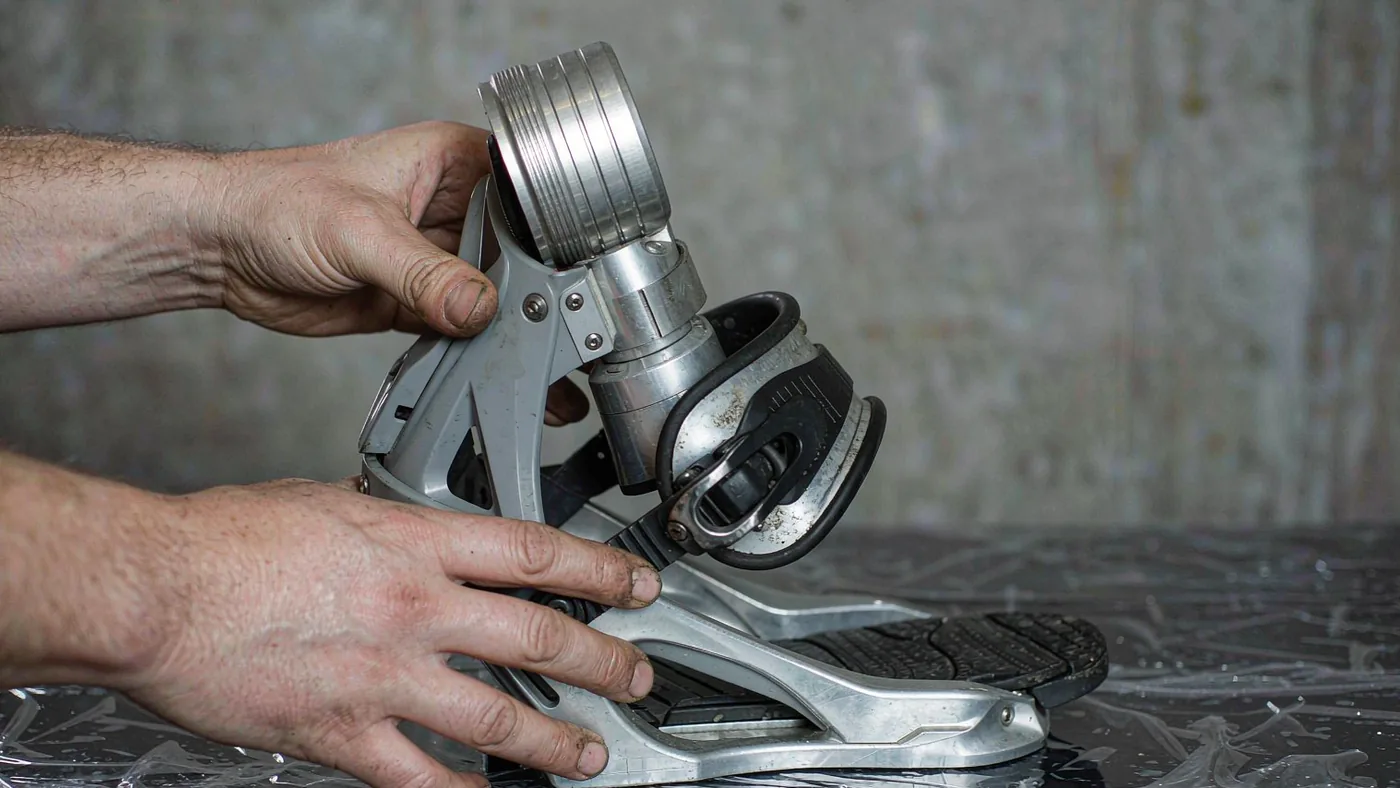
Servicing one that has been stored for a season is a ten-minute job. Check the ratchets through their full travel, look for cracks across the tooth line on the ladder straps, and inspect the baseplate around the mounting holes before you tighten anything. Then check the mounting bolts again after the first morning of the trip, because bindings settle as the board and the baseplate bed in against each other.
Verdict
If you want the sharpest possible connection to the edge on hard, fast pistes, and you ride a stiff board aggressively, the Burton Cartel is the wrong binding — the Union Force is firmer and will feel more direct under exactly those conditions. Nor is the Cartel the right buy if money is tight, since it is published above the cheapest options in its class. The Cartel is for the rider who wants to ride a full day without their knees filing a complaint, and for them the trade is worth making.
Frequently asked questions
Is the Burton Cartel softer than the Union Force?
Yes. Published flex descriptions put the Cartel at medium-soft and the Force at medium, and the gap is noticeable underfoot on hard snow. The Cartel is the damper, more forgiving of the two; the Force is the firmer, more direct one. Both are described by their manufacturers as all-mountain bindings.
Will the Cartel fit a non-Burton board?
Yes. It ships with hardware for both the channel and standard insert patterns, so it mounts to almost any board. That is one of its practical advantages, and it matters if you swap boards, borrow one for a trip, or plan to change brands later.
Does a softer binding make the board less responsive?
Slightly, and only at the top of the range. A medium-soft, damped binding absorbs a small amount of your input along with the chatter, so a very fast piste at high speed feels fractionally less immediate. Below that level the difference is not something most riders can feel.
Is the Cartel good for a heavy rider?
It depends on how aggressively you ride. A heavier rider who cruises and wants comfort will be very happy with it. A heavier rider who charges on a stiff board will flex a medium-soft binding further than intended, which costs edge support, and a firmer binding is the better match for that style.
What should I check before buying a used Cartel?
Look at the ladder straps for cracks across the teeth, work each ratchet through its full travel, and inspect the baseplate and heelcup for hairline cracks around the mounting holes. Then confirm the box includes discs for both mounting systems, because replacements are an extra purchase that changes the value of the deal.
Where to go next
If you are choosing between the two obvious options, the Union Force vs Burton Cartel comparison sets them against each other properly, and the best snowboard bindings round-up shows where the Cartel sits in the wider category. Riders still working out how much stiffness they want should read the binding flex explainer.
Before you buy, confirm the fit with the binding sizes guide, then get the angles and highback lean right with the binding setup guide.