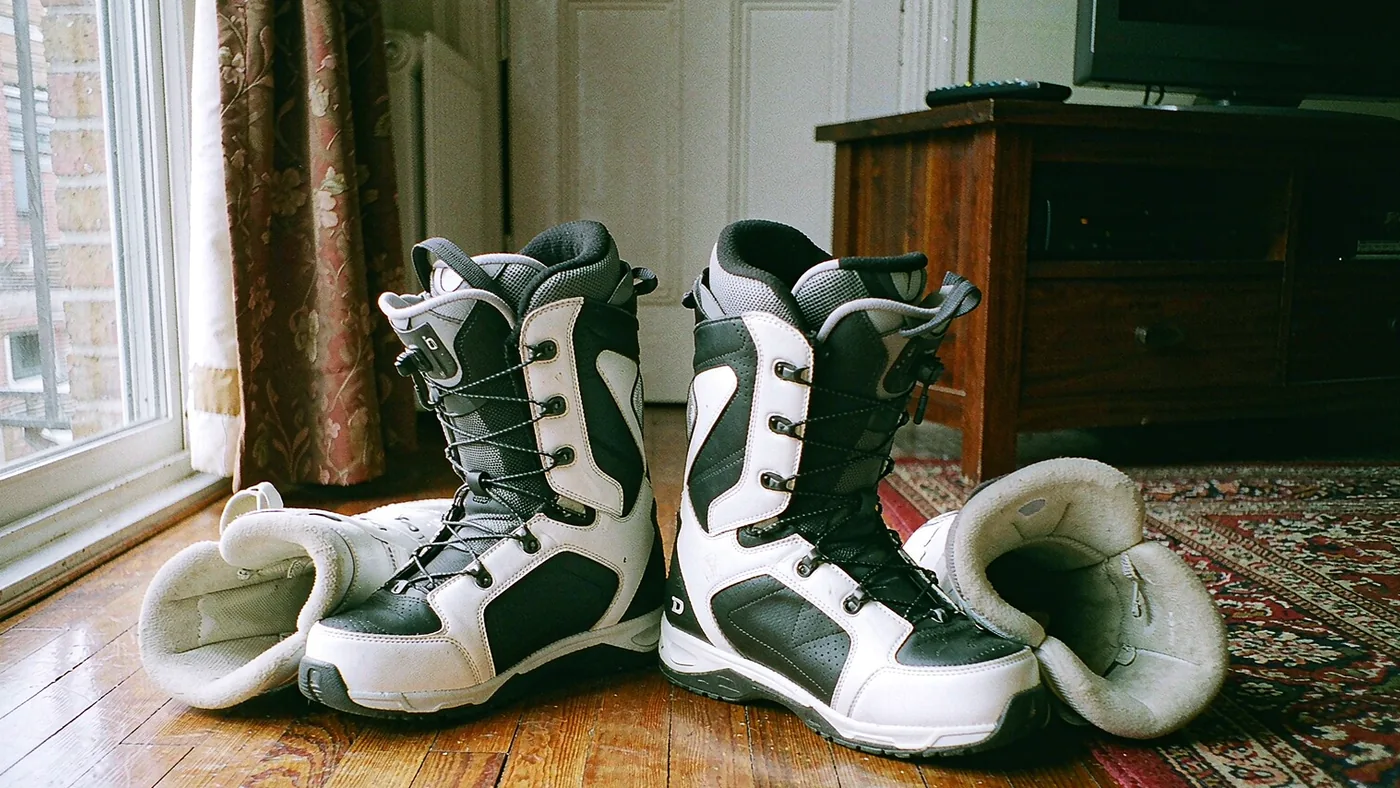
New boots hurt, and everyone tells you it gets better. Sometimes that is true, and sometimes it is the most expensive piece of advice in snowboarding, because the version of "it gets better" that involves riding through the pain is how riders end up with black toenails, bruised insteps and a pair of boots that go on a shelf in April.
The confusion comes from a word. Boots do not break in the way a leather walking boot breaks in: the shell does not soften into a new shape. What happens is that the liner — the padded inner boot you can pull out and hold in your hands — compresses and moulds around the bony parts of your foot. In a heat-mouldable liner that happens faster and more completely; without one, it happens slowly and less completely.
That distinction decides everything. If a pressure point sits where the liner is thick and the shell has room, riding will fix it. If it sits where the shell is pressing directly on a bone, riding will make it worse, and no amount of patience will help.
The realistic timeline
For a boot with a heat-mouldable liner that has been properly moulded before you fly, most of the shaping is done within the first three or four days on snow. The remaining settling — the liner compressing under the ball of the foot and behind the heel — takes roughly ten to fifteen days of riding in total.
For a boot without a mouldable liner, expect the same process to run slower and finish less well, leaving the fit slightly looser in places and slightly tighter in others.
Cold changes it. Liners are firmer in the cold, so a boot that felt fine in a warm shop feels tighter in the first hour of a February morning and settles as it warms on your foot. That is not a reason to buy a bigger size.
What to do at home before you fly
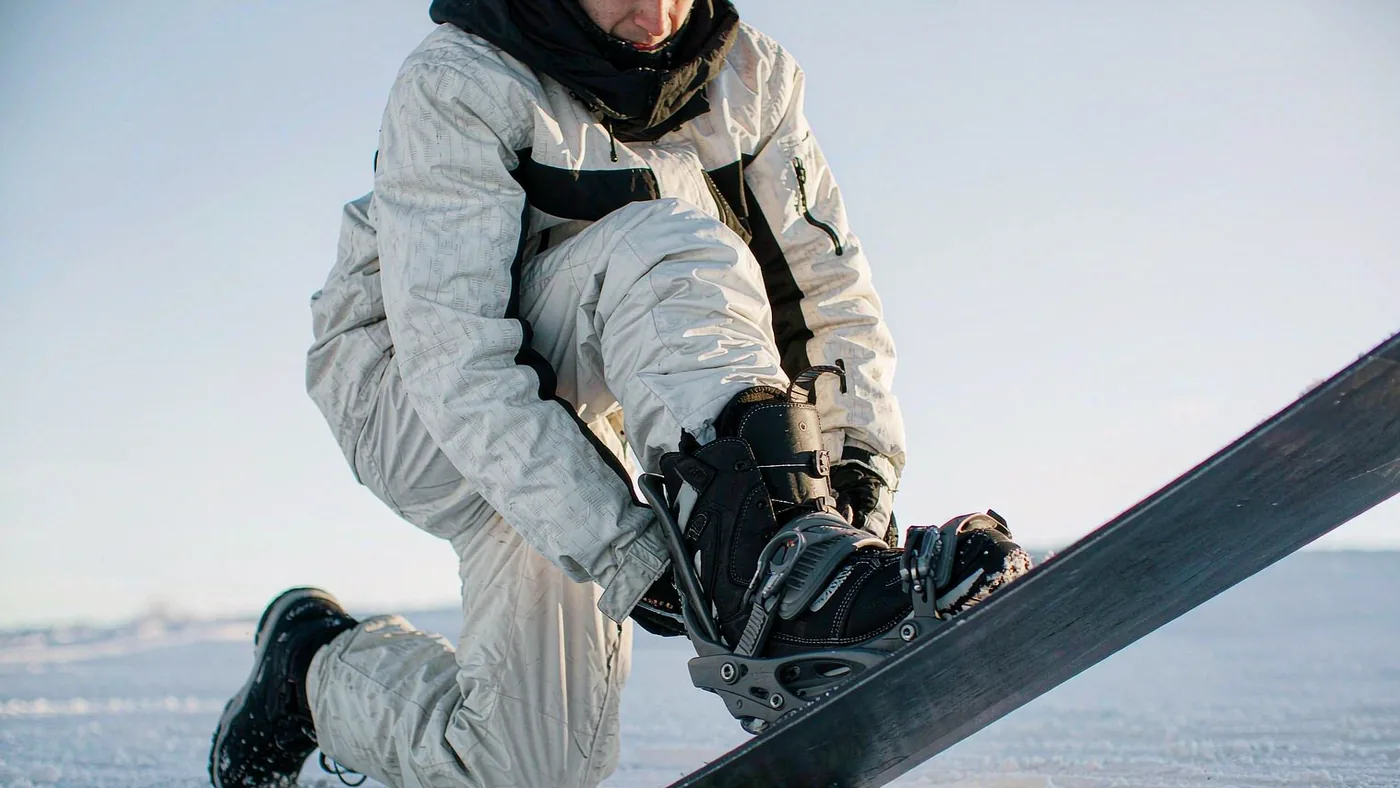
Wear them indoors, with the socks you ride in. Twenty minutes at a time, two or three times a day, is enough to start the liner moving, with the laces at riding tension rather than finger-tight.
Mould the liners if they are mouldable. Most shops do this when you buy, and it is the highest-value thing you can do before a trip. It makes the liner conform to your foot rather than to a machine's idea of a foot, and it turns most break-in discomfort into a non-event.
Check the footbed. Many boots ship with a thin, flat, generic footbed. Replacing it with one that supports your arch changes how your foot sits in the shell and often removes instep pressure on its own. It is the cheapest fix here and the most overlooked.
Do not cook them. Oven and hot-water methods get passed around every season and go wrong every season. Have liners moulded with the equipment the manufacturer intends, at the temperature they were designed for.
The picks
A supportive boot that will still be worth wearing once you can ride properly. Good if you only want to buy boots once.
Best for
- Improving riders who want support
- Riders with an average-width foot
Worth skipping if
- Absolute beginners
- Riders wanting maximum softness
- Flex bias
- Medium-stiff
- Lacing
- Quick-pull lacing
- Intended terrain
- All-mountain
Strengths
- Supportive without being brutal
- Lasts several seasons
Trade-offs
- Firmer than a beginner wants
- Costs more than an entry boot
Specifications reflect published manufacturer information, last checked 2026-09-28. We have not laboratory-tested this product; the assessment above is editorial, based on the published design and the rider profile it targets. How we review gear.
A comfortable, mid-flex boot that suits riders splitting time between park and groomers. Wide-ish fit and a reputation for lasting.
Best for
- Park and piste riders
- Riders who want one boot for everything
Worth skipping if
- Riders wanting a very stiff freeride boot
- Very narrow feet
- Flex bias
- Medium
- Lacing
- Traditional laces
- Intended terrain
- All-mountain freestyle
Strengths
- Comfortable immediately, no long break-in
- Holds up over multiple seasons
- Versatile flex for most riders
Trade-offs
- Neutral fit suits average-width feet best
- Not the lightest option
Specifications reflect published manufacturer information, last checked 2026-09-28. We have not laboratory-tested this product; the assessment above is editorial, based on the published design and the rider profile it targets. How we review gear.
Hot spots: normal versus wrong size
This is where most riders guess, and guessing wrong costs a whole trip. The practical test is not how much it hurts but where it hurts and what it does over the course of a morning.
| Pressure point | Likely cause | Normal or wrong boot | What helps | What does not help |
|---|---|---|---|---|
| Sides of the forefoot, both feet, by mid-morning | Shell too narrow across the ball of the foot | Wrong boot for your foot shape | A wider last, or a boot built for volume | Going up a length, thinner socks |
| Toes hitting the front on toe-side turns | Boot too long, foot sliding forward | Wrong size | A shorter length with the right width | Lacing harder, thicker socks |
| Heel lifting on the traverse | Heel pocket or volume mismatch | Wrong boot | A lower-volume boot, or a better footbed | Tightening the top lace to the point of pain |
| Shin pressure from the tongue | Forward lean or lacing over-tightened | Usually normal, sometimes technique | Loosening the upper zone, adjusting highback lean | More riding in the same tightness |
| General tightness everywhere in the first hour | Liners firm when cold | Normal | Letting the boot warm up on your foot | Buying a bigger size |
| One specific spot on a bone that never improves | Shell pressing directly on bone | Wrong boot | Moulding if the shell allows, or a different model | Riding through it, padding over it long term |
Break-in behaviour, timelines and pressure-point causes are editorial judgements based on published boot constructions and established fitting practice, not measured results. Published specifications, last checked 28 September 2026.
Fixes that work and fixes that hurt
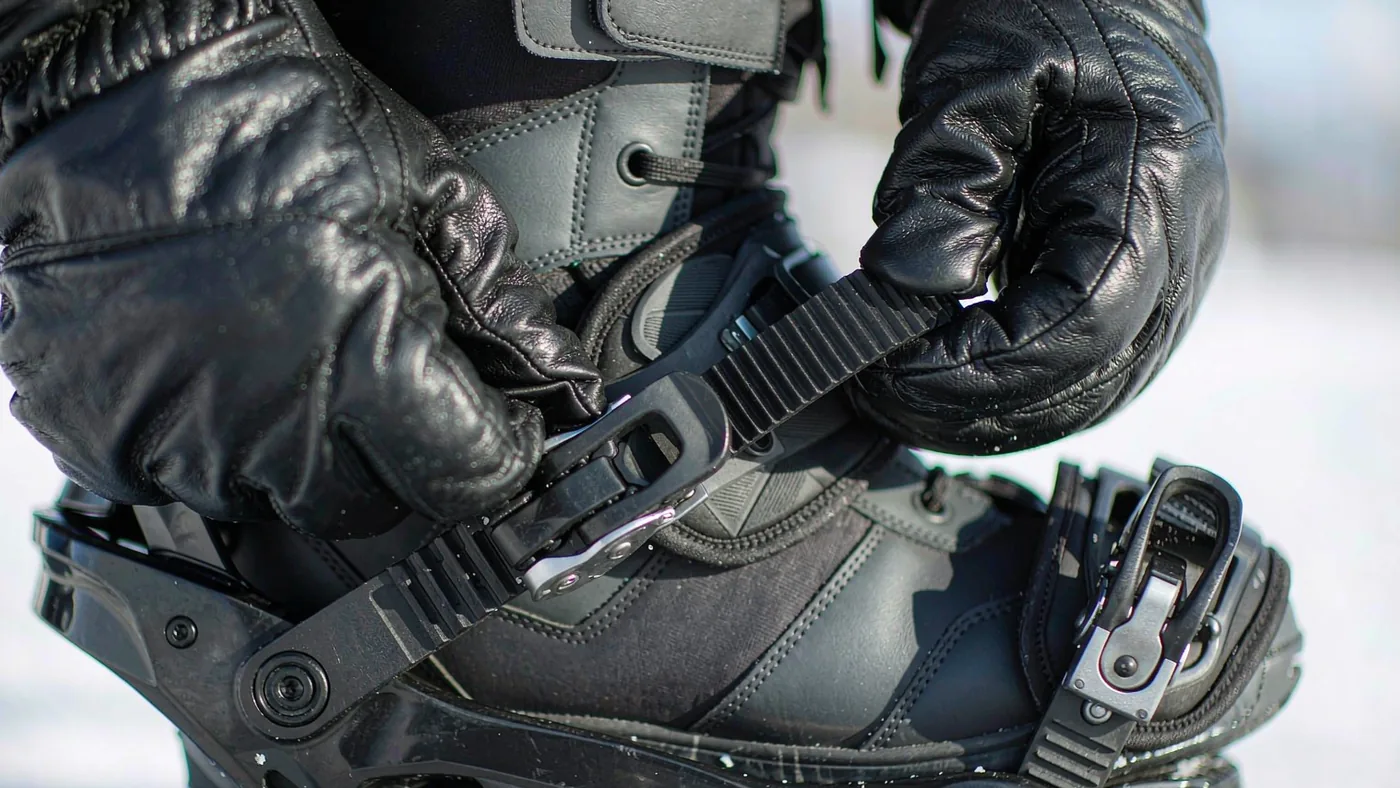
What works. Moulding a mouldable liner. Replacing a flat footbed with a supportive one. Adjusting the lacing zones so the upper is snug and the instep is not crushed. Wearing single-layer, properly fitted socks rather than layering two pairs, which is the most common cause of a boot that suddenly feels tight. Heat-stretching a single pressure point at a boot fitter, if the shell allows it.
What hurts. Going up a size to fix a width problem, which adds length, lets your foot slide, and turns a sore forefoot into a sore forefoot plus black toenails. Padding over a pressure point long term, which hides the symptom while the shell keeps pressing. Riding through a sharp, localised pain on the theory that the boot will give, because shells do not give where the liner has already compressed.
What good boots look like after the process
The sign that the process has finished is not that the boots feel loose. It is that the heel stays put, the toes can move without hitting the front, and there is no single point you can identify with your eyes closed. A boot in that state will hold it for several seasons before the liner packs down and the shell starts to feel big.
That is the argument for buying the best-fitting boot you can rather than the cheapest, and for treating it as the priority ahead of the board and the bindings. A supportive, mouldable liner — the K2 Maysis is the common example for average-width feet — lasts several seasons and still supports your riding once you can use that support, though it feels firmer from day one than a soft beginner boot.
Verdict
If your pressure point is one specific spot on a bone and it has not moved after five or six days of riding, stop. That boot is the wrong shape for your foot, and it will not reshape itself. Return it if you can, or have a fitter punch the pressure point, and start again with a boot built on a wider or lower-volume last. Firm boots suit riders who want support and who fit the brand's last; they are the wrong purchase for anyone with a foot shape the shell was never built around.
Frequently asked questions
How long do snowboard boots take to break in?
With a properly moulded heat-mouldable liner, most of the shaping is done in the first three or four days of riding. The liner continues settling for roughly ten to fifteen days on snow in total. Boots without a mouldable liner take longer and never quite finish, which is why the liner construction is worth paying attention to when you buy.
Should I buy boots a half size bigger to allow for break-in?
No. A snowboard boot should fit snugly with the toes touching the front lightly, because the liner packs down and creates that room itself. Buying half a size up to accommodate a break-in period produces a boot that becomes too big after two weeks and lets your heel lift for the rest of its life.
Can I break boots in without going snowboarding?
Yes, partially. Wearing them indoors in your riding socks, with the liners laced to riding tension, starts the liner moulding and surfaces pressure points before you travel. It will not replace the flexing that ten days on snow provides, but it removes most of the discomfort from the first morning of a trip.
Will my boots get tighter on a cold day?
Liners firm up in the cold and loosen as they warm on your foot, so the first hour of a February morning will feel tighter than the afternoon did. That is normal and it resolves itself within about twenty minutes of riding. It is not a reason to change size, but it is a reason not to overtighten before you leave the apartment.
Do thin socks make boots fit better?
They make boots fit tighter, which is the point. A single thin, seamless, well-fitted sock removes bulk and pressure from the forefoot, and it reduces the friction that causes blisters. Two pairs of socks is the single most common cause of a boot that suddenly feels too small on holiday.
Where to go next
If the boot is genuinely the wrong shape rather than unbroken-in, start with the wide feet boot round-up or the narrow feet option, and read our size versus shoe size guide before you order anything online.
Stiff vs soft snowboard boots covers how much support to buy once the fit is right, and the binding flex explainer explains how to match a binding to the boots you end up with.