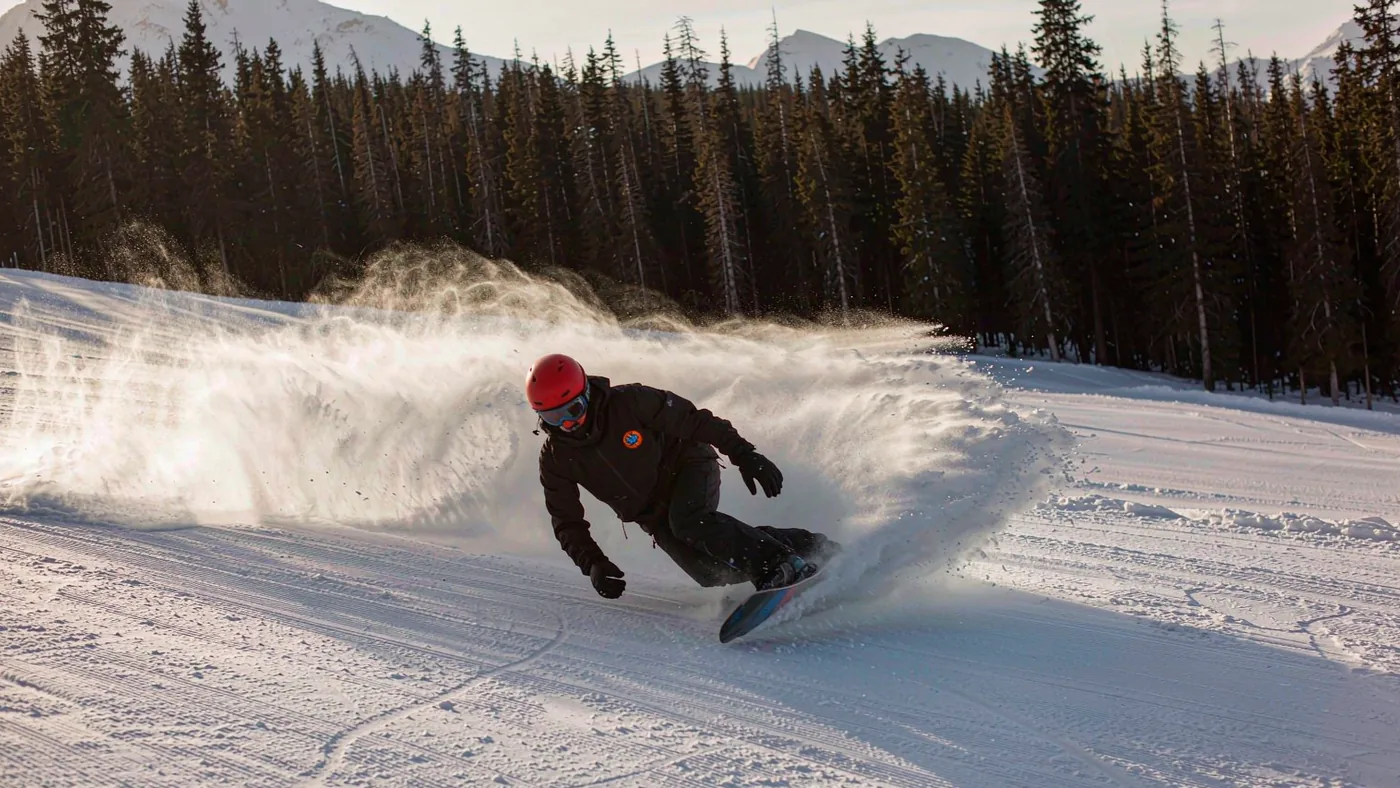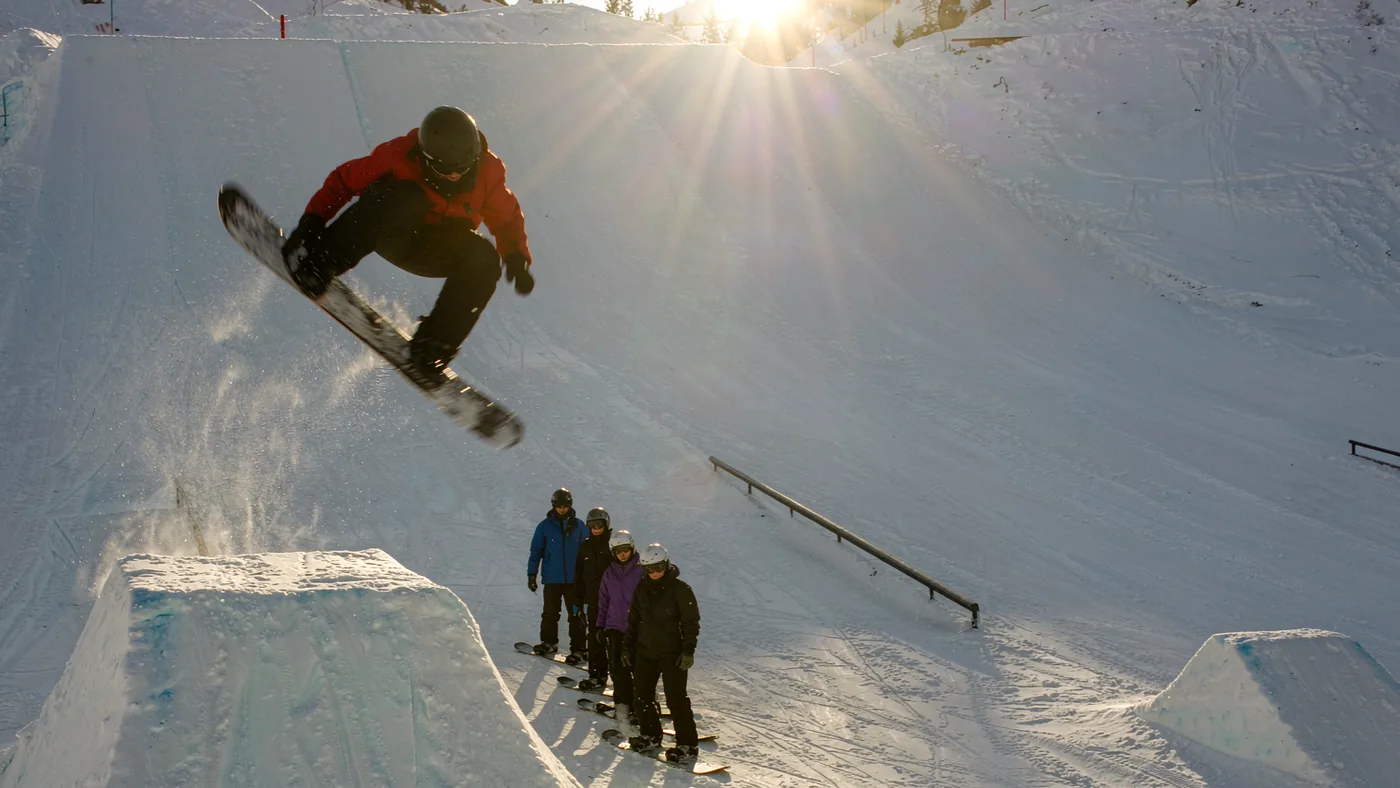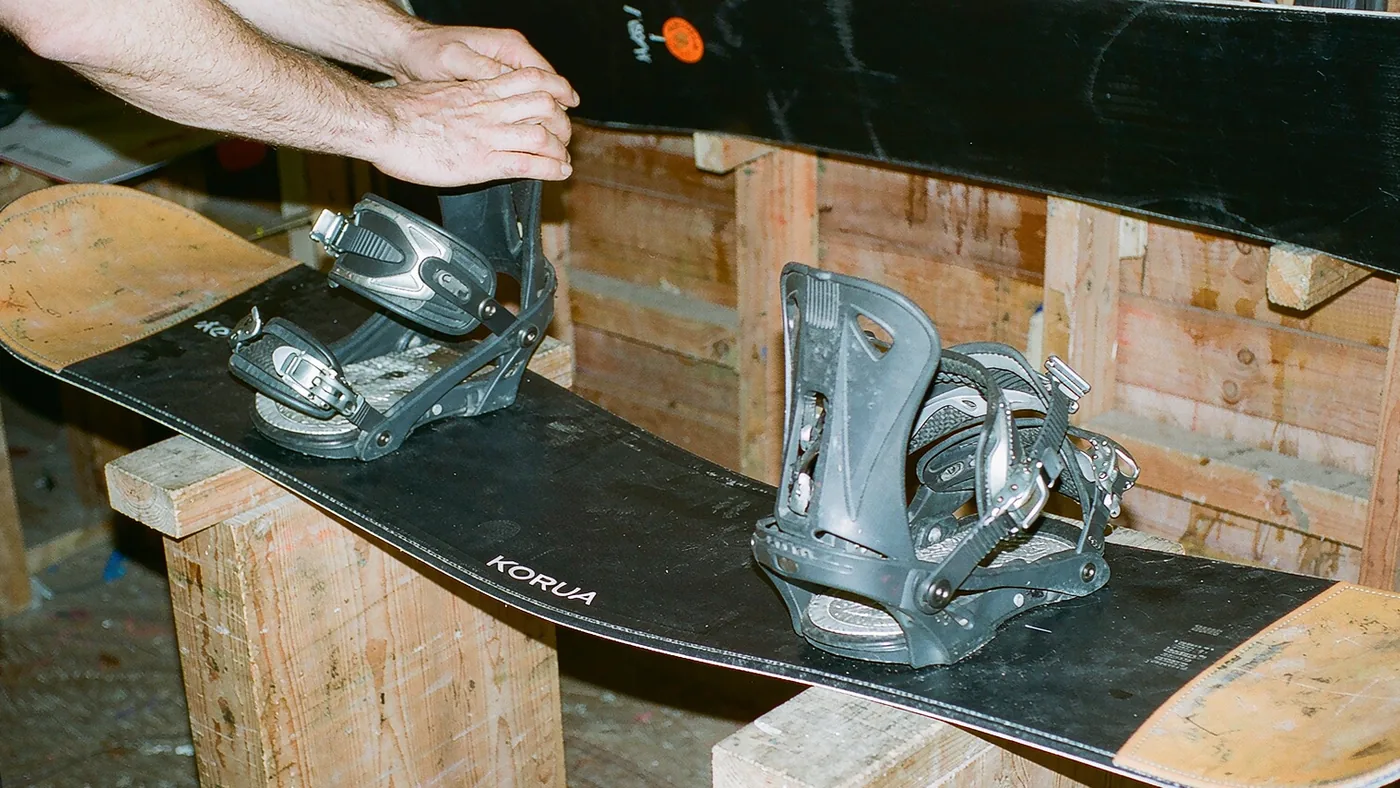
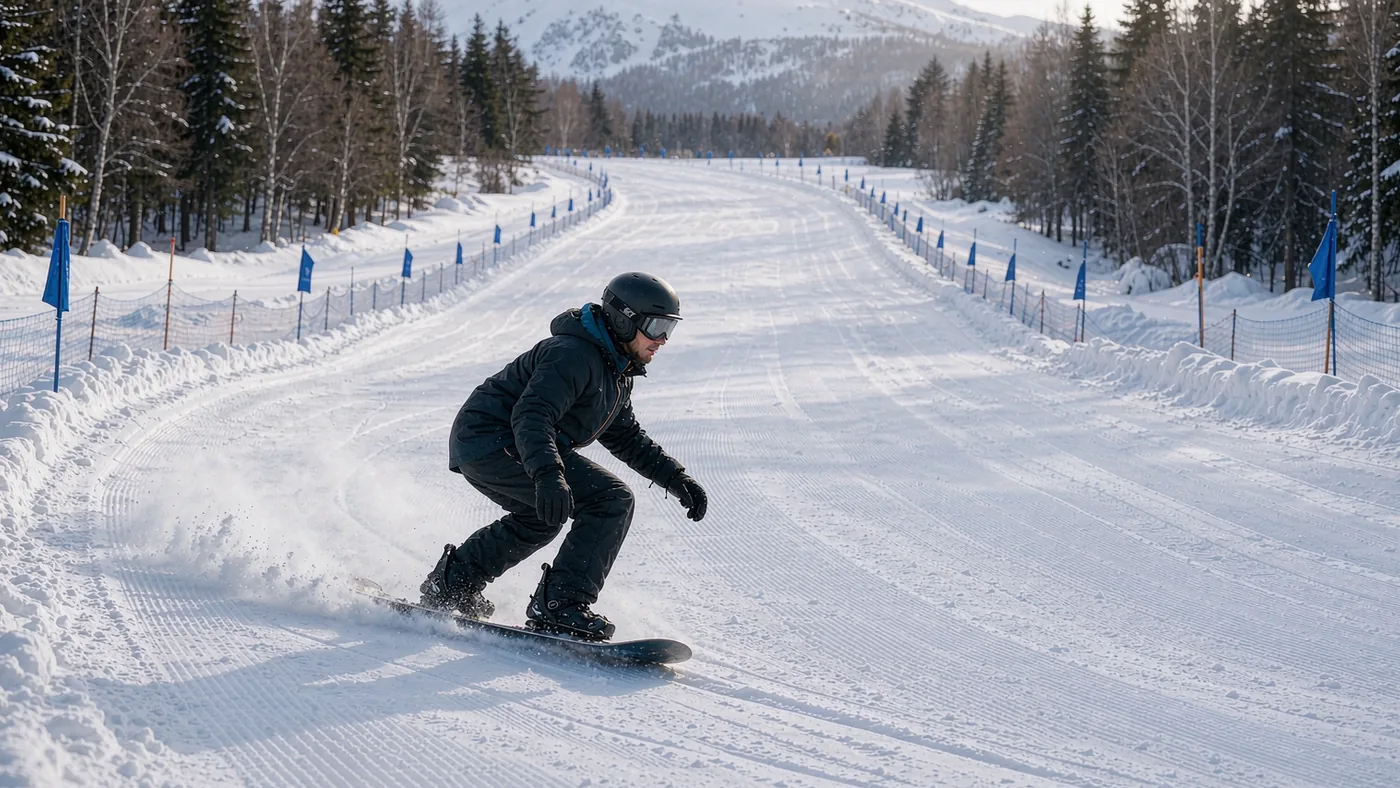
Second season, four days into a week, and the holiday has stopped being about survival and started being about speed. You are linking turns on reds without thinking about it. The board underneath you is the one you bought in your first year — soft, forgiving, a bit vague — and somewhere on the run down to the lift you notice that the faster you go, the less it seems to want to help. The nose flaps. The tail washes. You are working harder than the people around you and going slower.
That is the signal, and it is worth being precise about it because the next purchase is the one that decides whether the next three seasons go well. Buy a board two steps above your ability and you will spend the whole of next winter fighting it, blaming yourself, and going backwards. Buy a sensible mid-flex all-mountain deck and you will carry on exactly as you have been, at a slightly higher level.
The uncomfortable part is that the board is often not the first thing you should change. There are three other things that limit an intermediate rider more, and they cost far less.
How to tell you have genuinely outgrown your first board
You can link turns on a red run without thinking about it. Not survive — link, at a reasonable speed, with your weight over the working edge. If you are still thinking about each turn as you make it, a stiffer board will make your life harder, not better.
You are reaching for speed and the board is not giving it back. A beginner deck has a soft flex that gets unsettled once you push it. If you find yourself backing off on a groomed run because the board feels nervous rather than because you feel nervous, that is the board talking.
You can feel the board folding under your weight. On a soft deck, a heavier or more committed rider can feel the whole board bend in a hard turn and the edge disengage. That is a flex problem, and no amount of technique fixes it.
If two of those three describe you, a second board is a sensible purchase. If none of them do, it is not.
Three things to fix before you buy a board
Boots. This is the first and biggest one. A boot that is half a size too big lets your foot lift inside the shell, and the delay between your input and the board's reaction is enormous — far bigger than any difference between two mid-range boards. Boots that fit properly change your riding more than a core upgrade does, and they are cheaper. If you have never been properly fitted, do that before anything else.
Stance. Width and angles decide how much leverage you have over the board. A stance that is too narrow or too wide makes it harder to get the board onto its edge and harder to hold it there, and riders often spend a season blaming technique for a setup problem. Move one thing at a time and give each change a full day. The snowboard stance width guide covers the starting points.
Edge tune. A blunt edge on a mid-range board will out-grip nothing. Most riders with a season-old deck have never had the edges sharpened, and the improvement after a proper tune is the largest single-day change available to them for the least money. Do this before you conclude that your board has run out of grip.
Only when all three are sorted and the board is still the limit should you spend on a deck.
What a second board should actually be
Mid flex, not stiff. Medium is the sweet spot for an improving rider, because it is stable enough to hold a carve under pressure and soft enough to forgive a mistimed weight shift. The board should be a step up, not a leap.
Camber under the feet, some rocker in the tips. A hybrid profile with camber between the bindings and raised tips gives you grip where you need it and a looser feel in soft snow. It is the most forgiving way to buy edge hold.
A weight range you sit in the middle of. Not the top. If you are at the very top of a board's recommended weight band, it will feel softer and vaguer than the description suggests. Aim for the middle and you will keep the board as your riding improves.
The picks
Gets you most of the way to a premium all-mountain board for noticeably less money. The compromise is a slightly less refined ride in chop.
Best for
- Second-board buyers who know they want all-mountain
- Riders who would rather spend the saving on boots
Worth skipping if
- Riders chasing the last few per cent of damping
- Beginner-first purchases
- Profile
- Hybrid camber
- Shape
- Directional twin
- Flex bias
- Medium
- Intended terrain
- All-mountain
Strengths
- Strong price-to-performance
- Grippy where it matters, under the feet
- Easy board to keep in good condition
Trade-offs
- Feels less planted at speed in chopped snow
- Base is not as fast as premium sintered decks
Specifications reflect published manufacturer information, last checked 2026-09-28. We have not laboratory-tested this product; the assessment above is editorial, based on the published design and the rider profile it targets. How we review gear.
A true do-everything deck. It has enough camber to grip and enough rocker in the tips to stay relaxed when the snow gets soft.
Best for
- Riders splitting time between piste, park and side hits
- Anyone wanting a single-board quiver
Worth skipping if
- Dedicated deep-powder days
- Absolute beginners
- Profile
- Hybrid camber (camber between feet, rocker in tips)
- Shape
- Directional twin
- Flex bias
- Medium
- Intended terrain
- All-mountain / freestyle
Strengths
- Genuinely versatile across conditions
- Forgiving enough to progress on
- Works as a travel board when you fly with one deck
Trade-offs
- Not the float of a dedicated powder shape
- Top sheet scratches fairly easily on rails
Specifications reflect published manufacturer information, last checked 2026-09-28. We have not laboratory-tested this product; the assessment above is editorial, based on the published design and the rider profile it targets. How we review gear.
One of the few genuinely budget decks that does not feel disposable. Good enough to keep riding after your first season ends.
Best for
- Beginners who want something to grow into
- Riders adding a second, cheaper board to a quiver
Worth skipping if
- Aggressive riders
- Anyone wanting meaningful float in powder
- Profile
- Hybrid camber
- Shape
- Directional twin
- Flex bias
- Soft to medium
- Intended terrain
- All-mountain
Strengths
- Punches well above its price
- Versatile enough to keep after the first season
- Straightforward to tune and repair
Trade-offs
- Soft flex gets unsettled at speed
- Not a powder shape
Specifications reflect published manufacturer information, last checked 2026-09-28. We have not laboratory-tested this product; the assessment above is editorial, based on the published design and the rider profile it targets. How we review gear.
How they compare
| Board | Profile | Shape | Flex | Grip on firm snow | Forgiveness | Best suited to |
|---|---|---|---|---|---|---|
| YES Typo | Hybrid camber | Directional twin | Medium | Good | Good | Second-board buyers who know they want all-mountain |
| CAPiTA Mercury | Hybrid camber | Directional twin | Medium | Good | Very good | Riders splitting time between piste, park and side hits |
| K2 Standard | Hybrid camber | Directional twin | Soft to medium | Fair | Excellent | Beginners and budget-conscious second-board buyers |
Published specifications, last checked 28 September 2026. Grip and forgiveness are editorial judgements about the design, not laboratory measurements.
Where intermediates overbuy
Weight and base speed. The premium tier buys a lighter core and a faster base. Both are real, and both matter most to a rider logging a lot of days. At two weeks a year, you will notice the base speed on a cat track and almost nothing else.
Stiffness. A stiff deck feels impressive in a shop and punishing on a piste at the end of the day. Riders who buy a step too stiff usually end up riding slower than they did on their beginner board, because they cannot load the board enough to make it work.
A second board before a first set of boots. The most common expensive mistake in this category. Fix the boot fit first, then spend on a deck.
Who should not buy these
If you are still learning to link turns. The K2 Standard is the only one here that belongs in a beginner's hands, and even then it is often better to finish the season on the board you already have and put the money into lessons. A deck change at this stage usually buys confidence rather than performance.
If you ride mostly park. All three are all-mountain boards, not freestyle specialists. The CAPiTA Mercury handles side hits and the odd park lap, and it is not a rail board.
If you want meaningful float in deep snow. The K2 Standard is not a powder shape, and none of the three is built for it. A volume-shifted or rocker-dominant deck is the honest answer if that is your priority.
If your goal is speed above everything. The YES Typo feels less planted at speed in chopped snow than a premium deck, and the K2 Standard's soft flex gets unsettled when you push it. A stiffer all-mountain board will serve you better, and it will also expose every technique gap you have.
Verdict
The YES Typo is the best-value step up here and the CAPiTA Mercury is the most versatile board in the category. Neither should be your first purchase, though. If your boots do not fit, your stance has never been checked and your edges have never been sharpened, spend the money there first — those three fixes will change your riding more than any of these three decks, and you will still be able to afford the board afterwards.
Frequently asked questions
When should an intermediate rider buy a new snowboard?
When you can link turns on a red run without thinking about it, you are deliberately reaching for more speed, and your current board feels unsettled or folds when you push it. Two of those three together is a fair signal. Being bored of the graphics is not.
What flex is right for an intermediate snowboarder?
Medium. Stiff boards demand commitment and punish hesitation, which is the opposite of what an improving rider needs, while soft boards fold at speed once you start riding with more force. A rider in the middle of a board's recommended weight range will get the intended flex out of it.
Should I buy a longer board as I improve?
Not necessarily. Length comes from the manufacturer's weight range, and an improving rider usually gets more from better edge hold and a more stable flex than from extra centimetres. If you are near the bottom of a board's weight band, going up a length within that band is a reasonable move.
How much should I spend on a second snowboard?
The mid-range is the sweet spot for a rider doing one or two weeks a year. Above it you are paying for a lighter core and a faster base, which matter most to high-mileage riders. Below it you risk buying another soft deck you will outgrow in a season.
Do I need a wide snowboard?
If your boots are around UK size 11 or larger, yes. Toe and heel drag costs you edge grip on hard turns and gets worse the more confidently you ride. Check the board's waist measurement against your boot's outer length rather than trusting the word wide.
Where to go next
Before you buy, work through the how to choose your first snowboard setup guide and the snowboard size chart — both apply to a second board as much as a first. The stance width guide and the edge sharpening guide cover the two free fixes.
If you decide a different category suits you better, the best all-mountain snowboards round-up is the broadest comparison, and the how much should you spend piece deals with the budget question honestly. More in the boards archive.