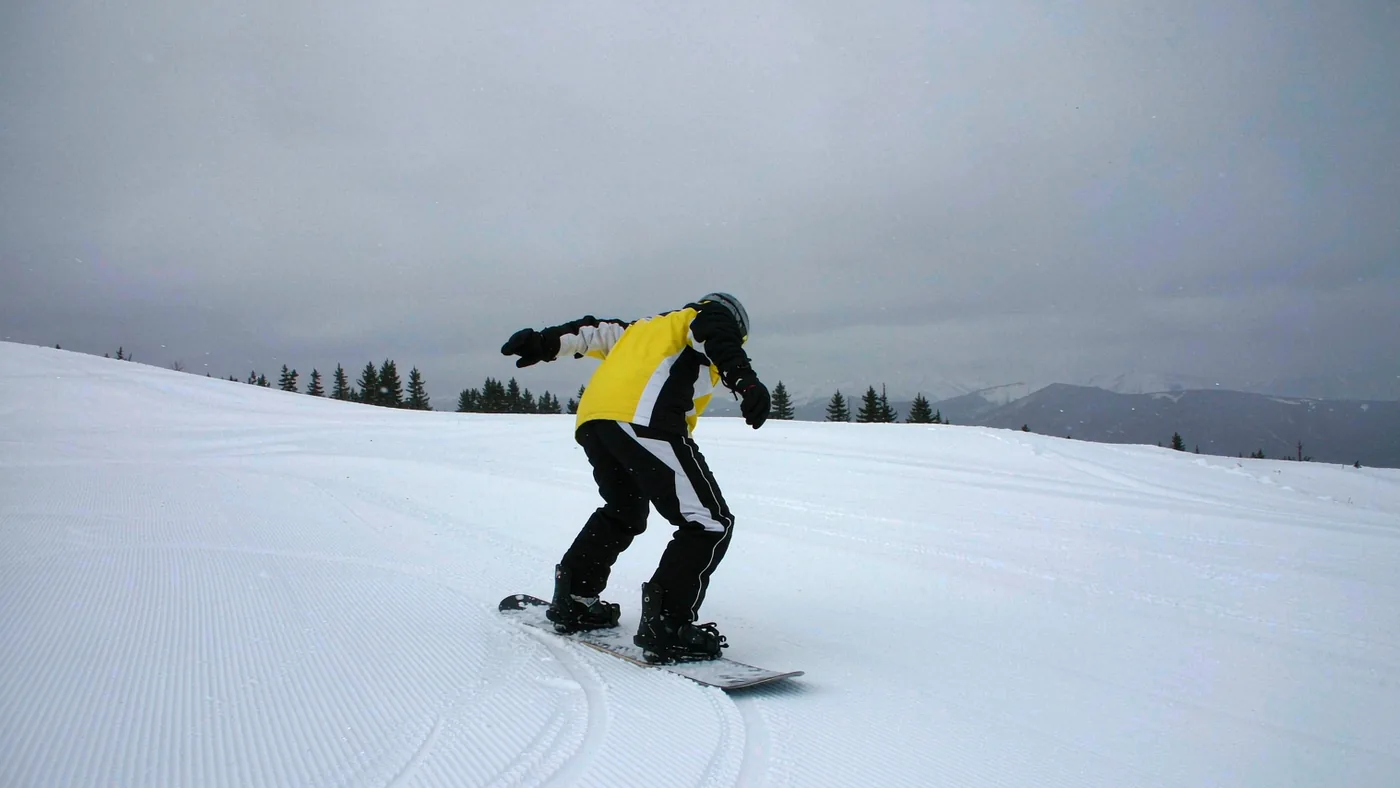
You hear it before you feel it: a high, scraping hiss under your feet, and then the edge lets go. The slope is grey and slightly shiny, the light is flat enough that you cannot see where the hard patches start, and the board that felt composed yesterday morning now feels like it is balancing on a knife. You slow down, which makes it worse. You try to steer harder, which makes it worse still.
Most European seasons are made of this. A January thaw, a refreeze overnight, a piste basher working the surface into something dense and slick, and a morning where a run you have ridden for years suddenly has no forgiveness in it. Riders who only ever experience groomed snow fall apart on days like this; riders who learn to ride them get far more out of a normal season.
Two things decide the outcome, and they have nothing to do with courage. The first is whether your edges are sharp. The second is whether you are using them at a sensible angle.
What actually matters
Edge sharpness comes before technique. You cannot carve a refrozen surface with a blunt edge. If you have not touched your edges since last season, the first useful thing you can do is not a drill, it is a diamond stone or a trip to a workshop. A sharp edge on a modest board will hold where a blunt edge on an expensive one will not. This is the one mechanical fact in this article, and it decides the rest.
Lower edge angle, not higher. The instinct on ice is to lean the board further over and press harder, which is exactly the wrong move. On a hard, shiny surface the board slides out once the edge is loaded past the point the surface will support. Keeping the board flatter — using a gentler edge angle and letting more of the running edge share the load — holds better than a dramatic high-angle carve.
Smooth pressure beats fast movement. Ice rewards a rider who applies pressure gradually and continuously and punishes one who stabs at the edge. Think of rolling the foot rather than stamping it. The movement is small, deliberate and slow, and the timing is early: your edge needs to be set before the point where you need grip, not at it.
Finish the turn. On hardpack most riders release the edge early, out of a wish to get the turn over with, and the board slides out at the exit. Carrying the turn round to the point where the board is travelling across the slope, with the edge still engaged, gives you control of speed and a platform to start the next turn from.
Manage speed with turn shape, not with skidding. A skidded turn on ice is a series of small edge releases, and each one is a chance to lose the board entirely. Control speed by completing your turns more roundly and by holding a slightly longer traverse between them, which keeps the edge loaded rather than repeatedly letting it go.
The picks
You do not need a special board for hardpack. You need a cambered board in reasonable condition and reasonably sharp edges. Two decks are worth knowing about because riders ask for them by name when the season turns icy, and they solve the problem in different ways.
The board most other all-mountain decks are judged against. Predictable, grippy on hardpack, and it stays composed when you push it harder than you meant to.
Best for
- Riders who want one board for the whole mountain
- Improvers moving up from a beginner deck
- Anyone riding a lot of European hardpack
Worth skipping if
- Park riders who want a soft, pressable twin
- Riders on a tight budget
- Profile
- Traditional camber
- Shape
- Directional twin
- Flex bias
- Medium-stiff
- Intended terrain
- All-mountain
Strengths
- Very predictable edge-to-edge behaviour
- Holds an edge on scraped European pistes
- Wide size run including wider waist options
Trade-offs
- Camber profile punishes lazy technique in powder
- Priced at the premium end for what it is
Specifications reflect published manufacturer information, last checked 2026-09-28. We have not laboratory-tested this product; the assessment above is editorial, based on the published design and the rider profile it targets. How we review gear.
A stiff, fast all-mountain deck for riders who treat groomers like a race course. It rewards commitment and punishes hesitation.
Best for
- Confident intermediate and advanced riders
- Heavier riders who flex boards easily
Worth skipping if
- Beginners
- Park-focused riders
- Profile
- Traditional camber
- Shape
- Directional twin
- Flex bias
- Stiff
- Intended terrain
- All-mountain / freeride
Strengths
- Excellent stability at speed
- Holds up on hard, refrozen slopes
- Wide sizes suit bigger riders properly
Trade-offs
- Demanding for lighter riders
- Little forgiveness for sloppy technique
Specifications reflect published manufacturer information, last checked 2026-09-28. We have not laboratory-tested this product; the assessment above is editorial, based on the published design and the rider profile it targets. How we review gear.
How they compare
| Board | Profile | Flex | Shape | Edge hold on refrozen snow | The compromise |
|---|---|---|---|---|---|
| Burton Custom Camber | Traditional camber | Medium-stiff | Directional twin | Very predictable, holds on scraped pistes | Punishes lazy technique in powder, and sits at the premium end |
| Nitro Team | Traditional camber | Stiff | Directional twin | Excellent stability at speed and on hard, refrozen slopes | Demanding for lighter riders, with little forgiveness for sloppy technique |
| A soft rocker-dominant board | Rocker-dominant | Soft to medium | Varies | Vague and skittish exactly when you need it most | Fine in soft snow, and the wrong tool for a refrozen morning |
Published specifications, last checked 28 September 2026. The judgements about how each deck behaves on ice are editorial, based on published profiles and rider consensus, rather than measured on-snow results.
Working with the board you already have
Most readers of this site own one board and will ride it whatever the conditions are. That is fine. The following are the changes that make the most difference and cost the least.
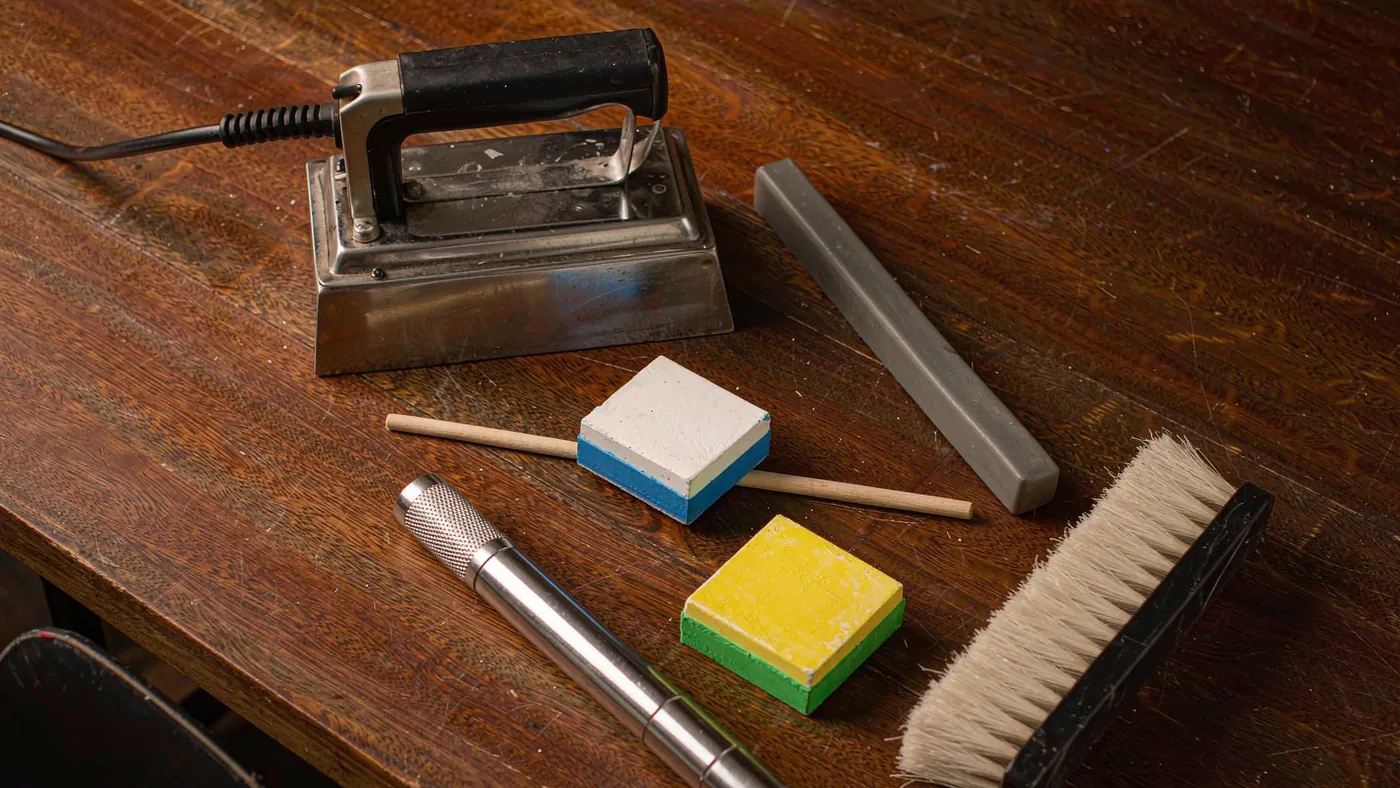
Get the edges sharpened properly, or learn to do the routine part yourself. A diamond stone run two or three times along each edge, following the existing angle, removes the burrs that make an edge feel vague. Our guide to sharpening snowboard edges covers the difference between a stone and a file and, more importantly, what not to do at home.
Do not detune anything before an icy week. Detuning — deliberately dulling the edge near the tip and tail — is a park habit that makes spins and presses less catchy. On a hardpack week it removes precisely the grip you need at the contact points where the edge enters the snow.
Wax for the conditions. Cold, dry, abrasive artificial snow and dry refrozen surfaces strip wax quickly, and a dry base drags and feels slower and less predictable than it is. A universal wax applied a few days before you travel is the sensible minimum.
When to stop for a coffee instead
There is a point at which riding hardpack stops being a skill question and becomes a judgement question, and the sensible riders are the ones who recognise it.
Cold, dry, aggressive boilerplate at the start of a day, before the sun has touched it, is a genuinely dangerous surface for anybody. So is the same surface in flat light, where you cannot read the difference between a hard patch and a soft one until your edge is already gone. So is the last hour of the day on a run that has been scraped back to polished ice by hundreds of riders. And so is any surface you cannot stand on with one foot without sliding.
None of those conditions are a challenge to be overcome. They are a reason to ride a lower, softer slope, to ride the pistes the sun has reached, or to go inside for an hour and come back when the surface has softened. If the whole mountain is closed-refrozen and the forecast is not changing, that is what the nursery slope and a lesson are for — or a spa afternoon.
Verdict
If you are heading to a resort in a warm period, or you weigh relatively little, or you only ride a handful of days a season, a stiff full-camber deck built for aggressive piste riding will feel like hard work rather than an advantage. It demands commitment and pressure that lighter or less frequent riders cannot put into it, and it will beat you up on a soft afternoon. Buy a medium-flex cambered all-mountain board instead, keep the edges sharp, and it will hold on the mornings that matter without punishing you for the rest of the day.
Frequently asked questions
Do I really need sharp edges to ride ice?
Yes. A blunt or burred edge will not bite a refrozen surface no matter how well you ride, because there is nothing for it to engage with. Two or three light passes with a diamond stone along each edge, following the existing angle, is enough for routine maintenance and takes a few minutes.
Should I lean the board over more on hardpack?
No. Pressing a very high edge angle onto hard, polished snow loads the edge past what the surface will support and the board slides out. A gentler angle spreads the load along more of the running edge, and that holds better than a dramatic carve every time.
Why does my board slide out on the exit of the turn?
Because you are releasing the edge early. On hard snow the temptation is to get the turn finished quickly, and the moment you unwind the edge before the board has crossed the fall line it lets go. Carry the turn one beat longer than feels natural and the exit will hold.
Is a rockered board useless on ice?
Useless is too strong, but a heavily rockered board is noticeably less precise on a hard, refrozen surface, and it feels worst under heavier riders at speed. A hybrid with pronounced camber underfoot gives you most of the float of a rocker without giving up the edge pressure that hardpack demands.
How do I tell whether the surface is hardpack or actual ice?
Stand on it with one foot and push. If you slide immediately, it is boilerplate and you should ride it as such — lower angles, rounder turns, less speed. Firmer, grippier hardpack lets you push off without sliding, and it will take a normal edge angle and normal riding.
Where to go next
For the routine maintenance that keeps an edge working, read how to sharpen snowboard edges, and for the wider question of how profile affects grip, see the camber profiles guide. Our round-up of the best snowboards for icy conditions covers the decks that suit a refrozen season.
If you are still working out what the numbers on a board mean, start with how to read a snowboard spec sheet, or browse the advice section.