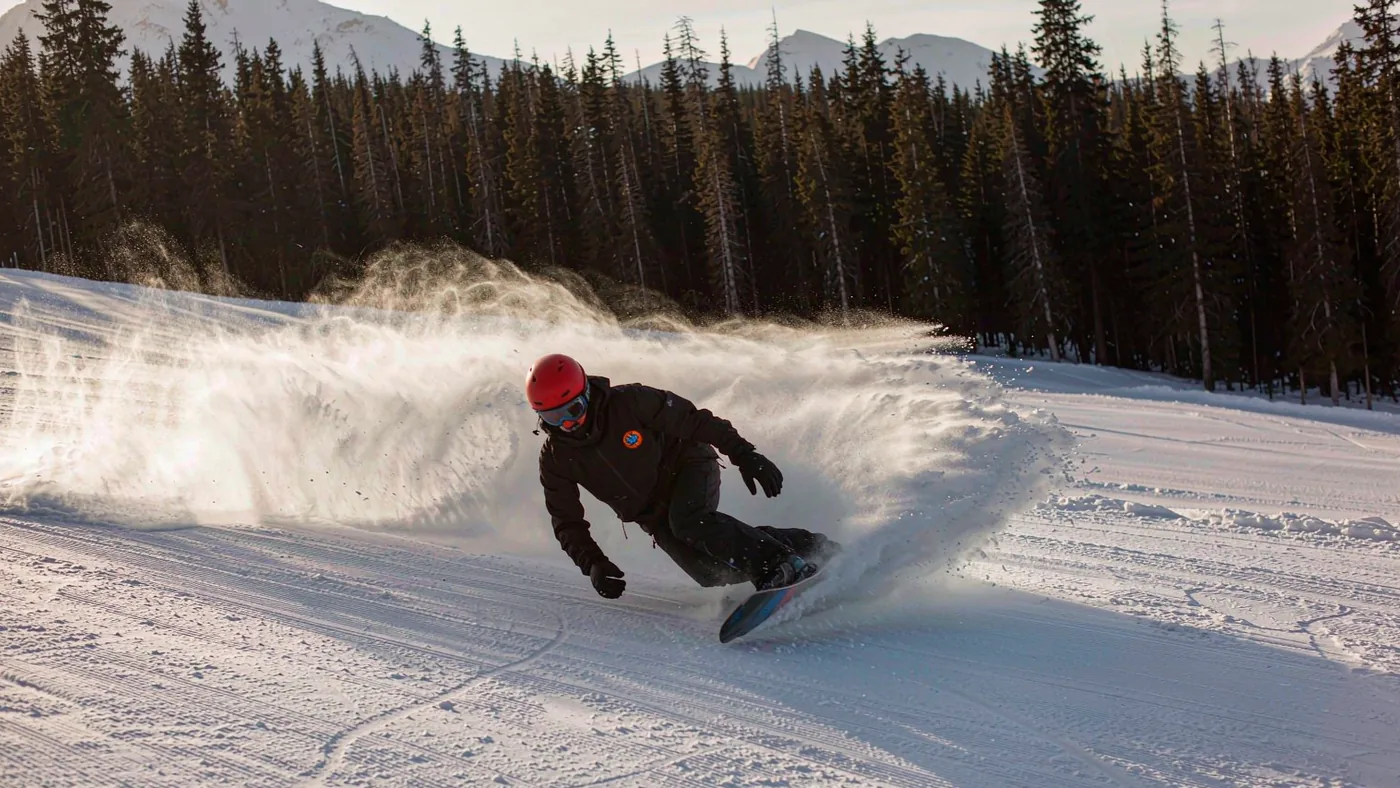
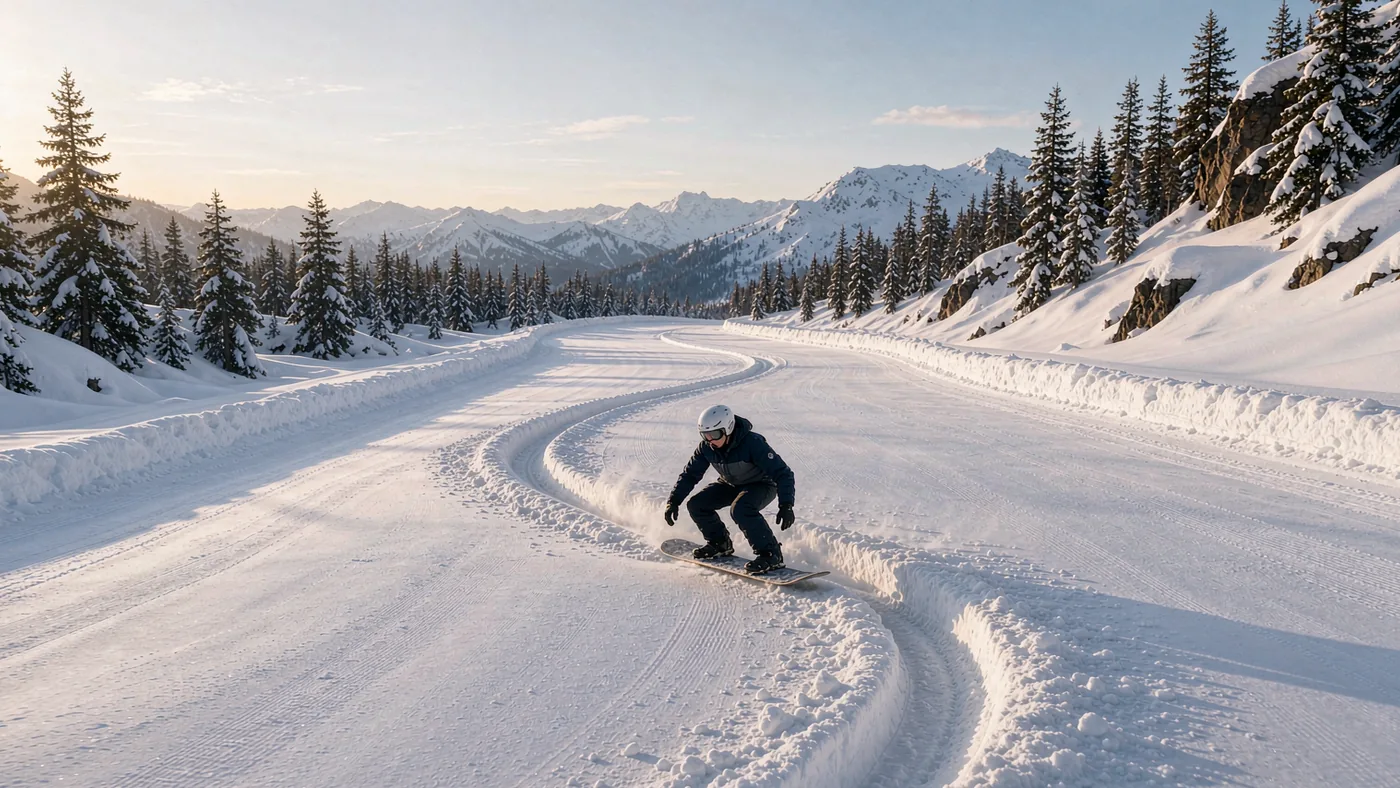
First lift on a wide groomed piste, empty, hard and fast, and the run has nothing on it but you and the trench behind you. There is no queue to dodge, no beginner traversing across the fall line, and no reason to make a short turn. This is the run the Nitro Team was designed for, and on it the board is superb — it holds a line at speed, it does not wash out when you load it, and it comes out of a turn with more energy than you put in.
Now consider the same board at four in the afternoon, in the same resort, when the piste is chopped up, your legs are tired, and you are trying to make short turns through other people's tracks. That is where a stiff cambered deck stops being an advantage. It does not absorb anything, it does not forgive a lazy weight shift, and it makes a tired rider work for every metre.
Both of those runs are real, and which one you recognise is the whole decision. This review is written on the assumption that you probably recognise the second one.
Specifications
| Specification | Detail |
|---|---|
| Profile | Traditional camber |
| Shape | Directional twin |
| Flex bias | Stiff |
| Intended terrain | All-mountain and freeride |
| Size run | Includes wider options for bigger riders |
| Best suited to | Confident intermediate and advanced riders who can flex a stiff board |
Published specifications, last checked 28 September 2026. Confirm current specification and sizing on the brand's own product pages before buying.
What the stiff flex buys you
Edge-to-edge speed. A stiff board resists twisting between the bindings, so when you roll it onto an edge the whole effective edge engages at once rather than progressively. That means the transition from edge to edge is faster and more direct. On a wide, firm piste, laid over at speed, that is the difference between a carve that builds and one that slides.
Stability when you are going fast enough to care. Traditional camber presses the contact points into the snow along the running length, and a stiff flex keeps the board from deforming away from the surface under load. At high speed on hardpack this is exactly what you want: the board tracks, the nose stays quiet, and the ride is calm rather than nervous.
Performance when the snow is genuinely hard. This is a cambered deck with a long effective edge, and cold, refrozen mornings are where it earns its keep. Riders who spend a lot of their season on firm European pistes will find the grip reassuring rather than punishing, provided they can load the board.
Support for heavier riders. The wide sizes are not an afterthought here. A heavier rider gets a wider platform under a bigger boot and a flex that will not fold, which is a combination that the lighter end of the market rarely offers properly.
Durability of feel. A stiff, cambered board is predictable for a long time. It does not go vague after two seasons the way a soft deck can once it has been pressed and buttered to death.
What it costs you
Low-speed comfort. This is the first thing a rider notices when they step onto a stiff deck from a soft one. Flat basing on a cat track, skating through a lift queue, drifting down a gentle green on tired legs — all of it asks for input that a softer board would not. It is not unstable, it is simply not interested in going slowly.
Forgiveness, or the lack of it. Traditional camber rewards good technique and exposes bad habits immediately. A mistimed weight shift that a soft beginner deck would absorb becomes a caught edge or a washout. If you are still refining your edge control, this board will tell you about it constantly, and that gets demoralising.
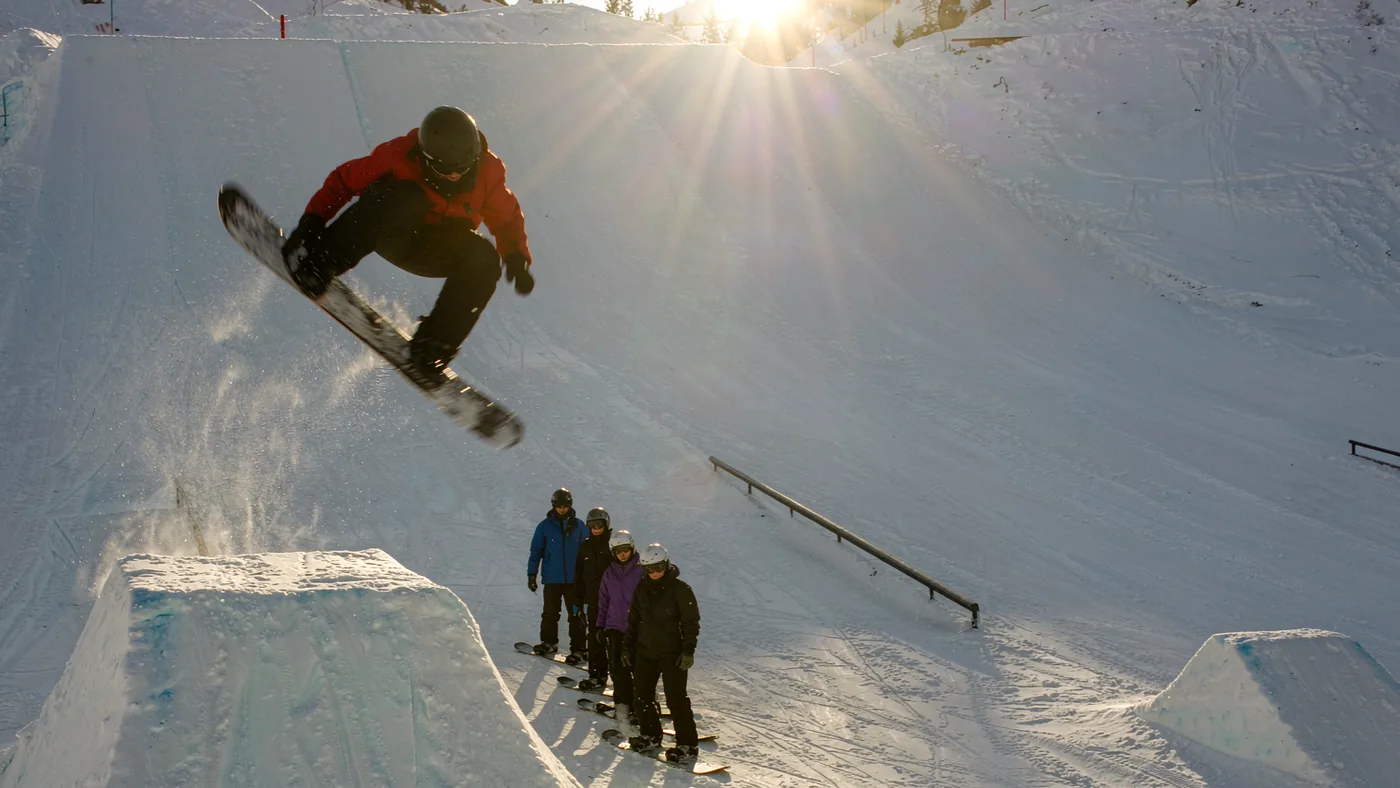
Playfulness. There is no version of this board that butters easily. It will not press into a shape without a fight, and it is the wrong choice for anyone whose day is built around jibs and side hits.
Lighter riders are locked out. Stiffness only helps if you can bend it. A rider much below roughly 75kg will find the Nitro Team hard to load, which makes it feel wooden and unresponsive rather than precise. It is not that the board is too much for them on paper — it is that they cannot flex it, so they never get the pop or the grip that the stiffness is there to provide.
Powder is not the point. Traditional camber wants to arc into the snow rather than plane across it, so a deep day is work. It copes, and it is not what you bought it for.
Who it is not for
It is not for beginners. This is the clearest case in the category. A rider still learning to link turns needs a board that forgives errors, and this one does the opposite on purpose.
It is not for lighter riders. If you cannot flex the board, you cannot use it. Look at a medium-flex all-mountain deck and size it by the manufacturer's weight range rather than by your height.
It is not for park riders. Stiff, cambered and directional is the wrong combination for rails, boxes and butters. A soft true twin is the answer there.
It is not for anyone who wants a relaxed, surfy ride. If you like a loose feel underfoot, this is the opposite of that.
It is not for a rider chasing deep powder. A tapered, rocker-dominant or volume-shifted shape is the honest choice for that.
A stiff, fast all-mountain deck for riders who treat groomers like a race course. It rewards commitment and punishes hesitation.
Best for
- Confident intermediate and advanced riders
- Heavier riders who flex boards easily
Worth skipping if
- Beginners
- Park-focused riders
- Profile
- Traditional camber
- Shape
- Directional twin
- Flex bias
- Stiff
- Intended terrain
- All-mountain / freeride
Strengths
- Excellent stability at speed
- Holds up on hard, refrozen slopes
- Wide sizes suit bigger riders properly
Trade-offs
- Demanding for lighter riders
- Little forgiveness for sloppy technique
Specifications reflect published manufacturer information, last checked 2026-09-28. We have not laboratory-tested this product; the assessment above is editorial, based on the published design and the rider profile it targets. How we review gear.
Verdict
The Nitro Team is genuinely excellent for a heavy, confident rider who wants to go fast on firm, groomed snow and treats a wide piste like a course. It is the wrong purchase for almost everyone else. If you are lighter than roughly 75kg, still refining your edge control, or you ride for the relaxed pleasure of a soft deck, buy a medium-flex all-mountain board instead. You will go faster on it, not slower, because you will actually be able to bend it.
Frequently asked questions
Who should buy a stiff snowboard like the Nitro Team?
Confident intermediate and advanced riders who ride fast on firm groomed pistes, and heavier riders who can flex a stiff board properly — roughly 75kg and above. If you cannot bend the board under load, you get a wooden feel rather than a precise one, and you are better served by a medium flex.
Is traditional camber good for European hardpack?
Yes, and it is the main reason this board exists. Camber presses the contact points into firm snow along the whole running length, which is what gives grip on a scraped piste. Combined with a stiff flex and a long effective edge, it is a very confident board on hard, cold snow.
Is the Nitro Team a good beginner board?
No, and it is worth being blunt about it. Traditional camber with a stiff flex punishes exactly the mistakes a beginner makes most often, and a rider still learning to hold an edge will spend the season fighting the board rather than learning from it. Start on something soft and forgiving.
Does a stiff board make a snowboard hard to turn at low speed?
It makes it harder to manoeuvre gently, yes. Stiffness resists the small deformations that let a soft board drift and smear at low speed, so skating through a lift queue and flat-basing across a cat track ask for more input. It is not unstable — it simply wants to be ridden with commitment.
What length Nitro Team should I choose?
Use the manufacturer's recommended weight range as the primary guide rather than a rule based on your height, and stay in the middle of the band rather than the top, because a stiff board has to be loaded to work. If your boots are UK size 11 or larger, take one of the wider options.
Where to go next
If firm, refrozen pistes are what you actually ride, the best snowboards for icy conditions round-up covers the alternatives, and the how to ride ice and hardpack piece deals with technique and tuning. The snowboard flex ratings explained article explains why stiff means different things to different brands.
For the broader comparison, the best all-mountain snowboards round-up sets this deck against the softer end of the category. More in the boards archive.