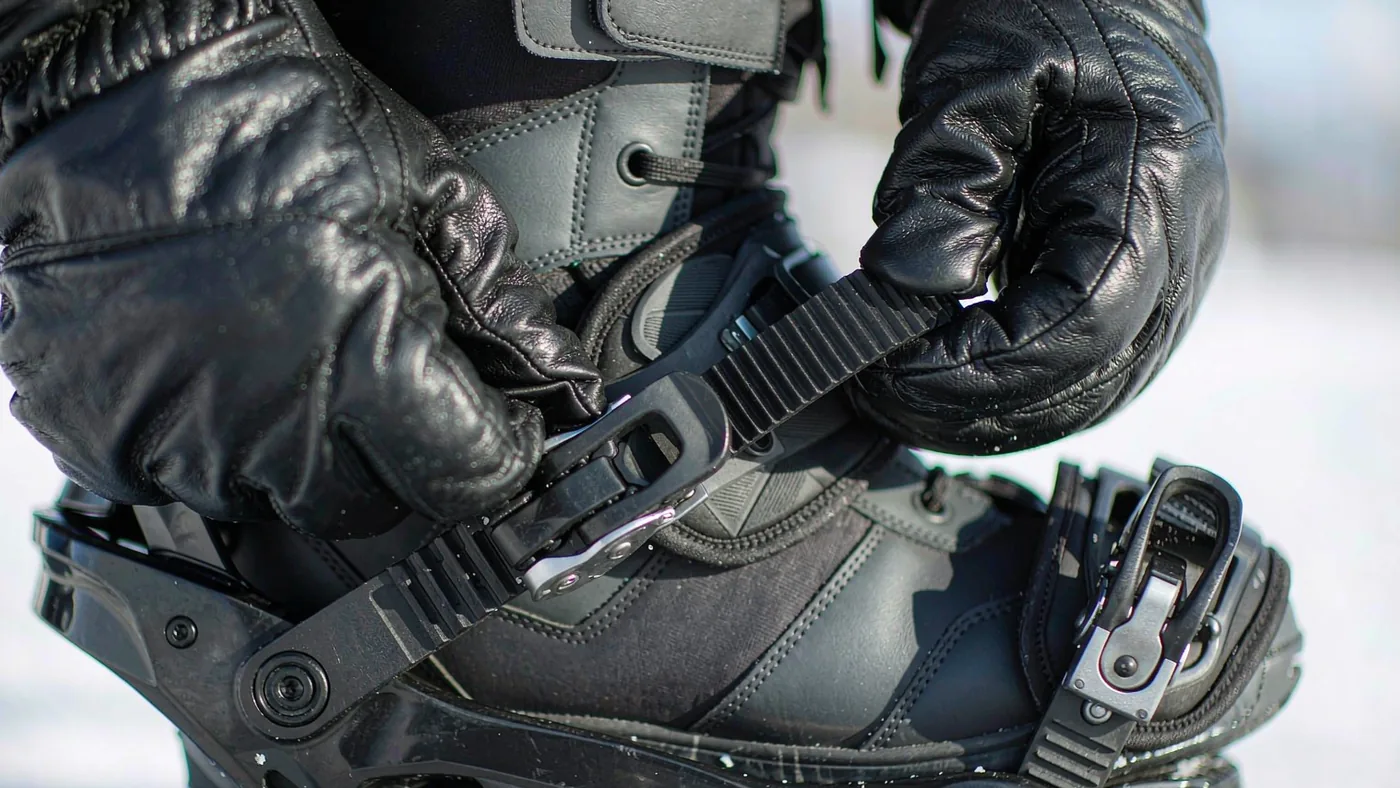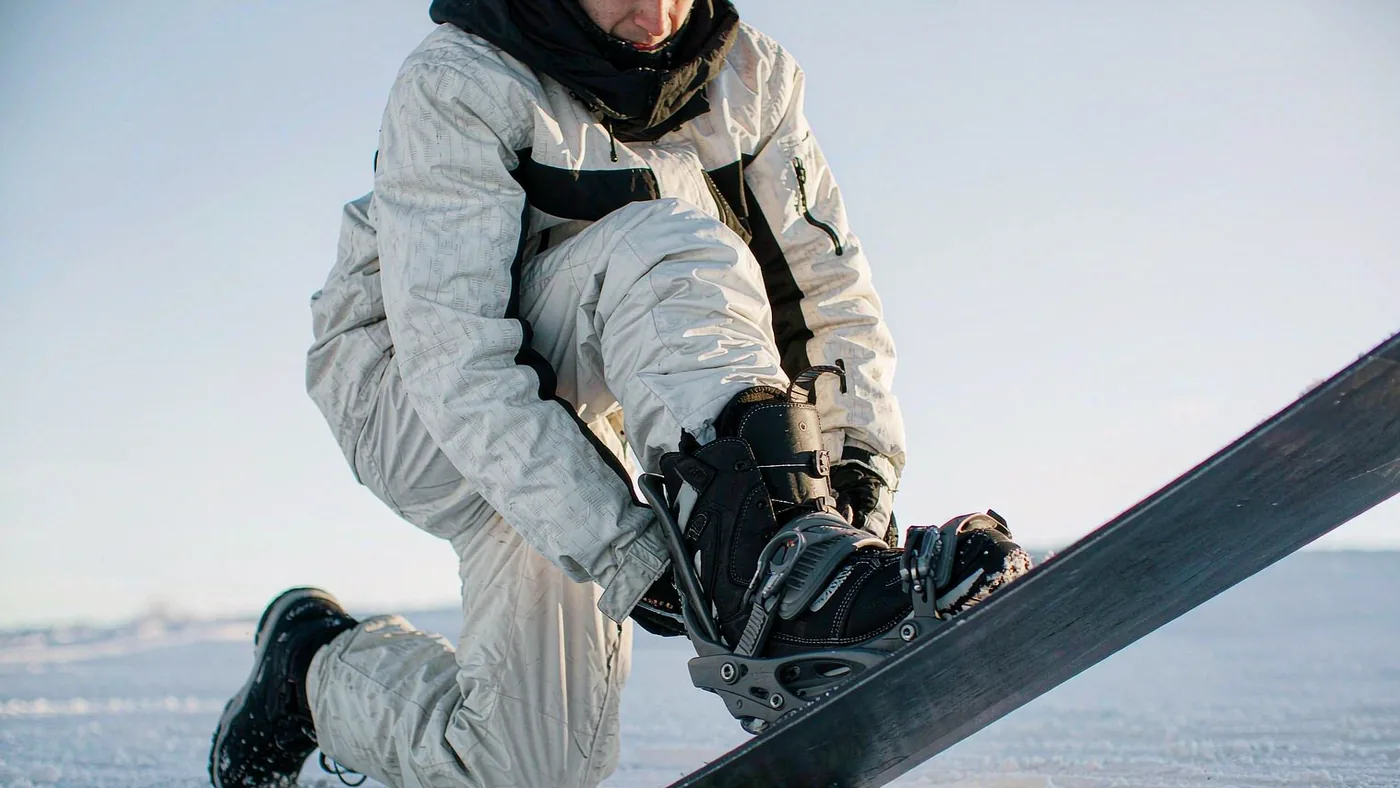
There is a moment on every trip when boot lacing stops being a specification and becomes a problem. It is usually about four o'clock in a car park in Andorra, your gloves are wet, your hands are too cold for fine motor control, and you want to loosen the top of one boot by two notches because your shin has been complaining since lunch.
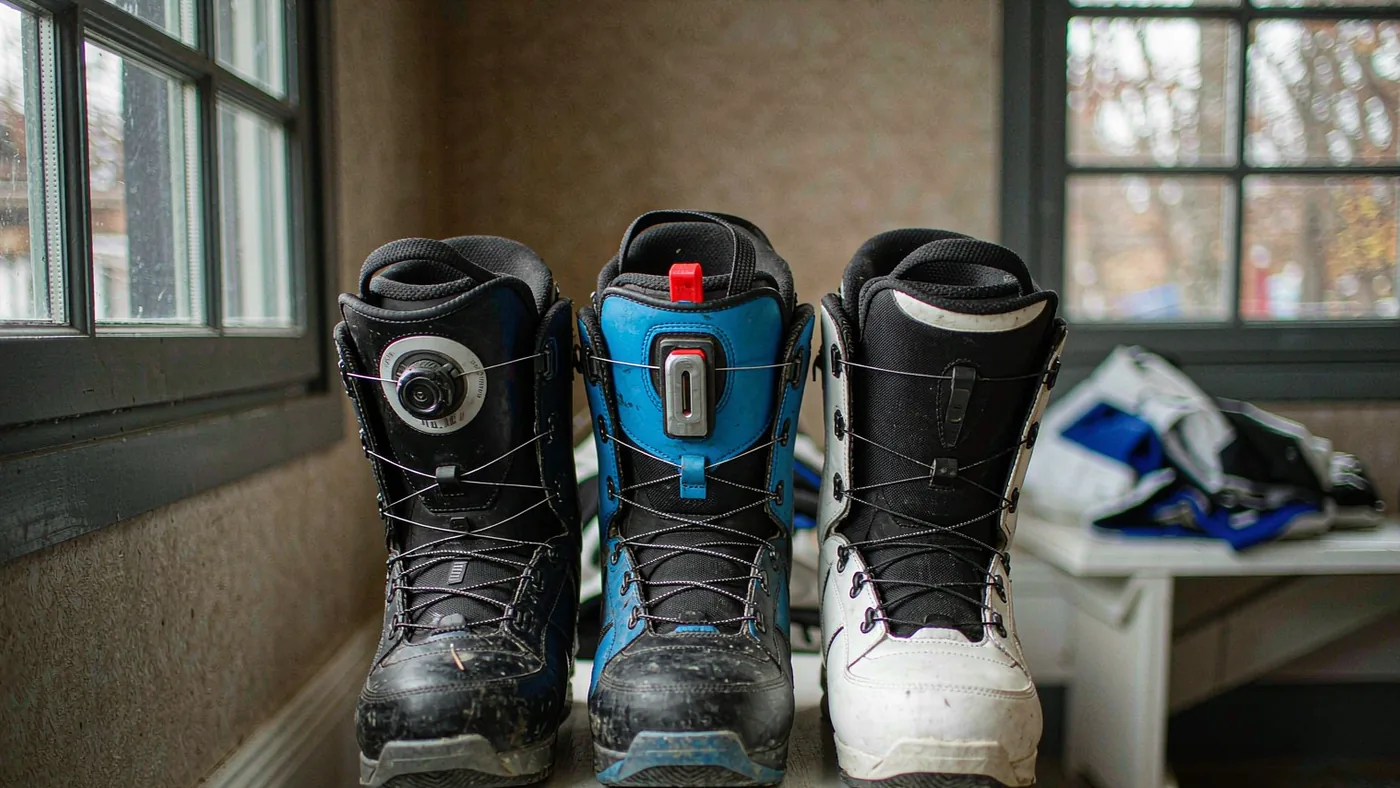
What happens next depends on which lacing system you bought. With traditional laces you will be undoing a knot with your teeth. With a Boa dial you will turn a wheel twice and be done, unless the wheel iced up, in which case you will be pressing it against your jacket for a minute. With a speed-zone pull you will release a cleat and re-tension one handle — either the best of both worlds or the worst, depending on the boot.
None of these systems is better in the abstract. Each has a failure mode, and the right choice depends on your hands, your feet and how far you are from a shop.
The three systems, honestly described
Traditional laces. A lace, a series of eyelets or hooks, and a knot. You control the tension zone by zone as you tie, which is the most precise fit available at the instep. Doing it well in gloves is close to impossible, and if a lace snaps you are rethreading the whole boot in the cold — a straightforward job if you have a spare.
Boa. A dial winds a steel or textile lace through guides. The variables that matter are how many zones the boot has and how they are arranged. A single-zone Boa tightens the whole boot as one unit: fast, but you cannot have a firm upper and a comfortable instep at the same time. A dual-zone system splits the boot into two adjusters and restores most of the fit control laces give you. That distinction matters far more than the brand of the dial.
Speed-zone pulls. A handle, a lace running through the shell, and a locking cleat. You pull, the cleat holds, and you are done. In practice it behaves like a simplified two-zone system: fast in gloves, usually quick to release. The compromise is reliance on the cleat gripping, and a slipping cleat is a proprietary part.
Failure modes, one by one
| System | How it tightens | Fit control | Failure mode | Repairability | Best for |
|---|---|---|---|---|---|
| Traditional laces | Knot, tuned zone by zone | Highest, and adjustable anywhere | Lace snaps or freezes into a knot | Excellent, with a spare lace | Riders who want precise instep fit |
| Single-zone Boa | One dial, whole boot | Limited, whole boot moves together | Dial ices up, or a lace frays at a guide | Proprietary, brand or dealer | Riders who value speed above fit tuning |
| Dual-zone Boa | Two dials, upper and lower | Good, split top and bottom | Same as above, two mechanisms to maintain | Proprietary, brand or dealer | Riders who want speed and separate instep tension |
| Speed-zone pull | Handle and locking cleat | Moderate, usually two zones | Cleat slips, or lace frays at the guide | Mixed, often dealer-supplied parts | Riders who want glove-friendly tensioning |
| Hybrid lace and pull | Laces low, pull high | Good at the instep, fast up top | Two systems, two failure points | Mixed | Riders who care most about the instep |
System behaviour and failure modes are editorial judgements based on published boot constructions and established rider experience, not laboratory measurement. Published specifications, last checked 28 September 2026.
Where fit is actually won: the instep
The instep is the top of your foot, and it is where boot fit is decided. Too tight and your foot goes numb and your heel lifts. Too loose and your foot slides forward, so your toes hit the front on every toe-side turn.
Traditional laces win here, and it is not close. You can tension the lower zone, leave the middle slack and crank the upper down, which is exactly what an awkward instep needs. Dual-zone Boa gets most of the way there. Single-zone Boa cannot, because tightening the dial tightens everything, so a rider with a high instep who cranks it to hold the heel will crush the top of the foot.
That is why the zone count matters more than the dial on the side of the boot. If you have a high instep or a bony foot, count the adjusters before you count the marketing.
Cold hands decide more than specs
If your hands go numb quickly — and riders with Raynaud's or simply a low tolerance for cold know who they are — any pull or dial system beats laces by a wide margin. Tying a knot in gloves at the top of a windy lift is the job that makes people give up on lace boots, and no amount of fit precision compensates if you cannot do it at all.
The exception worth knowing: a dial that has iced up is not fast either. Snow packed around it means pressing it against something warm before it turns, which on a cold day is about as annoying as a knot. Riders on wet, heavy snow report this more often than riders in dry Alpine cold, which is why some stay with laces or pulls in maritime climates.
Which system suits which rider
Choose traditional laces if you want the most precise instep tension available and you are willing to work with cold hands or ride somewhere a lace can be replaced. Boots built this way usually have the most shape in the fit, which is not a coincidence.
Choose dual-zone Boa if you want speed on and off, you have an average instep, and you accept that repairs go through a dealer. Count the dials: two is a different product from one.
Choose a speed-zone pull if you want most of the convenience of a dial without the icing problem. It is the quiet middle ground, and it suits a rider doing a fortnight a year who wants out of the boot quickly at the end of the day.
Three boots that show the difference
A well-rounded mid-flex boot that suits most riders. Good comfort out of the box and enough support for piste riding.
Best for
- Most riders
- Riders wanting one boot for everything
Worth skipping if
- Riders with very narrow feet
- Extreme freeride
- Flex bias
- Medium
- Lacing
- Quick-pull lacing
- Intended terrain
- All-mountain
Strengths
- Comfortable quickly
- Versatile flex
- Easy to tighten with gloves
Trade-offs
- Average-width last only
- Laces harder to field-repair
Specifications reflect published manufacturer information, last checked 2026-09-28. We have not laboratory-tested this product; the assessment above is editorial, based on the published design and the rider profile it targets. How we review gear.
A lower-volume boot that grips a narrow foot properly. If standard boots leave your heel lifting, this is the shape to try.
Best for
- Narrow and low-volume feet
- Riders with heel-lift problems
Worth skipping if
- Wide or high-volume feet
- Flex bias
- Medium
- Lacing
- Traditional laces
- Intended terrain
- All-mountain
Strengths
- Proper heel hold for narrow feet
- Supportive for a mid-flex boot
Trade-offs
- Too tight for high-volume feet
- Limited size availability at times
Specifications reflect published manufacturer information, last checked 2026-09-28. We have not laboratory-tested this product; the assessment above is editorial, based on the published design and the rider profile it targets. How we review gear.
A lower-volume boot that actually holds a narrow foot. If you have been swimming in standard boots, the support difference is immediate.
Best for
- Narrow-footed riders
- Riders with low insteps
Worth skipping if
- Wide or high-volume feet
- Riders needing maximum warmth for extreme cold
- Flex bias
- Medium
- Lacing
- Traditional laces
- Intended terrain
- All-mountain
Strengths
- Proper heel hold for narrow feet
- Firm enough to drive a stiffer board
- Straightforward to replace laces
Trade-offs
- Too tight for high-volume feet
- Not the warmest boot in the range
Specifications reflect published manufacturer information, last checked 2026-09-28. We have not laboratory-tested this product; the assessment above is editorial, based on the published design and the rider profile it targets. How we review gear.
The Salomon Dialogue is a quick-pull system done well: a medium flex that suits most riders, comfortable quickly, easy to tighten with gloves on, with the caveat that this type of lace is harder to field-repair than a plain one. If it goes, you are looking at a dealer rather than a spare shoe lace.
The Ride Lasso and the Nitro Venture both use traditional laces, and both are built on lower-volume lasts that grip a narrow foot properly. That is not a coincidence: riders with awkward, low-volume feet tend to want the fit control laces give. Both are firm enough to drive a board while remaining mid-flex. Neither suits wide or high-volume feet, and the Nitro Venture is not the warmest boot in its range, so a rider chasing maximum warmth in deep cold should look elsewhere.
Verdict
If you have a high instep, a bony foot, or a heel that lifts in most boots, do not buy a single-zone Boa boot no matter how convenient the dial looks on the shelf. You cannot tension the instep and the cuff separately, and you will end up choosing between a crushed instep and a slipping heel. Buy traditional laces or a dual-zone system instead, and accept the extra thirty seconds at the top of the lift as the price of a boot that fits.
Frequently asked questions
Is Boa stronger than laces?
A Boa cable is a strong, purpose-made lace and failures are uncommon, but the difference that matters is repairability rather than strength. A broken traditional lace is fixed with a spare lace you can carry. A broken Boa lace or dial is a proprietary part, so plan on a dealer or warranty route rather than a same-day fix.
How many Boa zones do I need?
Two, if your instep is anything other than average. A single-zone dial tightens the whole boot as one unit, so a rider with a high instep cannot hold the heel without crushing the top of the foot. Dual-zone or independent-zone systems let you set the lower boot and the cuff separately, which is the whole reason laces still have a following.
Are laces bad if my hands get cold?
For riders whose hands go numb, yes, and it is the most common reason people move away from laced boots. Tying a knot at the top of a windy lift in wet gloves is genuinely difficult. If that describes you, a pull or dial system will change your day more than any other boot specification.
Which lacing system is best for a wide foot?
Laces and dual-zone systems give you the most control over where the boot is tight, which matters when your forefoot needs room but your heel needs holding. A single-zone dial will tighten everything equally. Fit the last first, though — no lacing system adds width to a shell that is too narrow.
Where to go next
Before you commit to a system, get the shape right: the wide feet boot round-up and the narrow feet option cover the lasts that actually change fit, and our mid-range boot round-up picks between the boots in this tier.
The boot sizing versus shoe size guide settles the length question, and stiff vs soft snowboard boots covers how much support to buy.