For years there was a comfortable argument for riding without a helmet on a gentle piste: the cheap ones were heavy and hot, and the comfortable ones cost more than the lift pass. That argument has been dead for a while. Rotational impact protection, which used to be the preserve of the most expensive shells, is now built into helmets at the accessible end of the range.
Which changes the question. It is no longer whether a helmet is worth the money. It is which of the three or four sensible options fits your head, your goggles and the weather you ride in. That is a fit question rather than a spec question, and it is why buying online without trying your goggles with it is a genuine gamble.
This is a round-up of three helmets for three kinds of rider, followed by the details — certification, construction and head shape — that decide whether the one you choose will still be comfortable at four o'clock on the third day.
What actually matters
Fit is the feature. A helmet should sit level, cover the base of the skull and stay put when you shake your head. Measure the circumference of your head a couple of centimetres above your eyebrows and buy to that, not to the size of your hat. Between two sizes, take the smaller one, because liners pack out with use and a helmet that feels snug in a warm shop will be loose by the third day.
Head shape matters as much as circumference. Some helmets suit rounder heads and some suit longer, more oval ones, and no measurement tells you which is which. If a helmet of the right size presses hard at the front and leaves a gap at the back, it is the wrong shape for you. Trying three brands takes ten minutes.
Certification, and why a bike helmet is not a snow helmet. Snow helmets sold in Europe are certified to EN 1077, in two classes, with class A covering more of the head than class B. North American helmets carry ASTM F2040. Bike helmets are certified to a different standard and are not tested for the same temperatures or impacts.
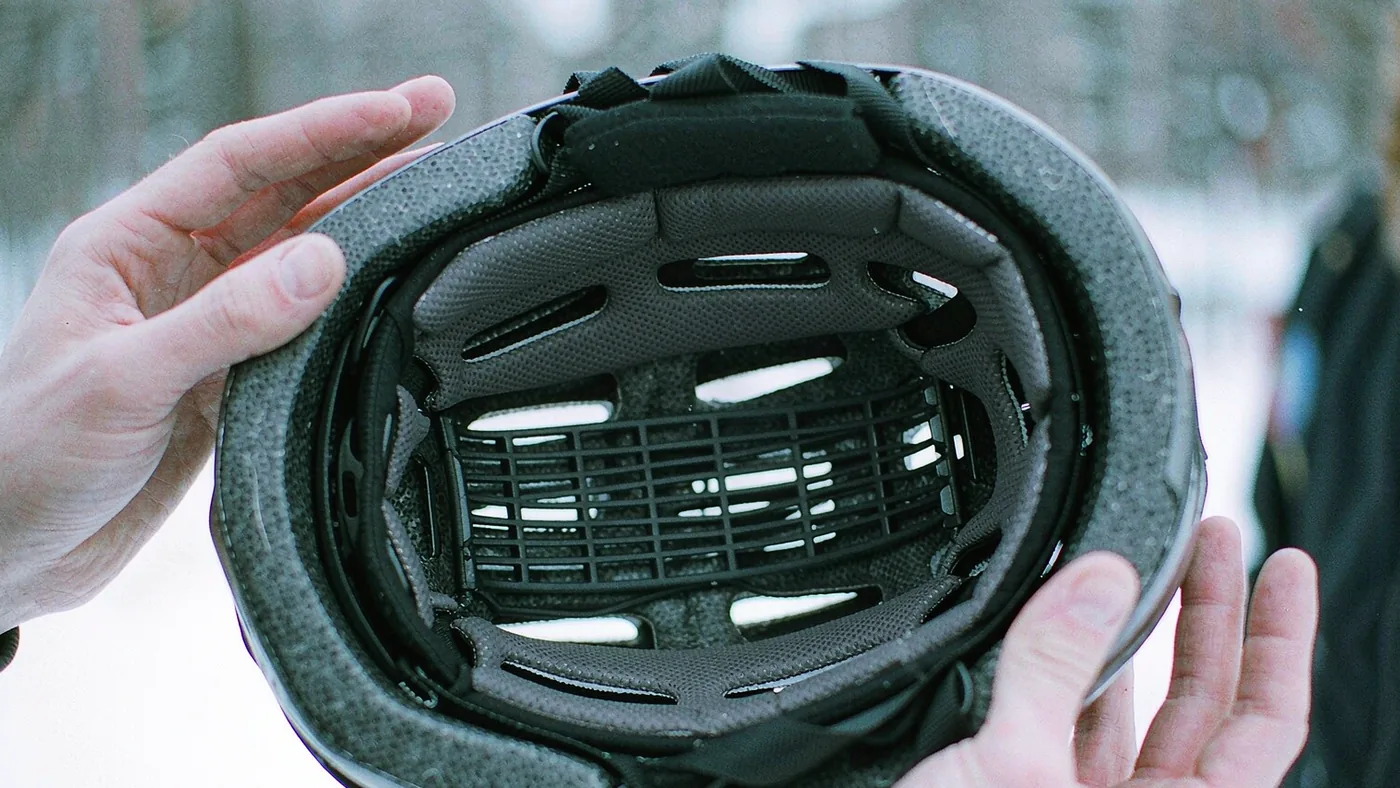
Construction: in-mould or hard shell. In-mould helmets fuse the outer shell to the foam liner during manufacture, which makes them lighter and usually better ventilated. Hard-shell helmets, often ABS plastic over expanded polystyrene, are cheaper, tougher against abrasion and noticeably bulkier. Neither is safer in a straight test.
Rotational protection. MIPS is the best-known system, and several brands build or license alternatives. No rider can feel the difference between them, but you do want one of them on your head.
The picks
A well-priced helmet that includes rotational impact protection. If you have been riding without a helmet, this is the cheapest sensible way to fix that.
Best for
- First helmet purchase
- Resort riders
Worth skipping if
- Riders needing maximum venting
- Backcountry weight weenies
- Protection
- In-mould construction with rotational liner
- Fit
- Adjustable dial
- Venting
- Fixed vents
Strengths
- Good protection at a fair price
- Comfortable adjustable fit
Trade-offs
- Less ventilated than premium models
- Heavier than top-end shells
Specifications reflect published manufacturer information, last checked 2026-09-28. We have not laboratory-tested this product; the assessment above is editorial, based on the published design and the rider profile it targets. How we review gear.
Excellent venting and refined rotational protection. Worth the extra if you overheat in a helmet on warm spring days.
Best for
- Riders who overheat
- Spring riding
Worth skipping if
- Tight budgets
- Riders wanting the lightest possible shell
- Protection
- MIPS rotational protection
- Fit
- 360-degree adjustment
- Venting
- Adjustable venting
Strengths
- Best-in-class venting
- Refined fit system
Trade-offs
- Premium price
- Not the lightest option
Specifications reflect published manufacturer information, last checked 2026-09-28. We have not laboratory-tested this product; the assessment above is editorial, based on the published design and the rider profile it targets. How we review gear.
A clean, low-profile shell at an accessible price. Good if you want a helmet that does not look like a mushroom.
Best for
- Riders wanting a simple, modern look
- First helmet purchase
Worth skipping if
- Riders needing extensive venting
- Protection
- Hard shell with MIPS option
- Fit
- Adjustable dial
- Venting
- Fixed vents
Strengths
- Discreet look
- Affordable
- Comfortable padding
Trade-offs
- Basic venting
- Heavier than in-mould shells
Specifications reflect published manufacturer information, last checked 2026-09-28. We have not laboratory-tested this product; the assessment above is editorial, based on the published design and the rider profile it targets. How we review gear.
How they compare
| Helmet | Rotational protection | Construction | Venting | Fit system | Best suited to | Main trade-off |
|---|---|---|---|---|---|---|
| Smith Mission | Rotational liner included | In-mould construction | Fixed vents | Adjustable dial | A first helmet that does not cut corners | Less ventilated than premium shells, and heavier |
| POC Obex MIPS | MIPS | In-mould, refined liner | Adjustable venting | 360-degree adjustment | Riders who overheat and ride into spring | The most expensive here, and not the lightest |
| Giro Ledge | MIPS available on this model | Hard shell | Fixed vents | Adjustable dial | A discreet, simple shell at an entry price | Basic venting, and heavier than in-mould shells |
Specifications reflect published manufacturer information, last checked 28 September 2026. Venting and comfort descriptions are editorial judgements from published design information; no helmet here has been impact-tested by us.
January and April are different helmets
Venting is the feature that decides whether your helmet gets worn, and it splits the year neatly in two.
In January, at minus ten on a chairlift, fixed vents and a warm liner are exactly what you want, and the removable earpads most helmets ship with are worth keeping in place. A heavily vented helmet with a thin liner will make your ears cold on the ride up and offer nothing in return.
In April, on a soft afternoon at two thousand metres, the same helmet becomes a problem. Riders work hard, overheat, and then take the helmet off, which is the worst possible outcome. If you ride spring conditions, or you simply overheat by lunchtime, adjustable vents you can open and close are worth more than any other feature on the spec sheet.
The practical solution for a rider who rides all season is a helmet with adjustable venting and removable pads rather than two helmets. If your budget only stretches to one, prioritise venting over a marginally lower weight.
The goggle gap is the detail that ruins helmets
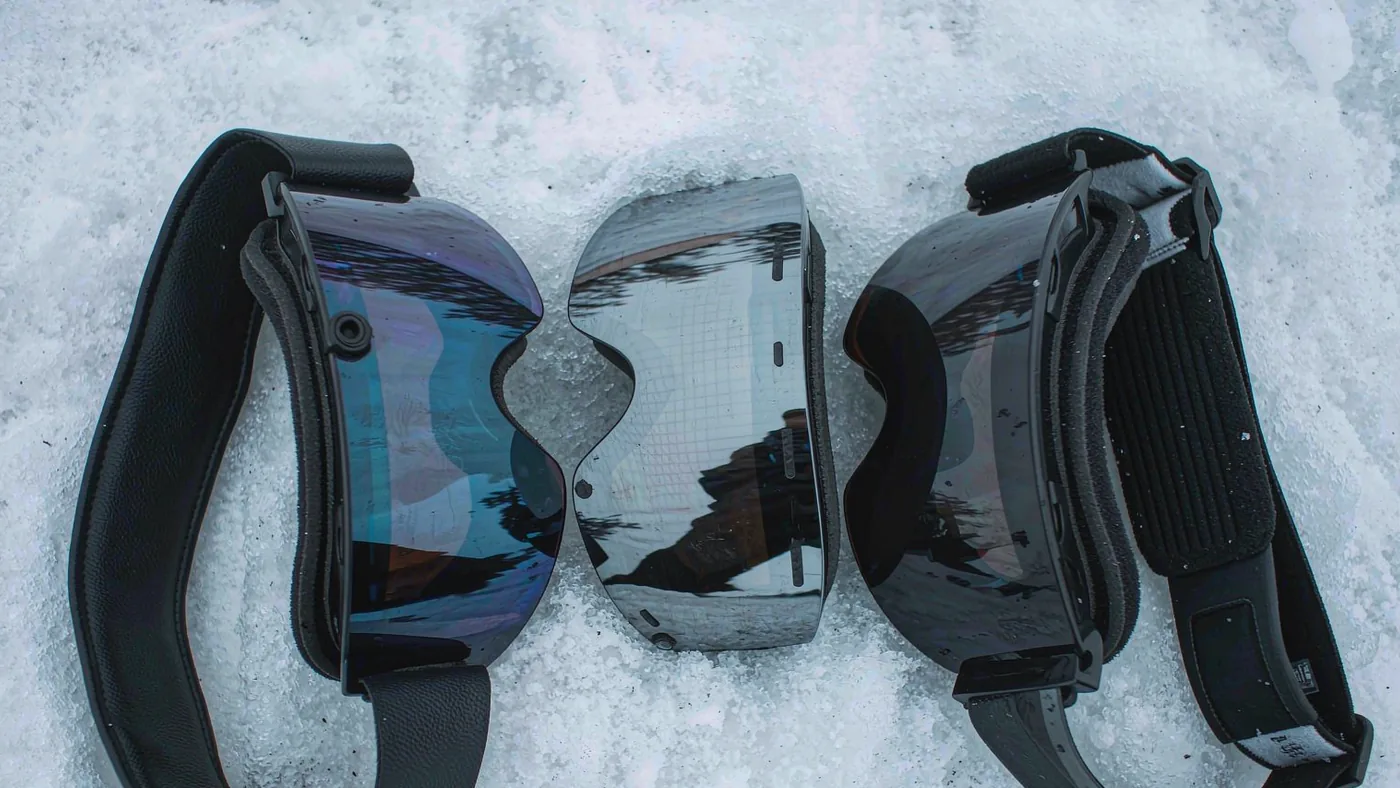
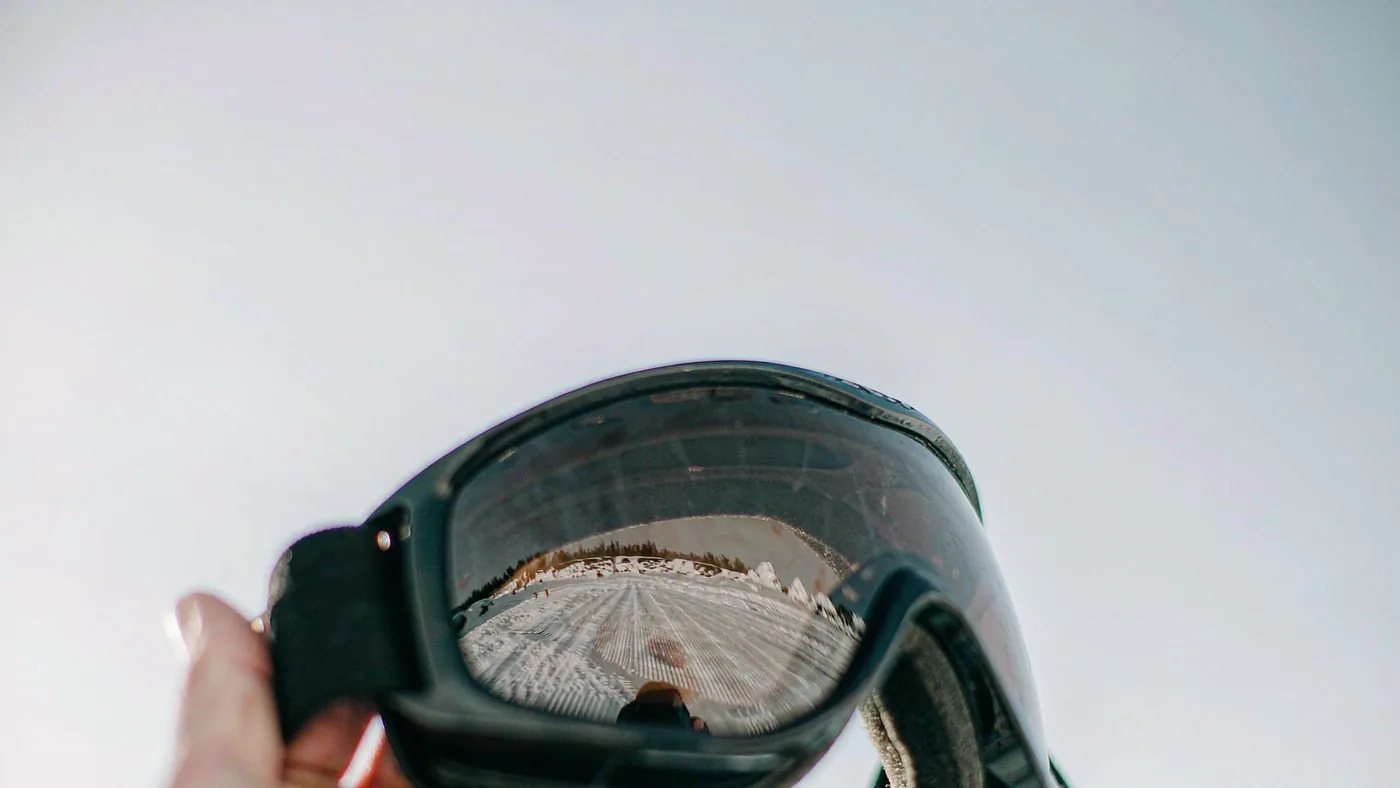
Helmet and goggles are a single system, and the failure mode is specific: if the helmet's brim pushes the goggle frame down onto your nose, the top vents of the goggle are covered, warm moist air cannot escape upward, and the lens fogs within minutes. Riders blame the goggle. The geometry is usually the culprit.
The test is simple. Put the helmet on with your goggles, and look for a small, even gap between the top of the goggle frame and the helmet rim, with the goggle sitting on your face rather than being pressed into it. If the frame is being pushed down, try adjusting the goggle strap higher, or accept that this helmet and this goggle do not suit each other.
Matching brands is a reasonable shortcut, since manufacturers often design their goggles and helmets together, but it is not a guarantee. Taking both pieces into the shop is the only reliable method.
Weight, and what the extra money buys
The step up from an entry helmet buys weight, venting, refinement and materials, not a different standard of protection. A helmet at the accessible end of the range will meet the same certification as one at the top, provided it fits.
Weight is the most honest difference. An in-mould helmet is noticeably lighter than a hard shell, and on a long day that is a real comfort gain, though it is not a safety gain.
Refinement covers magnetic buckles, softer liners, better strap anchors and audio-ready earpads. These make a helmet pleasanter to own rather than safer to wear.
Venting is where money buys the most, and it is why the ventilated option is worth paying for if you ride into spring. A helmet with a removable liner and removable earpads covers January and April with a wash in between.
When to replace a helmet
Replace it after any impact serious enough that you would have been shaken up without it, because the foam liner compresses on impact and cannot compress a second time. That includes a knock against tarmac in a car park, which is a more common cause of a finished helmet than anything on the mountain.
Beyond impacts, replace a helmet when the pads no longer hold it snug, when the dial stops gripping, or when the liner feels loose and crumbly. Some manufacturers run crash replacement schemes, which are worth asking about at the point of purchase. If a helmet is second-hand, remember that an impact-compromised liner looks exactly like an intact one.
Verdict
If you ride one week a year on gentle pistes, a mid-range helmet with rotational protection and fixed vents is all you need, and the premium price buys weight and refinement you will not notice in a fortnight at fifteen hundred metres. Riders who ride into spring, or who overheat by lunch on any warm day, are the ones who get genuine value from the ventilated option. And if you cannot find a premium helmet that fits your head shape, buy the cheaper one that does.
Frequently asked questions
Are expensive helmets safer than cheap ones?
Not in terms of certification — an entry-level snow helmet meets the same EN 1077 or ASTM F2040 standard as a premium one, provided it fits. What the extra money buys is weight, ventilation and refinement. Fit and rotational protection matter more than price.
Is MIPS worth paying for?
It is worth having if the helmet fits you properly, and it is now available at the accessible end of the range, so the cost argument has largely gone. No rider can feel the difference between one rotational system and another. A snug helmet with a rotational system beats a loose one without it.
How do I know if a helmet fits my head shape?
Try at least three brands. A helmet of the correct circumference that presses hard at the front and leaves space at the back is the wrong shape for you. It should sit level, cover the base of the skull, and move with your scalp when you shake your head.
Can I use a bike or skate helmet for snowboarding?
It is a compromise rather than an equivalent. Bike helmets are certified to a different standard and are not tested for the same temperatures or the same kind of impact, and many have far less coverage at the back of the head. A certified snow helmet is not expensive.
Where to go next
The snowboard helmet buying guide goes deeper on rotational systems and liners, and how to stop goggles fogging explains the ventilation problem that a badly matched helmet creates. If you are choosing the goggle to go with it, start with the best snowboard goggles under 200 guide and the goggle lens tints explained primer.
Protection for the rest of the body is covered in the best impact shorts and knee pads guide, and the first season snowboarding article puts the whole kit in order. More of the same sits in outerwear.