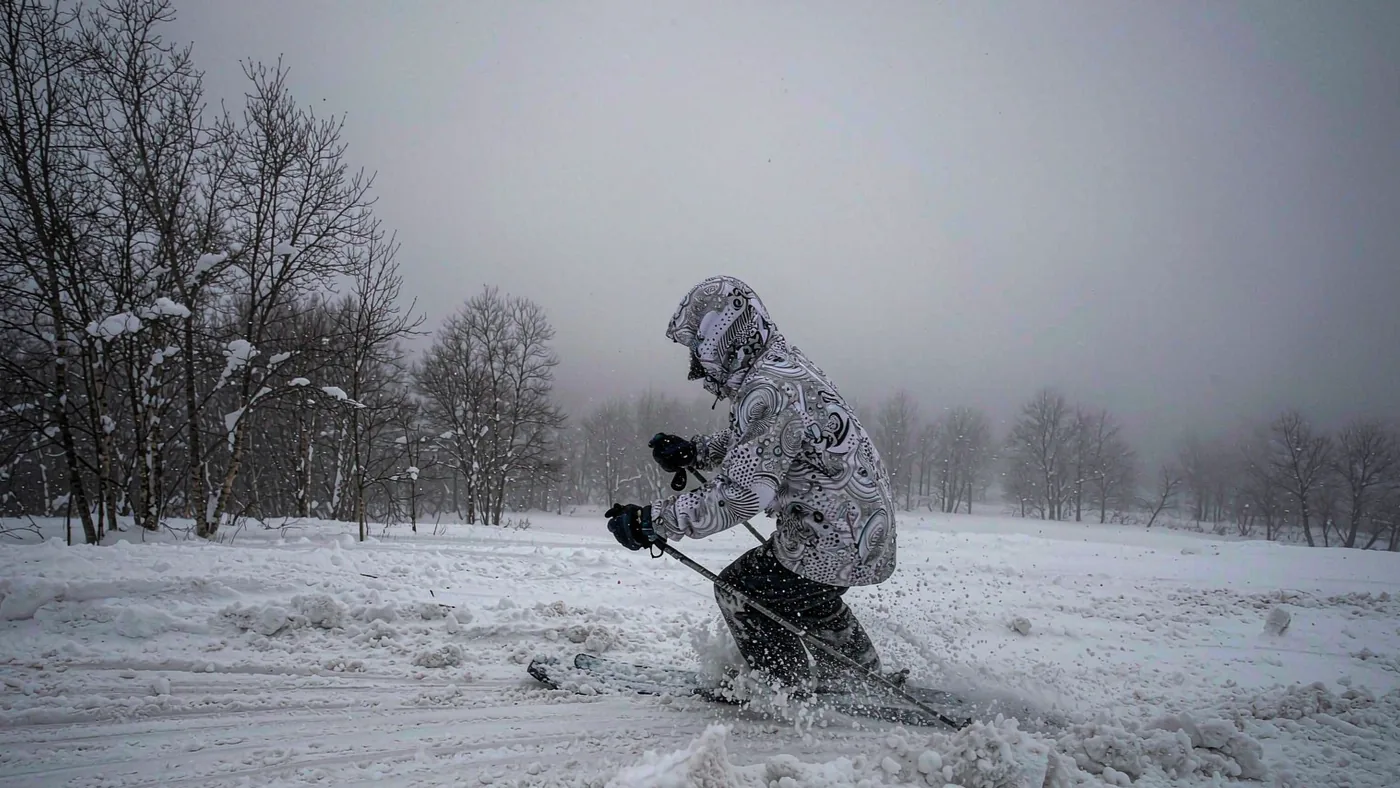
It is the second morning of a learn-to-ride week and you have discovered a new problem: sitting down hurts. Not in a dramatic way, just in the way that makes you hesitate before the next toe-side turn, which is worse, because hesitating is how beginners catch edges. The tailbone took three or four hits yesterday, the hips took a couple more, and learning has become conditional on not falling on that particular spot.
This is where padding earns its place, and also where the marketing starts over-promising. Padding can reduce the sting of a fall, and in a few specific cases it genuinely reduces the chance of an injury. It cannot make you invulnerable, and there is no soft pad in the world that will stop a shoulder or a collarbone breaking.
What padding does and does not do
Soft padding spreads a load. Foam, gel and the non-Newtonian materials used in better impact shorts all work on the same principle: they spread the force of a hit over a larger area and take some of the peak out of it. That is genuinely useful against the bruising, bony impacts that come with learning — the coccyx, the hip, the kneecap.
It does not stop joint injuries. Nothing made of foam will prevent a twisted knee, a sprained wrist or a dislocated shoulder. Those injuries come from the direction and speed of a fall, not from the sharpness of the surface.
Certified padding is a different product from ordinary padding. Some protective padding is certified to a European standard for impact protectors, which specifies what the material must do under a controlled test. Much snowboard padding carries no such claim, which does not make it useless, but it does mean you are buying comfort with an unknown amount of protection attached. The most common reason riders stop wearing pads is that they are uncomfortable under the trousers, not that they stopped falling.
What each piece actually buys you
| Padding | What it protects | How much it really helps | Best for | Honest limit |
|---|---|---|---|---|
| Impact shorts | Tailbone, hips, thighs | Real help against bruising from sitting-down falls | Beginners, park riders learning on rails | Does nothing for a hard, square edge impact |
| Wrist guards | Wrists and the base of the hand | The clearest case of the lot, because wrists break easily | Beginners, anyone on ice | Adds bulk inside a glove, and some transfer load up the arm |
| Knee pads | Kneecaps and shins | Good against knocks and kneeling, some help on impact | Learning toe-side, park riders, anyone kneeling to strap in | Soft pads do little for a twisted knee |
| Back protector | Spine and upper back | Meaningful for high-speed impacts | Freeriding, racing, fast piste riding | Weight and heat, and no help for the common beginner fall |
| Helmet | Skull and brain | The single most valuable piece of the set | Everyone, every day | Does not protect the neck, jaw or face fully |
Protection descriptions are editorial judgements based on published product information and established practice in snow sports, last checked 28 September 2026. Nothing here is an impact-test result, and no padding removes the risk of injury.
Why beginners land on their tailbone, and what to do about it
Learning to snowboard involves falling in two directions, and one of them is backwards. The instinct when the board starts to slide out on a toe-side turn is to sit back, throw the hands out and let the bottom take the landing. That instinct is what produces the bruises, the sore coccyx and, occasionally, the wrist injury.
The technique fix is to fall up the hill rather than down it: keep the hands in close, go onto the forearms and knees rather than the wrists and tailbone, and let the shoulder and back take a slide rather than a stop. That is easier to describe than to do, which is why the padding helps: it buys you the confidence to try the turn again. Impact shorts are worth their place here even though they are not certified, because the alternative on a learn-to-ride week is a growing reluctance to put weight on the toe edge.
Wrist guards, specifically
The reason wrist guards are the strongest case in this list is mechanical. When you fall forward, the natural reaction is to put a hand out, and the whole of your body weight arrives at a wrist that is bending backwards. A splint that limits how far the wrist can extend spreads that load along the forearm instead of concentrating it at the base of the hand.
There are two styles. Guards that go inside the glove are neater and are the ones most adult riders prefer. Guards that go outside the glove are easier to put on and off, but they snag on things and they change how the glove feels on a binding ratchet. Whichever you choose, check that your glove still fits without pinching, because a pinched hand is a cold hand by eleven o'clock.
Sizing and layering under snowboard pants
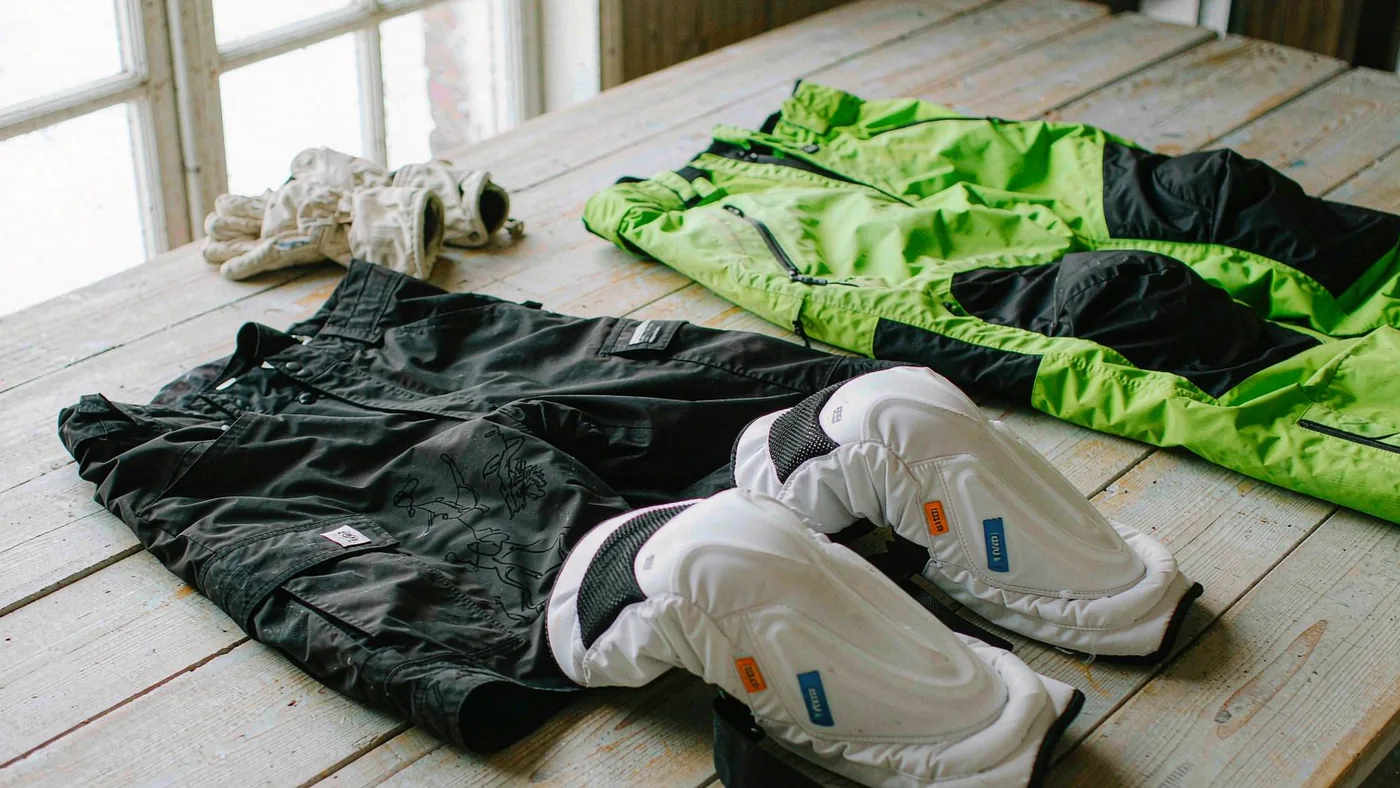
Pads go under the trousers, over a base layer. That means the trousers you already own may no longer fit over your hips, and it is worth trying your whole setup on before you commit to a pad. If you are buying trousers and pads in the same season, buy the trousers one size up or in a loose cut.
Hard-shell knee pads are the exception. Park riders often wear them over the trousers, which makes them easier to put on at the top of the lift and keeps the shell from grinding against the fabric. For learning, a soft pad inside the trousers is more comfortable and less likely to catch on a binding.
Wrist guards have their own sizing problem. An inner glove guard adds volume inside the glove, so if you are between glove sizes, take the larger one. An outer guard sits over the glove and needs the cuff to be long enough that the guard does not push the sleeve up your forearm.
When padding is not the answer
Padding is not a substitute for judgement, and the riders who get hurt most are usually those who have decided their protection has made them safe. A back protector will not help you read a wind-loaded slope, and no pad will keep your collarbone intact when you catch an edge on a flat landing.
Where padding genuinely helps is at the margins: the bruise that would have ended your week, the wrist that would have been in plaster, the confidence to try a turn one more time. That is a good return for something that costs about as much as a mid-range base layer, and it is no substitute for knowing your limits.
Verdict
If you are an experienced piste rider who falls rarely and rides gently, a back protector and elbow pads are weight and heat you will resent, and the money is better spent on a helmet that fits. Even beginners should not buy the whole catalogue at once. Start with wrist guards and impact shorts, then add what the week tells you you need.
Frequently asked questions
Do impact shorts actually prevent injury?
They reduce bruising and take the sting out of the sitting-down falls that beginners take repeatedly, and that is a real benefit. They are not certified protectors and cannot prevent a fracture or a joint injury. Think of them as making falls less discouraging rather than as making you safe.
Are wrist guards worth wearing snowboarding?
Yes, particularly when you are learning. Wrists are commonly injured in forward falls because riders put a hand out, and a guard that limits how far the wrist bends backwards spreads that load along the forearm. Check that your glove still fits comfortably over or under the guard.
How should impact shorts fit?
Snug, with the padding over the tailbone and the hips rather than riding up, and close enough to the body that it does not shift when you crouch. They go under your snowboard pants over a base layer, so allow for the extra volume when you choose a trouser size.
Do I need knee pads for snowboarding?
They help if you are learning toe-side turns, if you kneel down to strap in, or if you spend time in the park. Soft pads under the trousers are comfortable for learning; hard-shell pads worn over the trousers are the usual park choice.
When should I replace pads?
Replace impact padding once the foam has flattened and stays compressed, or after a very hard hit, because the material works once rather than repeatedly. Wash removable padding as the maker instructs and air it thoroughly, since a compressed, damp pad is both less protective and less pleasant.
Where to go next
The helmet is the one piece of protection that changes outcomes most, and the best snowboard helmets round-up explains rotational protection and fit. If you ride park or rails, the best snowboards for park beginners guide covers the other half of the equation, and the first season snowboarding guide sets out how to plan a learning week.
The best snowboard gloves and mitts review covers what your hands need under a wrist guard, and the best snowboard pants and bibs buying guide explains how to fit anything underneath them. More outerwear advice sits in outerwear.