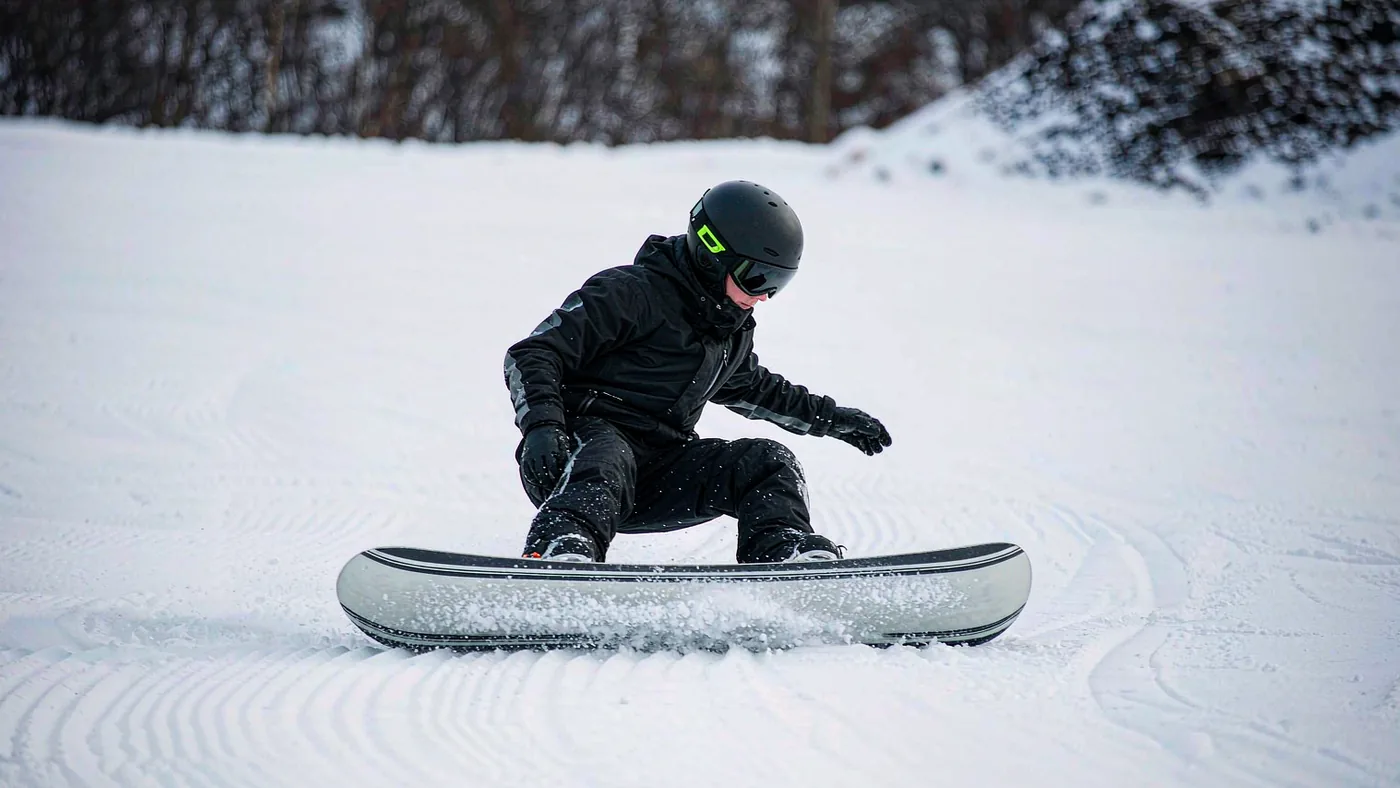
The conversation usually starts the same way. A rider has spent two seasons on a directional all-mountain board, they have started riding switch on the way back to the lift, they have spent a few days in the park, and they have decided the next board should be a true twin. Then they get on one and discover the thing nobody told them: a symmetric board with a centred stance gives up grip. The tail is the same shape as the nose, the contact points are the same at both ends, and on a firm piste it feels less locked in than the directional deck they just left.
That trade-off is what the Jones Mountain Twin is designed around. It is a true twin — same shape front and back, centred stance — but it is built to hold an edge and to cope with chopped-up snow in a way that most twins do not. It does that with a hybrid camber profile and a medium flex, and it does it well enough that the usual argument for going directional gets noticeably weaker.
It is not a free lunch, and the two things it costs you are worth being clear about before you spend. It is priced above comparable twins, and it is genuinely not a powder board.
Specifications
| Specification | Detail |
|---|---|
| Profile | Hybrid camber — camber between the feet, rocker in the tips |
| Shape | True twin with a centred stance |
| Flex bias | Medium |
| Intended terrain | All-mountain freestyle |
| Construction | Eco-credentialed build with no stated performance penalty |
| Best suited to | Riders who want switch riding without giving up grip |
Published specifications, last checked 28 September 2026. Confirm current specification and sizing on the brand's own product pages before buying.
What the design does well
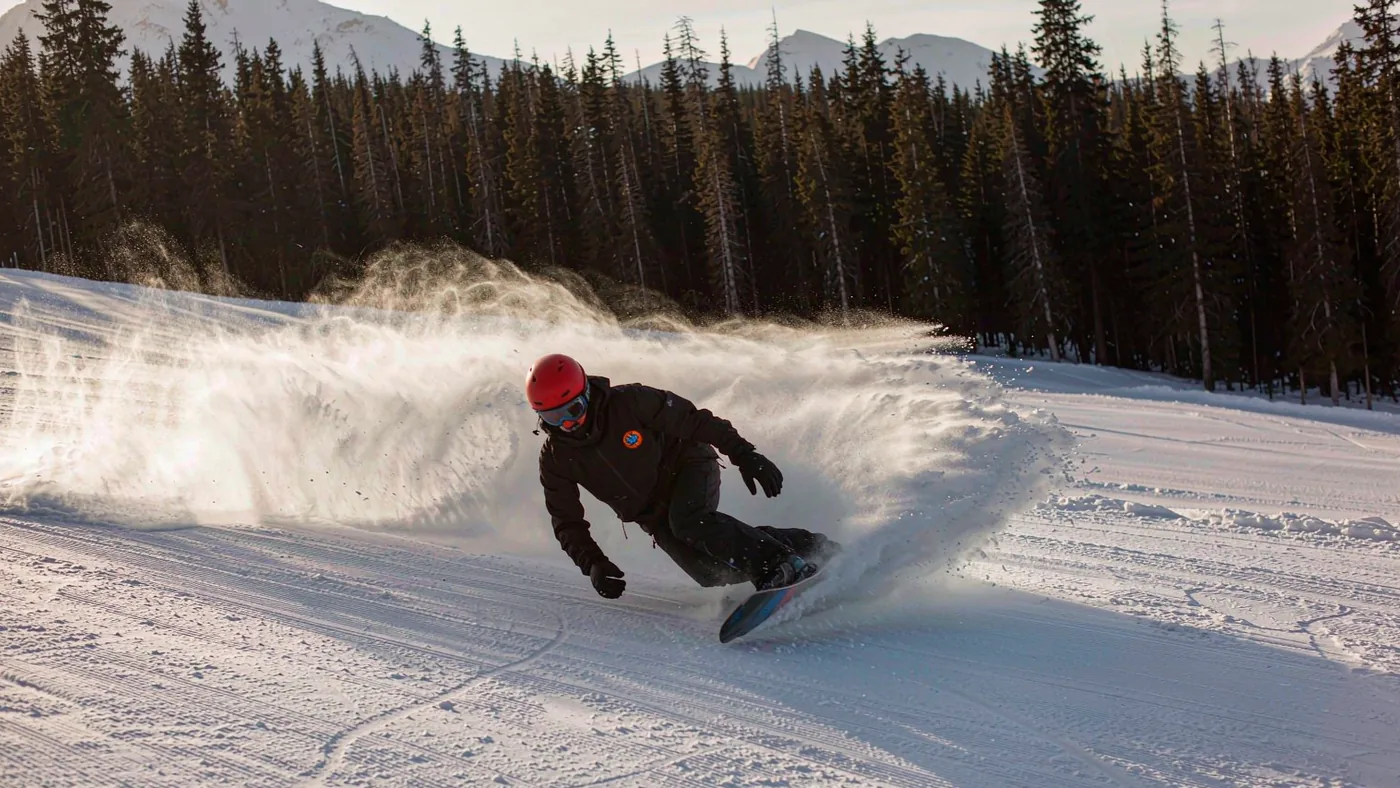
Edge hold that a twin normally does not have. This is the headline. Camber between the feet presses the contact points into firm snow along the working length of the edge, and the effective edge runs nearly the full length of a symmetric board. On a scraped morning piste, the Mountain Twin grips closer to a directional all-mountain deck than to the soft park twin it is often compared with.
Composure in chopped snow. The stiffness profile is medium, which is firmer than the flex number alone would suggest when the board is loaded up. That means it tracks through chunder and afternoon slop rather than getting knocked around by it, which is the usual weakness of a freestyle-leaning twin.
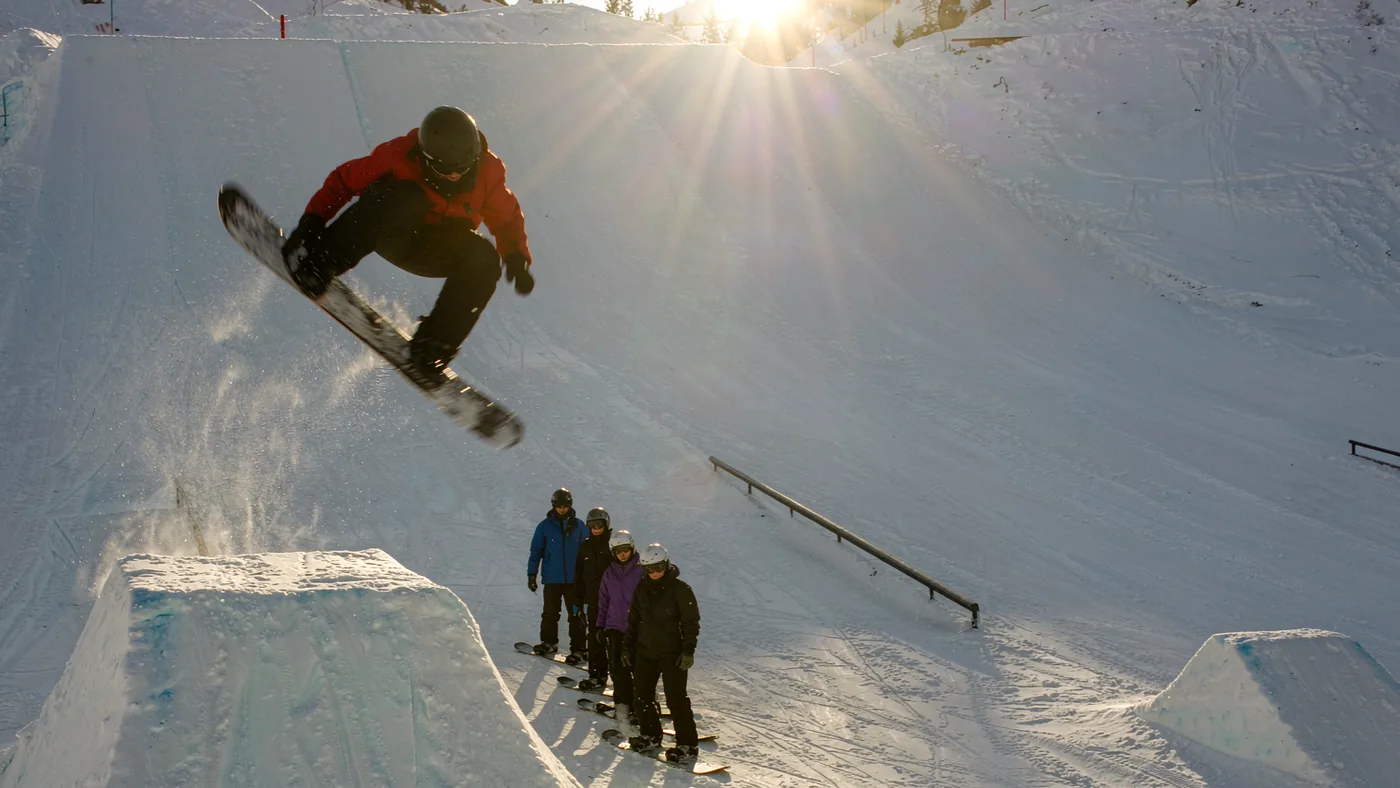
A park-friendly side that is not a compromise. It is happy on side hits, comfortable in the air and pressable enough to butter, which is more than can be said for most boards with this level of grip. If you ride piste and park in the same lap, this is the whole point.
Symmetry that actually pays off. A centred stance and an identical nose and tail mean the board rides the same in both directions. Landings switch feel natural, and riding back down the lift line the wrong way round is not a punishment.
Construction without a tax. The board carries meaningful environmental credentials in its build, and unlike some early attempts at that, there is no stated performance penalty attached.
Trade-offs you should know about
It gives up directional float. Because the nose and tail are identical, there is no taper and no set-back to help the front of the board stay up. In deep snow you have to work for float and keep your speed, and a directional or tapered shape will do noticeably better on a genuinely deep day. It is fine in powder. It is not built for it.
It is not a soft, surfy deck. If what you want from a freestyle board is a loose, playful feel that presses with no effort and skates around at low speed, this is firmer than that. Riders who prize that surfy sensation should look at a medium-soft flat-to-rocker twin instead.
The price is a real consideration. It sits noticeably above comparable twins. Part of that is construction, part of it is the brand. If you never ride switch and you do not care about park, you are paying for a symmetry you will not use.
The eco story is not a reason on its own. It is a good thing, but it should be the tiebreaker between two boards you already want, not the reason you chose this one.
How it sits next to the obvious alternatives
Two comparisons come up constantly, and it is worth getting them straight.
Against a Burton Custom Camber — a directional twin with traditional camber and a medium-stiff flex — the Custom is the more piste-focused board. It holds an edge just as convincingly and it is more predictable under pressure, but it is less playful, less comfortable in the park and less willing to be ridden backwards all day. If your week is mostly groomers, the Custom is the better tool.
Against a CAPiTA Mercury — a directional twin with a hybrid profile and a medium flex — the Mercury is the more versatile generalist and the easier board to ride. It gives up the Mountain Twin's edge hold and its true-twin symmetry, and it gains float and forgiveness at the softer end of the snow.
Neither comparison is a reason to avoid the Mountain Twin. Both are reasons to be honest about which of the three you actually are.
Who it is not for
It is not for riders chasing deep snow. There is no taper and no set-back here, so a deep day is work. If powder is the point of your season, buy a tapered directional or volume-shifted board and accept a worse time on the piste.
It is not for riders who want a soft, surfy feel. Medium is the honest description of this flex, and it is aimed at holding an edge rather than at playfulness at low speed.
It is not for anyone who never rides switch. If your stance is set forward and you have not ridden backwards since your first season, a directional board will give you more for less money.
It is not for beginners. A rider still learning to control an edge consistently will find a medium-flex cambered twin harder to manage than a soft beginner deck, and there is nothing here that compensates for that.
It is not for anyone on a tight budget. The money saved by choosing a cheaper twin is better spent on boots that fit — which will change your riding more than the difference between this deck and the one below it.
A twin that still holds an edge. Better than most twins in crud, and happier in the park than most all-mountain boards.
Best for
- Riders who want switch riding without giving up grip
- Resort riders who mix piste and park in one lap
Worth skipping if
- Deep-day powder hunting
- Riders who want a soft, jib-friendly feel
- Profile
- Hybrid camber
- Shape
- True twin
- Flex bias
- Medium
- Intended terrain
- All-mountain freestyle
Strengths
- Strong grip for a twin
- Handles chunder better than the flex suggests
- Solid eco-credentials with no performance penalty
Trade-offs
- Overkill if you never ride switch
- Notably more expensive than comparable twins
Specifications reflect published manufacturer information, last checked 2026-09-28. We have not laboratory-tested this product; the assessment above is editorial, based on the published design and the rider profile it targets. How we review gear.
Verdict
The Mountain Twin is the best answer in the category for a resort rider who spends the morning carving and the afternoon in the park, and it earns its price if you use both halves of it. But if your stance is set forward and your dream days are deep ones, this is the wrong board at the wrong price — a directional all-mountain deck like the Burton Custom Camber will grip just as well, float better and cost less. Buy it for the symmetry, not despite it.
Frequently asked questions
How much edge grip do you lose with a true twin?
Usually a noticeable amount, because a symmetric board has no taper or set-back to help the rear of the edge load up. The Mountain Twin narrows that gap considerably with camber between the feet and a medium flex, getting close to a directional all-mountain deck on firm snow — closer than most twins manage.
Is the Jones Mountain Twin good in powder?
It handles powder without drama if you keep your speed up, but it has no taper and no set-back, so it does not float like a directional shape. On a genuinely deep day you will work harder than a rider on a tapered or volume-shifted board. Treat soft snow as a strength and deep snow as a compromise.
What length Mountain Twin should I buy?
Start with the manufacturer's recommended weight range rather than a rule based on height, and for a true twin it is worth staying in the middle of the band rather than the top, because the flex has to work for you in both directions. If your boots are UK size 11 or larger, look at the wider options in the run.
Can you learn on the Jones Mountain Twin?
It is not a beginner board. A medium flex with camber under the feet is less forgiving of a mistimed weight shift than a soft beginner deck, and the symmetry does not help while you are still learning to control an edge. Learn on something softer and come back to this category later.
Is the eco construction worth paying extra for?
It is a genuine positive and it is not a performance compromise, but it is not a reason to choose a board on its own. Compare it against the CAPiTA Mercury and the Burton Custom Camber on grip, flex and price first, then let the construction tip the decision if the boards are otherwise level.
Where to go next
If you are still deciding whether symmetry is worth it, the true twin vs directional comparison sets out exactly what each shape costs, and the best twin tip snowboards round-up covers the alternatives side by side.
For the piste half of the decision, the Burton Custom Camber review and the CAPiTA Mercury review are the two most useful comparisons, and the best all-mountain snowboards round-up puts them all in one place. More in the boards archive.