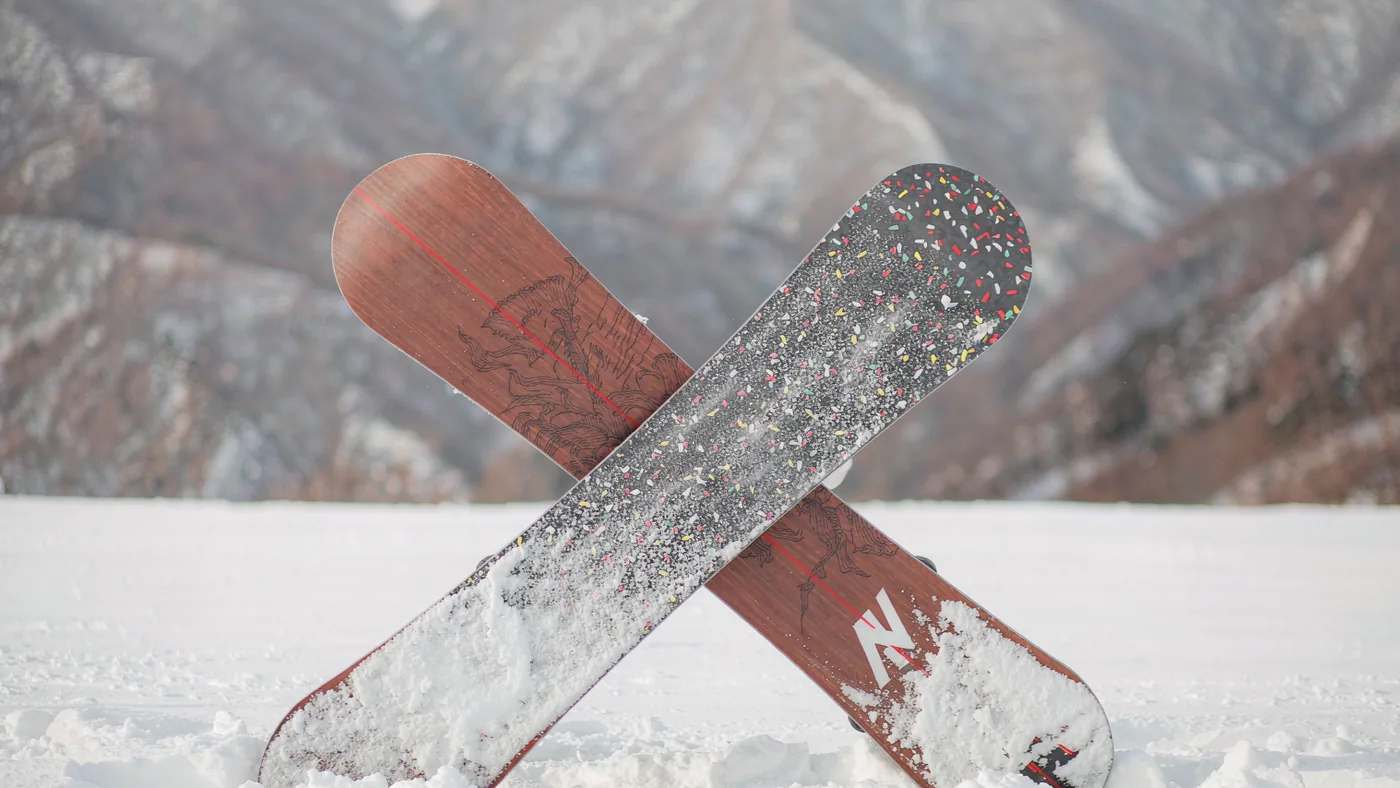
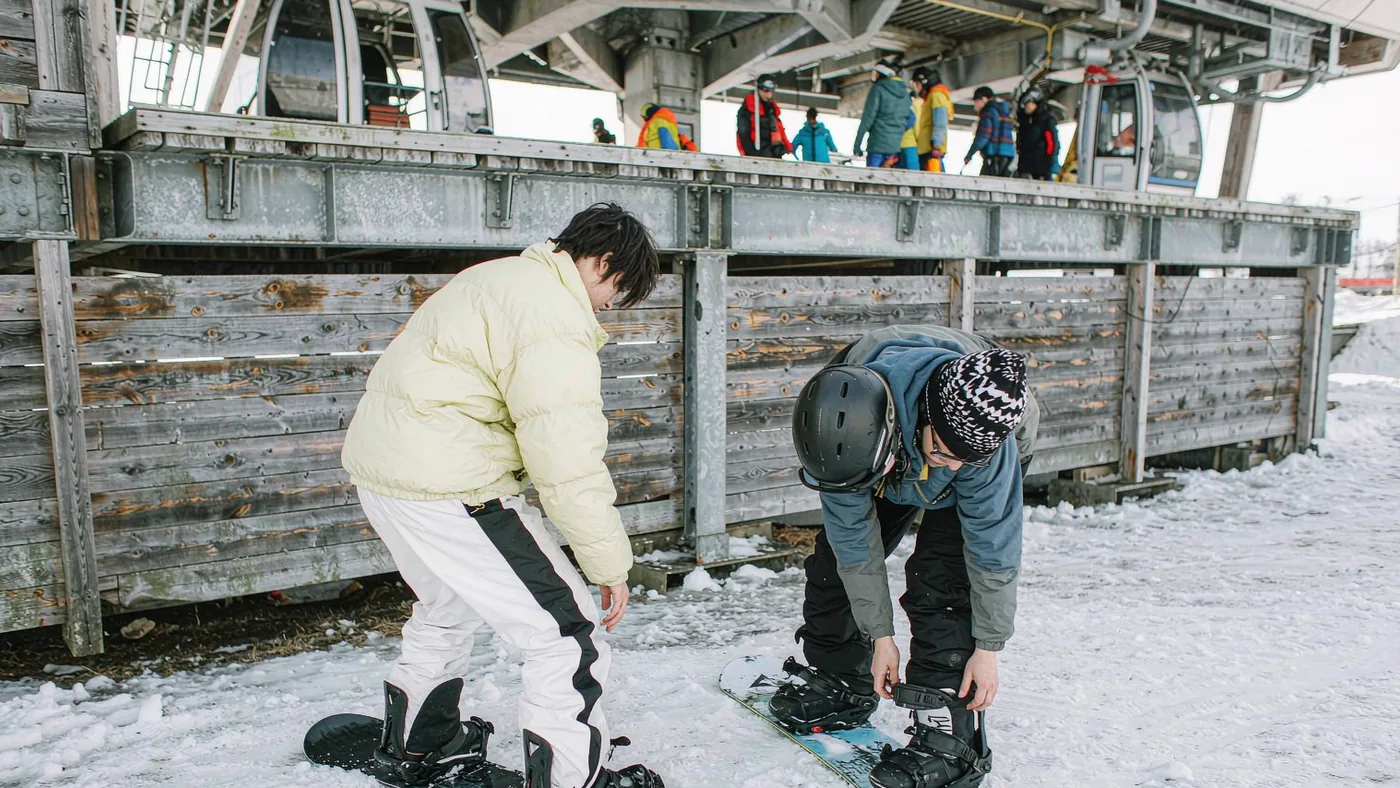
Two riders come off the same chair at the top of a blue run in Serre Chevalier. One steps down onto the ramp, presses her boot into the binding, hears it engage and glides away. The other sits down in the wet snow, clears the ice out of two ratchets with a gloved hand, pulls the ankle strap, pulls the toe strap, stands up, straightens her jacket and follows. The difference in elapsed time is perhaps a minute. The difference in how the day feels is considerably more.
That scene is the strongest argument for step-on systems and the point where the honest comparison has to start, because a minute per run is not the same as a minute per day, and neither is the same as a decision you live with for five seasons. The position here is unglamorous: step-ons solve a real problem for a specific rider — someone strapping in and out many times a day, or who finds sitting down and standing up genuinely painful — and they cost flexibility for everyone else. If your feet have ever rejected a boot brand, a strap binding is the safer purchase, and not a compromise you will feel on snow.
What actually differs
The mechanism. A strap binding clamps the boot to the baseplate across two straps, and how well it works depends on how you position and tension them. A step-on system engages the boot directly at defined points, usually heel and toe, and you press down until it clicks. There is no adjustment to get wrong.
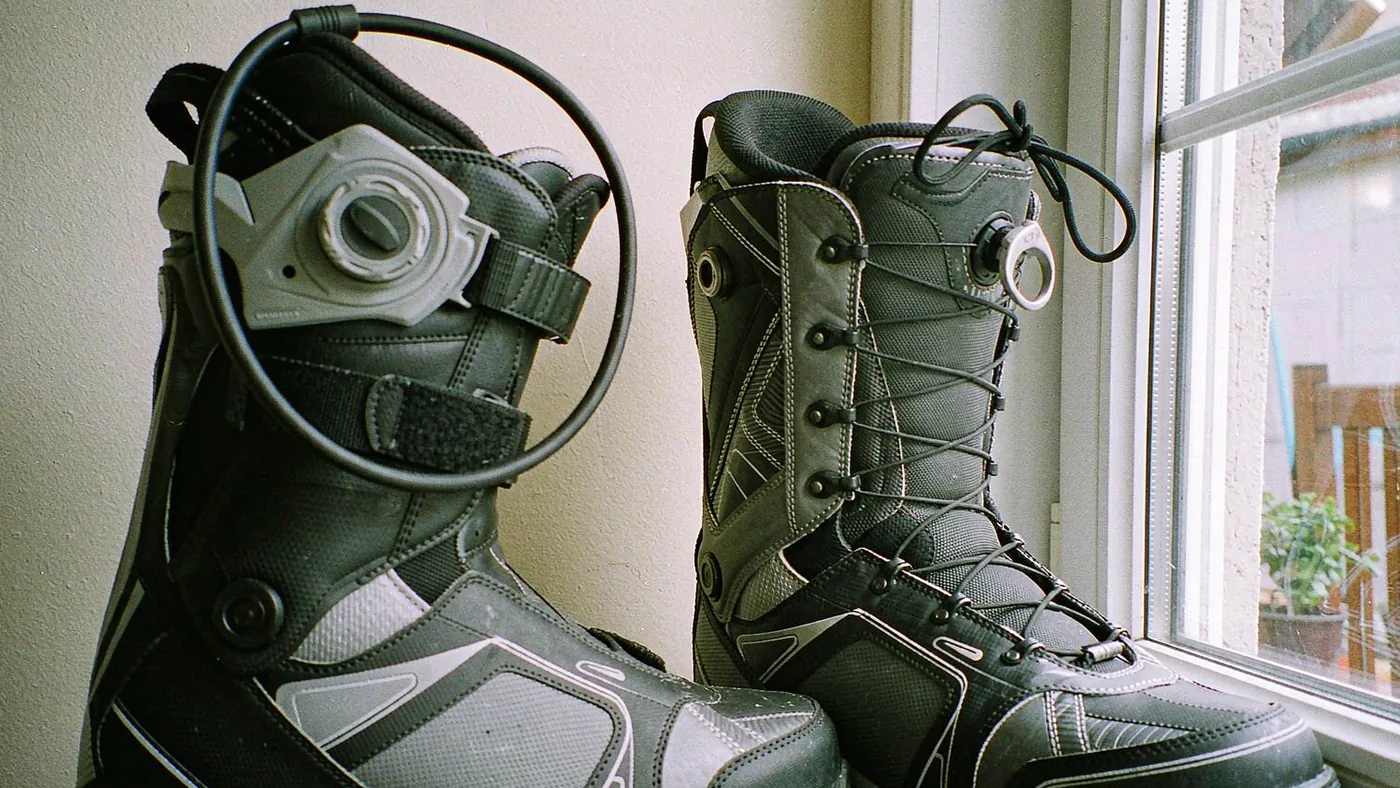
The boot lock-in. The true cost of a step-on setup. These bindings require boots built with matching connection points, so your boot is limited to a subset of one manufacturer's range or its licensed partners. A strap binding accepts almost any boot on the market, which lets you prioritise fit above everything else.
What sits between boot and board. A step-on interface puts a mechanism under your heel and toe rather than a strap across the boot. Riders describe the feel as slightly less damped and more direct, with more feedback on chattered snow. Whether that reads as precision or harshness depends on your weight and your board.
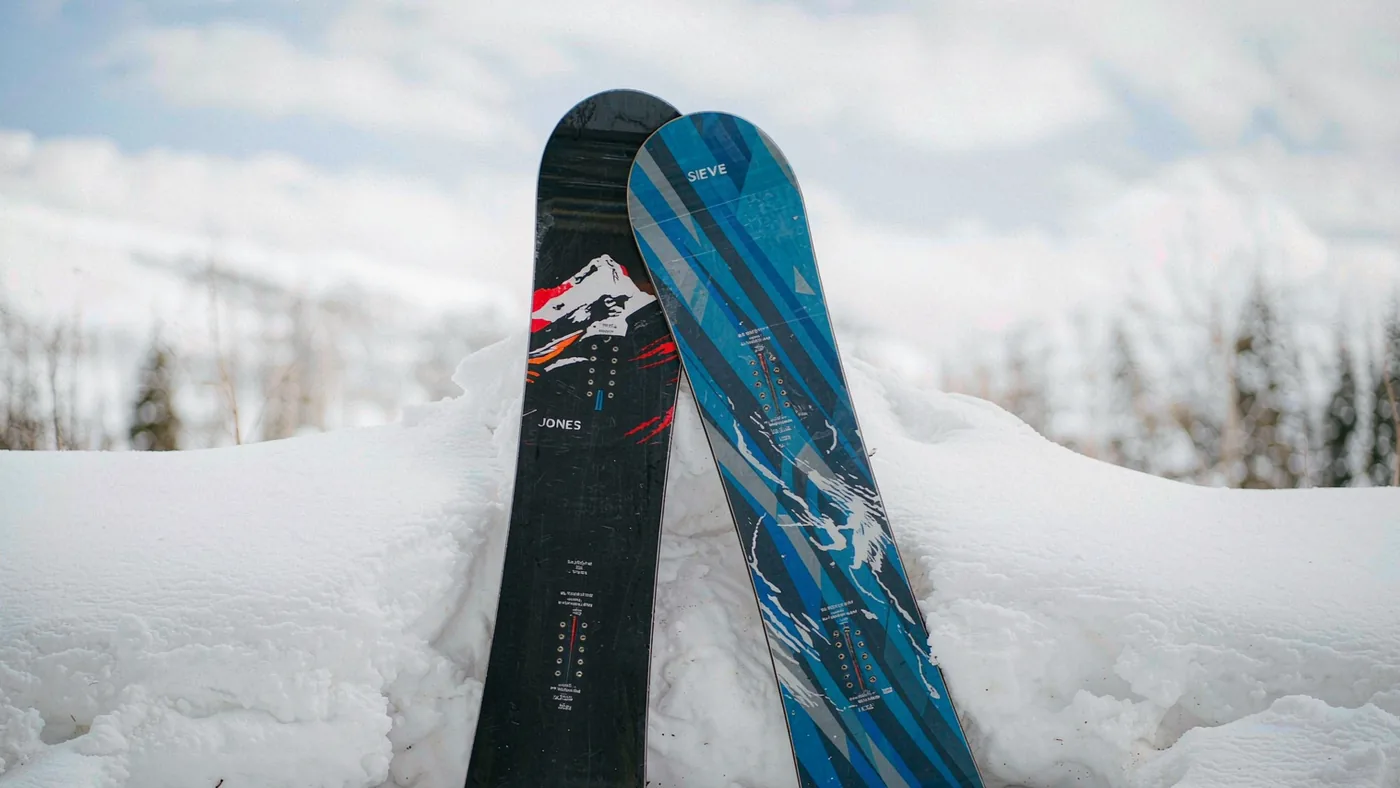
Mounting. Strap bindings use a universal disc that fits most board insert patterns, so they transfer between boards in a couple of minutes. Step-on systems mount the same way, but they only work with their own boots, which makes sharing one pair of bindings between two boards a far more expensive idea.
The picks
If bending down to strap in is the part of snowboarding you dislike most, this solves it properly. The cost is that boots and bindings must be bought as a matched pair.
Best for
- Riders who strap in and out many times a day
- Anyone with back or hip problems
Worth skipping if
- Riders wanting to mix and match boots freely
- Anyone on the tightest possible budget
- Flex bias
- Medium-stiff
- Intended terrain
- All-mountain
- Compatibility
- Requires step-on compatible boots
Strengths
- Genuinely fast in and out, every run
- Feels secure once you trust it
- Great on and off the lift
Trade-offs
- Locks you into one brand's boot ecosystem
- Snow packing in the mechanism needs clearing
Specifications reflect published manufacturer information, last checked 2026-09-28. We have not laboratory-tested this product; the assessment above is editorial, based on the published design and the rider profile it targets. How we review gear.
The main credible alternative in the step-in category. It reduces the days lost to fumbling with straps without tying you to one boot brand.
Best for
- Riders who hate strapping in
- Zipper and access lifts
Worth skipping if
- Riders wanting the simplest possible setup
- Budget builds
- Flex bias
- Medium
- Intended terrain
- All-mountain
- Compatibility
- Requires step-in compatible boots
Strengths
- Fast in and out
- Broad boot compatibility relative to rivals
Trade-offs
- Mechanism needs clearing of snow
- Fewer boot options than strap bindings
Specifications reflect published manufacturer information, last checked 2026-09-28. We have not laboratory-tested this product; the assessment above is editorial, based on the published design and the rider profile it targets. How we review gear.
The default answer when someone asks which all-mountain binding to buy. Strong, simple, and it stays stiff enough to drive a proper board.
Best for
- All-mountain riders doing piste, park and travel
- Riders who want a binding to last several seasons
Worth skipping if
- Riders wanting an ultralight touring setup
- Anyone after a flexy, surfy feel
- Flex bias
- Medium
- Intended terrain
- All-mountain
- Mounting
- Universal disc, most board inserts
Strengths
- Reliable, long-lived and easy to service
- Firm enough for aggressive piste riding
- Straps work well with bulky boots
Trade-offs
- Heavier than premium carbon options
- Not the most playful binding in the park
Specifications reflect published manufacturer information, last checked 2026-09-28. We have not laboratory-tested this product; the assessment above is editorial, based on the published design and the rider profile it targets. How we review gear.
How they compare
| System | Flex bias | Boot freedom | Mounting | On and off in snow | Serviceability | Who it suits |
|---|---|---|---|---|---|---|
| Burton Step On | Medium-stiff | Compatible boots only, one brand's ecosystem | Universal disc, plus the boot requirement | Fast, with a knock to clear ice | Shop or warranty for the mechanism | Riders strapping in a dozen times a day, or with back or hip trouble |
| Nitro Phantom Step-In | Medium | Broader step-in boot compatibility than rivals, still limited | Universal disc, plus the boot requirement | Fast, with the same clearing routine | Shop for the mechanism | Riders who want step-in speed without one brand's boot line |
| Union Force | Medium | Almost any boot on the market | Universal disc, most board inserts | Slower, and you sit down to do it | Full, at home, with standard parts | Riders who want one binding for several seasons and several boards |
Published specifications, last checked 28 September 2026. Time on and off and how each interface feels are editorial judgements based on how the systems are built, not timed measurements.
Where the time actually goes
Per run, the saving is modest. Once you have a routine, straps take a short while to close: clear the ice, pull two straps. A step-on takes a moment. On a single run the difference is not worth arguing about.
Per day, it compounds. Ride fifteen lifts and you have done it fifteen times. Add the transitions where you unstrap to skate a flat section, and the difference is real. It is the kind of saving you notice at four in the afternoon when your legs are tired and your gloves are wet.
Sitting down is the bigger cost. Strapping in means sitting on cold, wet snow and standing up with a board on both feet. For a rider with knee or hip problems, that is the part that hurts the argument for straps. Step-ons remove it entirely, which is a physical benefit rather than a convenience.
In powder, the gap narrows. Deep snow means more falls and more sitting down, and snow packed into the mechanism has to be knocked clear before you step back in.
Serviceability, resale and the five-season question
Repair. A strap binding is a collection of parts you can see and replace: straps, ladders, ratchets, baseplate, screws. A worn ladder or stretched strap is a cheap fix at home, and the rest of the binding keeps working. A step-on mechanism has fewer visible parts and more precision inside it, which generally means a warranty conversation rather than a repair.
Parts availability. Strap binding spares are widely stocked because the designs change slowly. Step-on systems change faster, so if a manufacturer alters a mechanism between seasons, a spare for a four-year-old binding becomes harder to find.
Resale. Strap bindings sell second-hand easily because any buyer with any boot can use them. Step-on bindings sell to a narrower audience: someone who already owns, or will buy, the compatible boots. Expect a thinner market and a smaller return.
Fit, the variable nobody checks
Step-on systems do not create fit problems, but they remove your escape route from them. If your feet are wide or narrow enough that only one or two boot models genuinely fit, and neither comes in a step-on-compatible version, the whole category is closed. That is the reason we send most buyers towards straps. Check boot compatibility before you fall in love with a binding.
What the two systems cost you underfoot
A step-on interface puts more material under the boot, engages at defined points and feels slightly more direct and less damped. On hard, chattered pistes some riders love the immediacy and some find it buzzy. Straps spread load across the top of the boot, which damps vibration and lets the boot flex underneath, and that is why a medium-flex binding feels softer than its numbers suggest. Neither is a park or touring choice: step-ons are all-mountain tools, while strap bindings also cover the light, flexy end that step-ons do not currently occupy.
Verdict
If your feet only tolerate one boot model, if you ride one trip a year and keep your setup for years, or if you like swapping bindings between two boards, do not buy a step-on system — the boot restriction costs more than the seconds it saves, and the resale is thinner if you change your mind. Buy the Nitro Phantom rather than the Burton if you want step-in convenience but not one brand's boot line, and buy a strap binding if you want the same pair for a decade.
Frequently asked questions
Are step-on bindings as secure as straps?
Yes. They are established products designed to hold under normal riding loads, and the connection is engineered rather than improvised. The feeling differs because engagement happens at points rather than across a strap, and most riders take a run or two to trust it. That is a confidence adjustment, not a safety compromise.
Can I use step-on bindings with the boots I already own?
Only if those boots have the matching connection points. Most do not. That means the real comparison is bindings plus boots against bindings alone, and for a rider who already likes their boots, the strap option wins on arithmetic every time.
Do step-ons work in powder?
They work, but the advantage shrinks. Deep snow means more falls and more time sitting down, and snow packed into the mechanism has to be cleared before you can step in. On a firm groomed morning the saving is at its largest; on a powder day it is at its smallest.
Why keep step-ons if you ride a lot of flat terrain?
Because unstrapping and restrapping to skate or walk a section is the most annoying part of flat terrain, and step-ons turn that into a single press. Riders who traverse a lot, or ride with skiers on cat tracks, get more out of the system than the lift-ramp argument alone suggests.
Which strap binding is the sensible default?
A medium-flex all-mountain binding with a universal disc, metal parts where it matters and widely available spares. That combination mounts on most boards, accepts almost any boot, survives several seasons and can be repaired at home. It is not exciting, and it is why most riders should start there.
Where to go next
For the single-product view, our review of the Nitro Phantom covers the mechanism in detail and the Union Force review covers the strap alternative. Riders weighing up the whole ecosystem should also read are step-on bindings worth it.
Before you order anything, get the size right with how to choose bindings that fit your board, and read binding flex explained to match the binding to your board.